Well Shocking in Southeastern Pennsylvania: Why Shock Chlorination Isn't a Permanent Fix
June 17, 2026
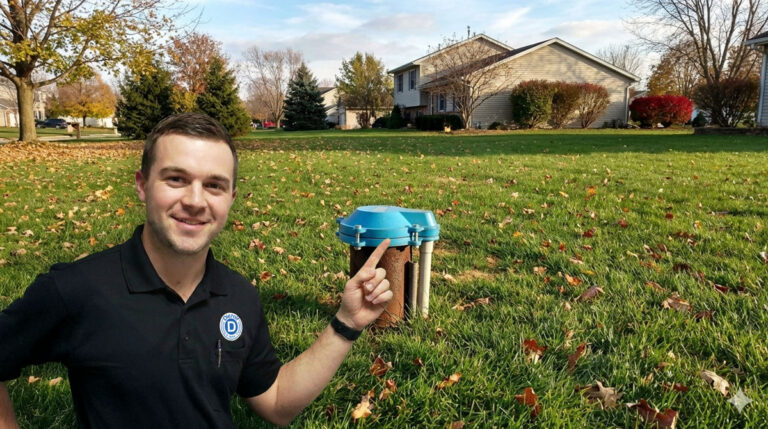
Well shocking, also called shock chlorination, kills the bacteria present in a well at the...

Yes, we specialize in well systems and provide comprehensive services, including well pump installation and repair, well tank replacement, and water quality treatment. Our licensed master plumbers have extensive experience working with private wells, ensuring optimal water flow and quality for your home. If you’re experiencing low water pressure, discolored water, or need routine maintenance, Dierolf Plumbing and Water Treatment is here to help. We’ve served thousands of satisfied homeowners across Pennsylvania with expert well system services.
The cost of repairing or replacing a water heater depends on several factors, such as the type of water heater (tank vs. tankless), its size, and the extent of the work required. At Dierolf Plumbing and Water Treatment, we believe in upfront pricing, so you’ll always know the cost before we begin. Whether you need a simple repair or a complete water heater replacement, our licensed plumbers ensure efficient and professional service. For personalized estimates, contact us today.
At Dierolf Plumbing and Water Treatment, we provide a wide range of residential plumbing services, including water heater installation and repair, well system maintenance, sump pump installation, water pressure troubleshooting, fixture replacement, sewer line replacement, and gas line services. Our licensed master plumbers specialize in well systems and water treatment, ensuring that your home’s plumbing is efficient and reliable. Based in Gilbertsville, PA, we proudly serve homeowners across the region with upfront pricing and exceptional service.
Absolutely. Acid neutralizers use safe, natural media to balance pH levels without adding harmful chemicals to your water.
We recommend once a year. Flushing your water heater annually helps remove sediment buildup and maintain efficiency.
Tankless systems provide endless hot water, use less energy, save space, and last longer than traditional tank models.
Common signs include inconsistent hot water, visible leaks, unusual noises, or a system that’s over 10 years old.
If your water has an unusual taste, odor, or appearance, or if lab testing detects contaminants, a water treatment solution may be needed.
Common signs include fluctuating water pressure, unusual noises, or no water flow at all. Contact us for a diagnosis if you notice these issues.
We recommend annual inspections to ensure your well system is functioning properly and to identify any potential issues early.
Absolutely! Many systems, such as reverse osmosis and sulfur filtration, are designed to enhance both the taste and quality of your water.
Most systems require annual maintenance to ensure optimal performance. We offer scheduled service plans for your convenience.
Our team conducts a detailed water analysis to identify your specific needs and recommend the best solution for your home or business.
While we don’t offer emergency services, we work to schedule urgent appointments as quickly as possible to restore your water supply.
Frequent repairs, inconsistent water pressure, or reaching the expected lifespan of the equipment are signs it may be time for a replacement.
Well pumps typically last 8–15 years, while pressure tanks can last up to 15 years with proper maintenance.
Most systems require annual maintenance, including filter changes, to ensure optimal performance.
Yes! Our systems combine advanced filtration with pH enhancement to deliver ultrapure, enhanced water at home.
Alkaline water has a higher pH level and contains added minerals that may promote better hydration and neutralize acidity in the body.
Many sulfur filtration systems also reduce iron and manganese, which often occur alongside sulfur in water supplies.
While sulfur itself isn’t harmful in small amounts, its smell, taste, and potential to cause plumbing damage make filtration highly beneficial.
Sulfur filtration systems use oxidizing agents or media to convert hydrogen sulfide gas into solid particles, which are then filtered out of the water.
Topics include private well requirements, water testing processes, and how to address common water-related challenges during transactions. With decades of experience, we can answer all of your questions.
While some results are delivered within a few days, we recommend allowing 7-10 days, depending on the scope of testing and quality of the water. Rush services are available for urgent real estate transactions.
Depending on accessibility, our inspections evaluate the pump and distribution system, structural integrity of the wellhead, flow rate, yield, and mechanical integrity of the system.
Testing requirements vary, but many businesses must test monthly. We can set up a testing schedule that meets your needs.
We specialize in resolving compliance issues quickly and effectively, helping you get back on track without major disruptions.
Compliance ensures your water system operates efficiently and avoids penalties, shutdowns, or contamination risks that could force you to halt operations.
Some water softeners are designed to remove small amounts of iron. For higher iron levels, we may recommend additional filtration.
Regularly checking salt levels, cleaning the resin tank, and scheduling professional inspections are key to keeping your system running efficiently.
It depends on your water usage and system size, but generally, you should check salt levels monthly and refill as needed.
Ultrafiltration retains healthy minerals in the water while removing harmful contaminants, making it a great choice if you want purified water without losing essential nutrients.
Yes, UF systems are effective for both municipal and well water. We may recommend additional pre-filtration based on your water’s specific characteristics.
The membrane typically needs to be replaced every 1-2 years, depending on water quality and usage. Regular cleaning can extend the life of the membrane.
Yes, UV systems can benefit city water by providing an added layer of protection, though they’re especially beneficial for well water.
The UV bulb should be replaced once a year to ensure consistent, reliable water purification.
UV systems use ultraviolet light to disrupt the DNA of microorganisms, effectively neutralizing bacteria, viruses, and other pathogens, rendering them harmless.
Yes, RO systems are effective for well water, removing a wide range of contaminants. We may recommend additional pre-filtration depending on your water quality.
Pre-filters and post-filters should be replaced every 6-12 months, while the membrane typically lasts 2-3 years, depending on water quality and usage.
Reverse osmosis is one of the most effective methods for reducing or eliminating PFAS and other forever chemicals from your water.
No, most systems are low maintenance, requiring periodic media replacement and occasional inspections to ensure optimal performance.
Our systems are designed to remove both ferrous (dissolved) and ferric (particulate) iron, as well as iron bacteria, depending on your water analysis.
Common signs include orange or brown stains on fixtures and laundry, a metallic taste in your water, and slimy buildup in your plumbing. We can test your water to determine if iron is the issue.
Maintenance varies by system. RO systems typically require filter replacements every 6-12 months, while UF systems require less frequent maintenance. We’ll provide a customized plan based on your system.
No, we recommend choosing one system based on your water quality needs. Our team will guide you in selecting the best option for your home.
Our team will test your water and discuss your preferences to recommend the best solution—either reverse osmosis or ultrafiltration.
Yes, our systems are designed to handle varying levels of acidity. We’ll assess your water and recommend the best solution for your needs.
The media typically needs to be replaced every 1-2 years, depending on your water usage and pH level. We provide reminders and support to keep your system running efficiently.
Results are typically available within a few days. We’ll contact you directly to review the findings and answer any questions.
Water testing involves collecting a sample from your home or well, analyzing it in a certified lab, and providing a report that details any contaminants found and their potential impacts.
We recommend annual testing for well water and at least once every two years for city water. You may need more frequent testing if you experience changes in water taste, smell, or appearance.
June 17, 2026
Well shocking, also called shock chlorination, kills the bacteria present in a well at the...
June 17, 2026
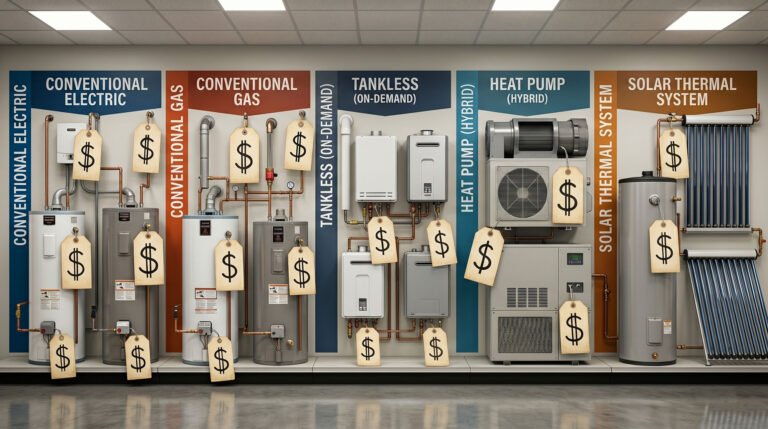
In This Article Why Your Water Heater Deserves More Attention Than It Gets Signs It’s...

June 7, 2026
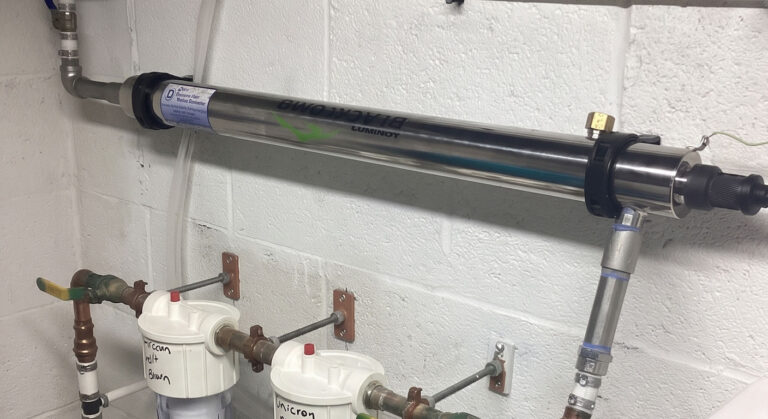
If your home runs on a private well in Bucks County, Berks County, Chester County,...
June 7, 2026
If your home runs on a private well anywhere in Berks, Bucks, Montgomery, Chester, or...
June 7, 2026
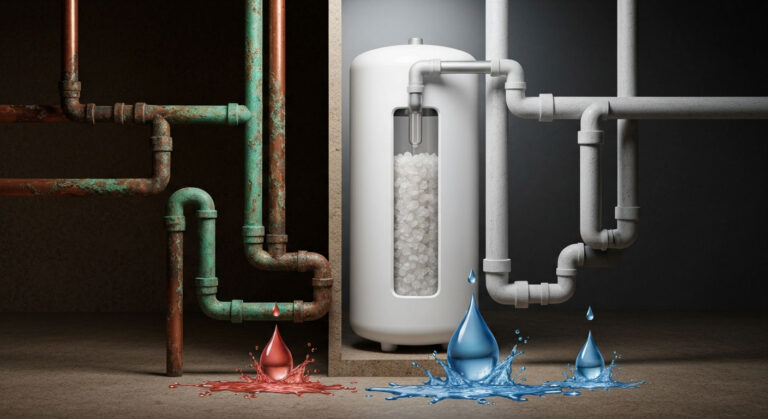
In This Article Why Acidic Well Water Is a Real Problem in Pennsylvania What Makes...

June 7, 2026
You turn on the kitchen faucet and it hits you. That unmistakable rotten egg smell....
May 20, 2026
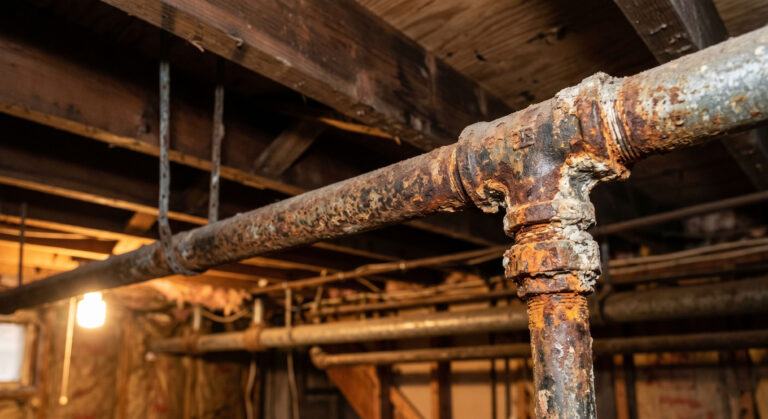
Water keeps a home running. But in an older home, the pipes delivering that water...
May 18, 2026
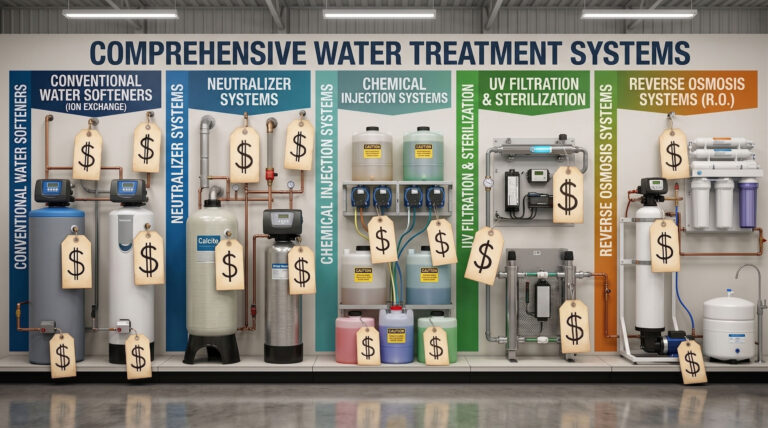
In This Guide Why Water Quality Matters in Bucks, Berks, Montgomery & Chester Counties Start...