No storage tank.
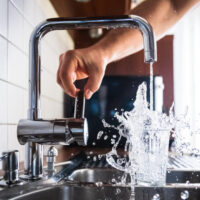
Unlike reverse osmosis, UF delivers filtered water at full pressure directly from your tap. No waiting for a tank to refill, no pressure drop at the faucet.

Advanced Water Purification for Your Home
Ultrafiltration (UF) is a membrane-based drinking water system that removes bacteria, viruses, cysts, and sediment — while keeping the natural calcium and magnesium in your water. It delivers clean, safe water at full flow pressure without a storage tank, without wasting water, and without stripping out the minerals your water naturally contains.
At Dierolf Plumbing and Water Treatment, we install and service ultrafiltration systems across Bucks, Montgomery, Chester, Delaware, Berks, and Lehigh counties. As with all of our drinking water systems, we start with a water test — because UF is the right answer for some homes and not others, and the test tells us which situation you’re in.
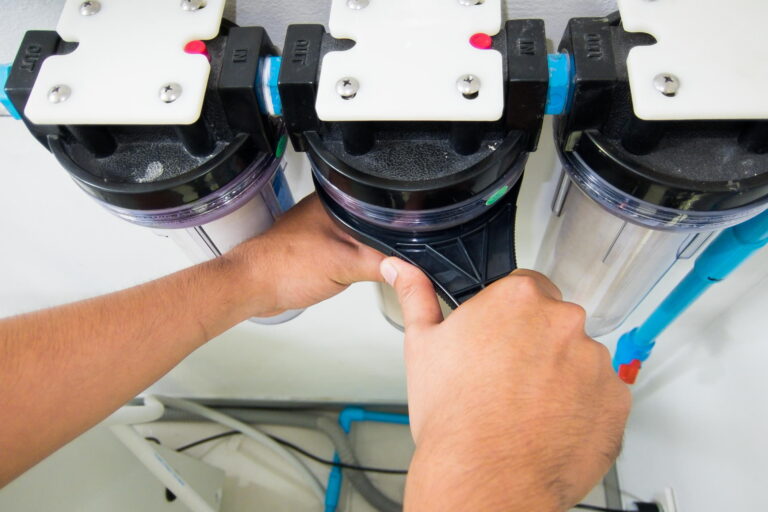
Understanding what UF does and doesn’t do is how you make the right decision for your home. Honest answers here matter more than a sales pitch.
This is why the water test matters. If your water test shows PFAS, lead, arsenic, or nitrates, ultrafiltration alone won’t address those concerns — you need reverse osmosis. If your primary concern is microbial safety and sediment, and your water doesn’t have significant dissolved chemical contamination, UF is often the cleaner, simpler solution. We’ll tell you which situation you’re in before recommending anything. Learn about our water testing services.
UF is a strong fit for a specific type of household situation. Here’s how we think about it:
Not sure which category you’re in? That’s exactly what a water test resolves. Schedule yours here — or read our detailed comparison: Ultrafiltration vs. Reverse Osmosis: Which Is Right for Your Home?
We don’t install systems first and ask questions later. Every job starts with understanding what’s in your water.
One of the advantages of ultrafiltration over reverse osmosis is simpler, less frequent maintenance. Here’s what the typical schedule looks like:
Component
Service Interval
Notes
Component
Service Interval
Notes
UF membrane
Every 1 to 2 years
Periodic backflushing extends membrane life — your water quality affects timing
Component
Service Interval
Notes
Pre-sediment filter (if installed)
Every 3 to 6 months
Especially important for well water with high sediment
Component
Service Interval
Notes
System performance check
Annually
We check flow rate, pressure, and membrane integrity during our annual visit
Component
Service Interval
Notes
UV lamp (if UV is added)
Annually
UV output degrades over time even if the lamp still appears to be on
We provide a full maintenance plan with every installation and can handle all service during an annual visit. If your current UF system hasn’t been serviced in a while, contact us and we’ll get it back in shape.
The main differences are what each system removes and how it operates. RO uses a very fine membrane that removes dissolved chemicals — PFAS, lead, arsenic, nitrates — along with bacteria and viruses, but also strips out beneficial minerals. UF uses a larger pore membrane that removes bacteria, viruses, and sediment but allows dissolved minerals and most dissolved chemicals to pass through. UF also delivers water at full pressure with no storage tank and wastes no water. If your water has chemical contamination, RO is the right call. If your concern is microbial safety and you want to keep your minerals, UF is often the better fit. A water test makes this clear. Read our full comparison here.
Yes. UF membranes remove bacteria, including E. coli and coliform, as well as viruses and cysts like Giardia and Cryptosporidium. This makes UF a strong option for private well owners in Berks, Chester, Lehigh, and Montgomery counties who have tested positive for bacterial contamination or who simply want an added layer of microbial protection. For high-risk wells, we sometimes recommend pairing UF with an upstream UV system for a second line of defense.
No. Ultrafiltration membranes are not fine enough to block PFAS molecules, which are dissolved in water. If your water test shows PFAS contamination — which is a concern in parts of Bucks and Montgomery counties — you need a reverse osmosis system. We want to be direct about this because it matters for your family’s health. Learn more about our RO systems.
Yes, with some important caveats. UF works well for well water when the primary concern is microbial safety, and when dissolved chemical contaminants like arsenic, nitrates, or PFAS are not present. Many private wells in Berks, Chester, and Lehigh counties have bacterial or sediment issues that UF handles effectively. However, if your well also has iron, manganese, or high sediment levels, we’ll recommend a pre-filter upstream of the UF membrane to prevent premature clogging. A water test tells us exactly what’s needed.
Typically 1 to 2 years, though this varies based on your water quality and usage. Well water with high sediment or bacterial load will reduce membrane life more quickly than clean municipal water. Regular backflushing — which many systems do automatically — helps extend membrane life by clearing accumulated material from the surface. We include a maintenance plan with every installatio
Yes, and the combination works well. A water softener addresses hardness — removing calcium and magnesium from your whole-house supply to protect appliances and plumbing. An under-sink UF system then handles the point-of-use drinking water, removing bacteria and sediment at the tap. Since UF retains minerals, softened water going through a UF system will have already had hardness removed — which is generally a non-issue for drinking water. Many customers in Berks and Montgomery counties run both systems together effectively.
Unlike reverse osmosis, ultrafiltration does not require a storage tank or a significant pressure drop. Water flows through the UF membrane under your existing line pressure and comes out at full flow rate at the tap. You won’t notice a difference in pressure from your kitchen faucet. This is one of the practical advantages of UF over RO for homeowners who want high flow and don’t want to wait for a tank to refill.
A water test takes the guesswork out of choosing the right system. Our experienced service technicians will test your water, explain exactly what they find, and give you a straight answer about whether ultrafiltration, reverse osmosis, or another approach is the right fit for your home. We serve Bucks, Montgomery, Chester, Delaware, Berks, and Lehigh counties.
"*" indicates required fields
Dierolf Plumbing and Water Treatment is all about water. We specialize in wholesale water testing and water treatment systems for residential purposes. We also offer a full range of plumbing services. From the basic residential plumbing services such as fixing leaks to installing septic systems, we can take care of you every step of the way.
Dierolf provides financing options to our customers through partners. Click the link to see available options and apply for financing today!

October 14, 2026
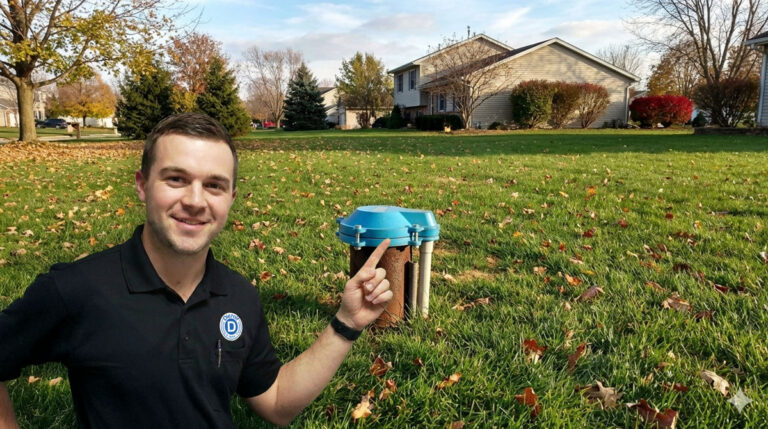
It’s Sunday morning. You turn on the shower and get a sputter, then nothing. No...
September 30, 2026
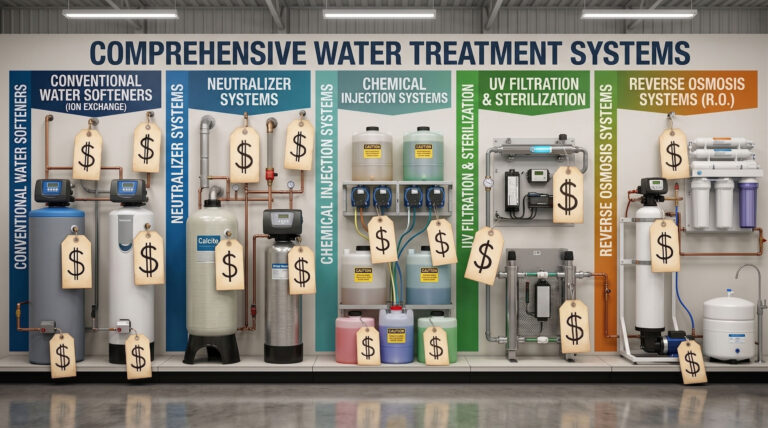
If your water tastes off, leaves orange stains in the tub, or smells like rotten...
September 16, 2026
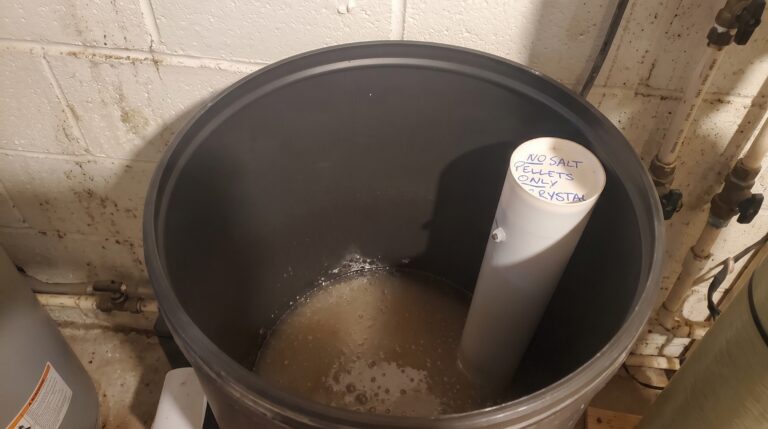
If you popped the lid off your water softener’s brine tank and found water sitting...
September 16, 2026
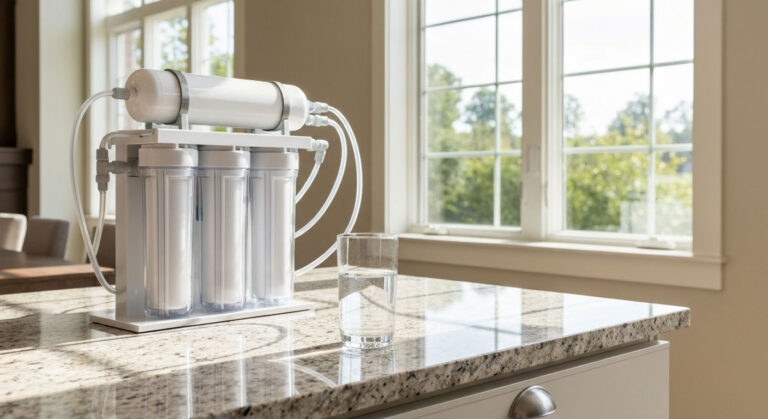
If you’ve ever looked at a glass of tap water and wondered what’s actually swimming...
September 9, 2026
In this guide: Why This Decision Matters More Than You Think How Each System Works...
September 2, 2026
Your water softener is acting up again, and now you are stuck with the same...
August 26, 2026
In this article: What Nitrates Are and Where They Come From Why Well Owners in...

August 19, 2026
Arsenic in your well water isn’t something you can see, smell, or taste. That’s exactly...