


Hard Water Treatment: Water Softeners
November 1, 2019
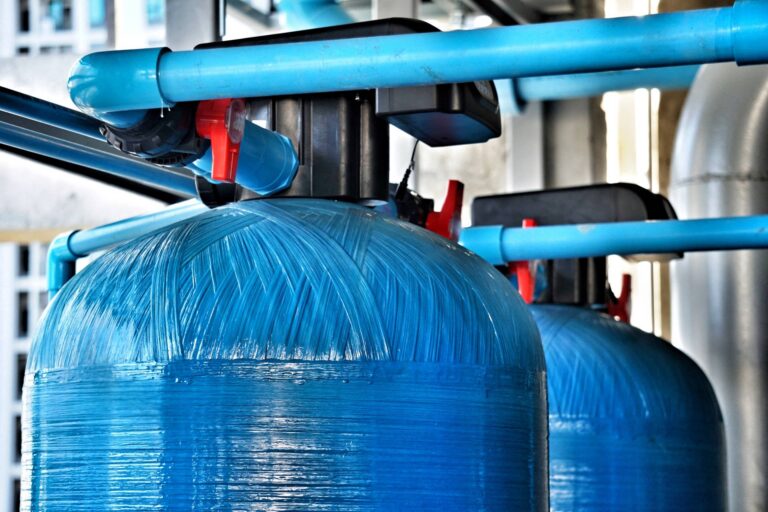
Ever wonder how a water softener works? What is it doing to actually soften the...

Lower Milford Township
Lower Milford Township occupies the southwestern corner of Lehigh County, bordering both Bucks and Montgomery Counties to the south and southwest. With ZIP codes 18036, 18041, 18049, and 18092 covering its gently rolling terrain of farms, woodlands, and historic villages, Lower Milford is one of the most rural communities in Lehigh County, and it intends to stay that way. The township holds the distinction of being home to the first Agriculturally Preserved Farm in Lehigh County, and as of 2025 there are 60 preserved farms totaling nearly 4,000 acres within its borders. Life here revolves around seasonal rhythms at places like Hausman Fruit Farm on Limeport Pike and the beloved Limeport Stadium, a historic baseball venue built in 1933 that still hosts games today. What most homeowners discover quickly is that life in Lower Milford Township also means relying almost entirely on a private well for water, and that makes knowing what is in that well critically important. Dierolf Plumbing and Water Treatment has been serving Lehigh County homeowners since 2009, always starting with a free professional water test before recommending any solution.
The vast majority of Lower Milford Township homes operate on private on-lot well and septic systems. Only the village of Limeport and a small number of homes in select developments are connected to public water through the Lehigh County Authority. For the hundreds of households on private wells scattered across the township’s preserved farmland and wooded hillsides, there is no regulated water testing, no annual Consumer Confidence Report, and no utility monitoring their water quality. That responsibility falls entirely on the homeowner. The Lehigh County Authority’s own hardness data for the Central Lehigh region, which draws from the same carbonate bedrock geology underlying Lower Milford Township, documents hardness in the range of 12 to 18 grains per gallon. Private wells in Lower Milford can test similarly high or higher, depending on the depth and location of the well. At that level, hard water causes real, measurable damage to water heaters, appliances, and plumbing. A properly sized water softener is the most effective long-term solution.
Lower Milford Township’s extensive agricultural land use creates specific risks for private well owners that go beyond hardness. With 60 preserved farms and active cropland covering a substantial portion of the township, nitrate contamination from fertilizer and manure runoff is a genuine and documented concern in rural Lehigh County groundwater. Pennsylvania DEP recommends annual nitrate testing for all private well owners, especially those near active farmland. Iron and manganese from the regional bedrock geology are also commonly found in Lower Milford wells, producing the orange or rust staining on fixtures and metallic taste in water that many residents accept as normal. Our iron filtration systems address this at the whole-house level, and reverse osmosis at the drinking water tap removes nitrates, iron, PFAS, and dissolved contaminants from the water your family drinks and cooks with. For context on what southeastern Pennsylvania well owners commonly face, read our guide on maintaining your private Pennsylvania well.
Bacterial contamination is another priority for Lower Milford Township well owners. In an agricultural township where fields, pastures, and woodlands surround most properties, bacteria from surface runoff can enter wells, particularly after heavy rainfall or spring thaw. Older wells, shallow wells, and wells with deteriorating caps are most vulnerable. A UV disinfection system provides chemical-free whole-house bacterial protection. Our well systems services include pump and pressure tank maintenance as well as full water quality testing for bacteria, nitrates, hardness, iron, manganese, and pH. The Hosensack Creek, which runs through the township and has earned a Class A Wild Trout Stream designation, reflects the quality of Lower Milford’s natural environment. Keeping the private wells that feed hundreds of township homes to the same standard requires testing, attention, and the right treatment when it’s needed. Neighboring communities including Coopersburg, Upper Milford, and Upper Saucon share similar groundwater profiles, and our Lehigh County expertise translates directly to every Lower Milford home we serve.

Lower Milford Township is almost entirely a private well community, and most of those homeowners have never seen a real water test result. They know the water leaves stains, or the scale builds up faster than it should, or it just tastes a little off after a rain. Nobody has ever told them exactly what is in their water or what it means. That is exactly what a Dierolf free water test delivers: exact numbers on hardness, iron, manganese, bacteria, pH, and more, explained in plain language, with a treatment recommendation that fits the specific results. If the water is clean across the board, we will tell you that and leave without selling you anything. If treatment is needed, we explain what it addresses, why it matters for this property, and what it will take to fix it. Testing first is the only honest way to do this work, and it is how Dierolf has operated since 2009.
For Lower Milford Township well owners ready to move forward, the solutions are purpose-built for what these wells typically deliver. A whole-house water softener eliminates the scale damage that shortens the life of your water heater and appliances. An iron filtration system clears staining and metallic taste throughout the home. A UV disinfection system provides whole-house bacterial protection without adding any chemicals to your water. And a reverse osmosis system under the kitchen sink removes nitrates, PFAS, dissolved minerals, and other contaminants from every glass of water your family drinks. Our licensed technicians handle every installation neatly and completely, leaving your basement or utility room tidy and your system clearly labeled for easy maintenance.
For new homeowners in Lower Milford Township, we recommend starting with a comprehensive baseline test rather than just the minimum. Pennsylvania DEP recommends testing for total coliform bacteria and nitrates annually. For a township with 60 preserved farms and extensive agricultural activity, nitrate testing every year is especially important. For a full baseline, also test for hardness, iron, manganese, pH, and total dissolved solids. If your well is older or its history is unknown, consider adding a PFAS screening panel and arsenic test. Our well water testing services cover all of these and our technicians walk you through every result in plain language. Read our article on annual well water checkups for Pennsylvania homeowners and our guide to maintaining your private Pennsylvania well for what to expect every year going forward.
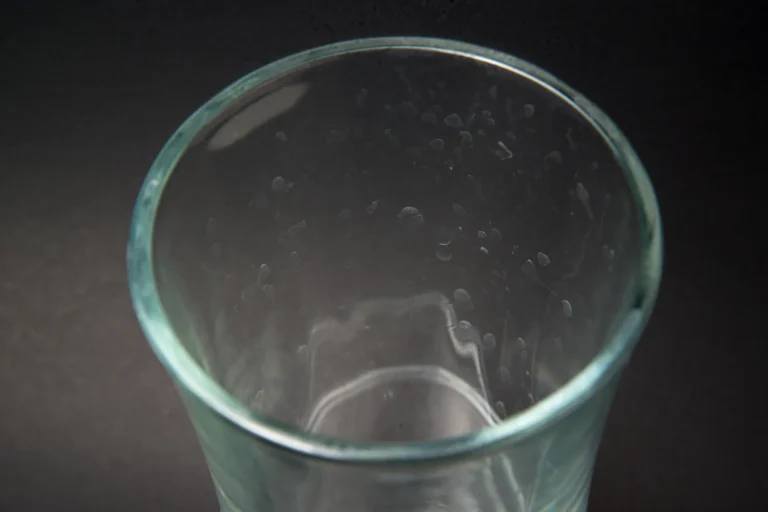
Very hard water is the norm rather than the exception for Lower Milford Township well owners. The carbonate bedrock geology underlying this part of Lehigh County produces groundwater that commonly tests in the 12 to 18 GPG hardness range, consistent with data from the Lehigh County Authority for the same regional aquifers. At that level, calcium and magnesium deposits build up inside your water heater, reducing its efficiency and shortening its life, clog showerheads and fixtures, and cause all the scaling and spotting you see on dishes and glass. Our article on 7 ways a water softener protects your water heater details the financial cost of untreated very hard water. A whole-house water softener removes hardness minerals before they reach any appliance or fixture. Our free water test confirms your exact hardness level so the system can be properly sized for your household.
Yes, and this combination is one of the most comprehensive approaches to well water treatment for Lower Milford Township homes. The water softener handles whole-house hard water, protecting all your plumbing, appliances, and fixtures from mineral scale. The reverse osmosis system installed under the kitchen sink provides an additional layer of purification at the drinking water tap, removing nitrates, PFAS, residual iron, and dissolved contaminants that the softener is not designed to target. The two systems complement each other rather than overlap. Our technicians plan the installation together so everything is placed logically, plumbed neatly, and clearly labeled for easy maintenance. For more on what RO actually removes and how to choose a system, read our article on how to choose the perfect reverse osmosis system for your home. Start with a free water test so we know exactly what your well water contains before recommending the right configuration.
New customers get a FREE water test, including our In-House TC test for homes on wells, PLUS get $100 off the installation of a Water Treatment System!
"*" indicates required fields
Make Dierolf Plumbing and Water Treatment your first choice when looking for expert plumbing and water services.
November 1, 2019
Ever wonder how a water softener works? What is it doing to actually soften the...

August 1, 2020
Regularly having your water tested is important to understanding what water impurities may be affecting...

August 10, 2020
Why invest in water purification systems? What are the benefits? Learn more in this article.
September 19, 2021
Hard water is a common home problem - especially in southeastern PA. Learn more about...
November 23, 2021
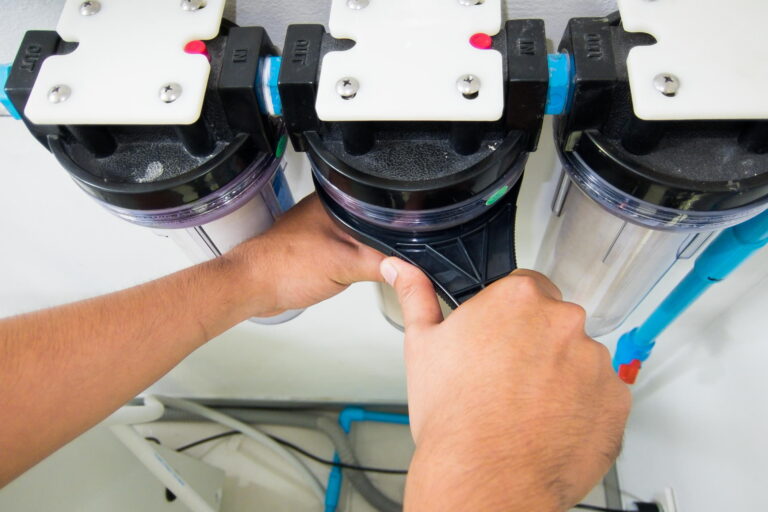
Buying a whole-home water filtration system can be a daunting task. Get answers to some...
January 5, 2022
There are many options when choosing a water treatment system. Learn about which system is...

April 4, 2022
The average person drinks between 2.5 - 4 liters of water a day. But have...
October 21, 2026
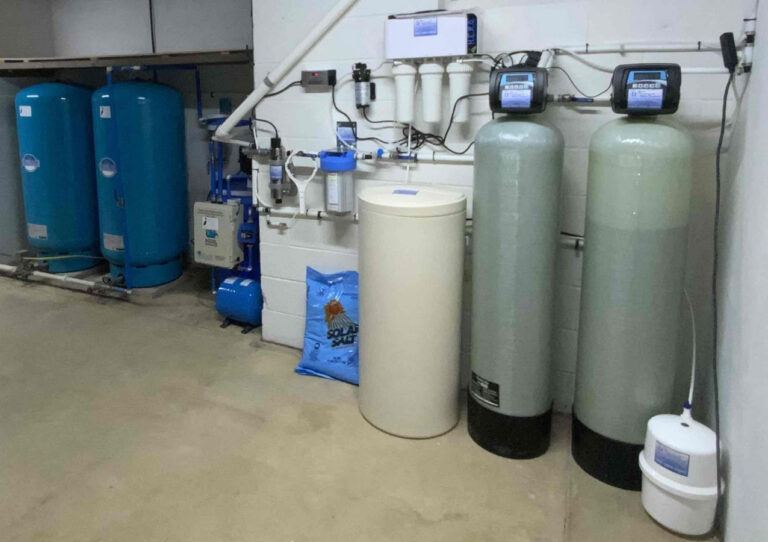
If you own a water softener anywhere in southeastern Pennsylvania, you’ve probably stood in the...
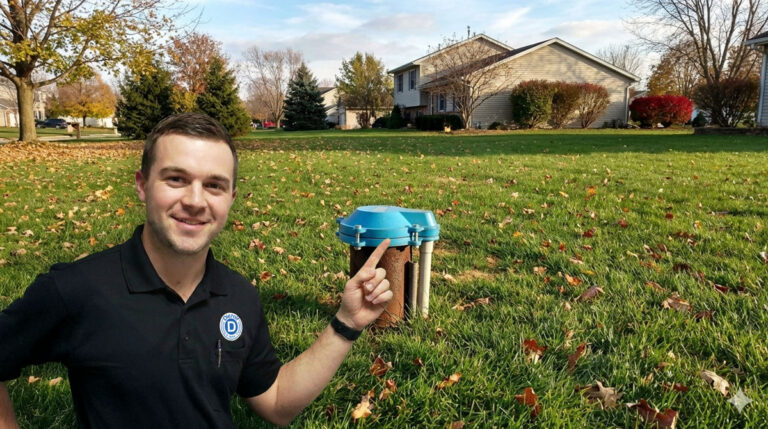
October 14, 2026
It’s Sunday morning. You turn on the shower and get a sputter, then nothing. No...
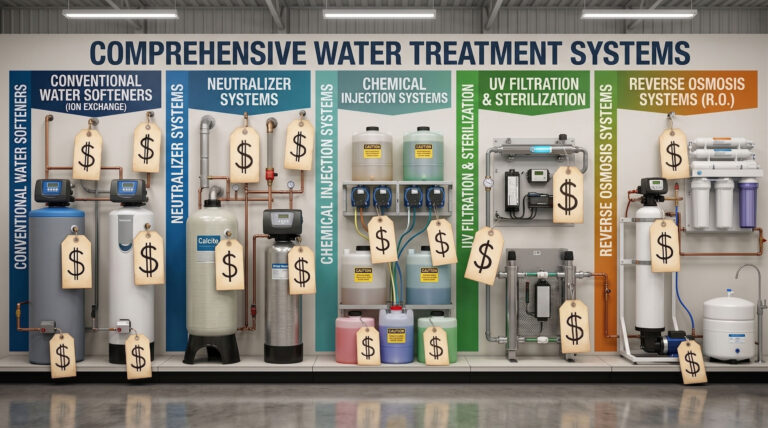
September 30, 2026
If your water tastes off, leaves orange stains in the tub, or smells like rotten...
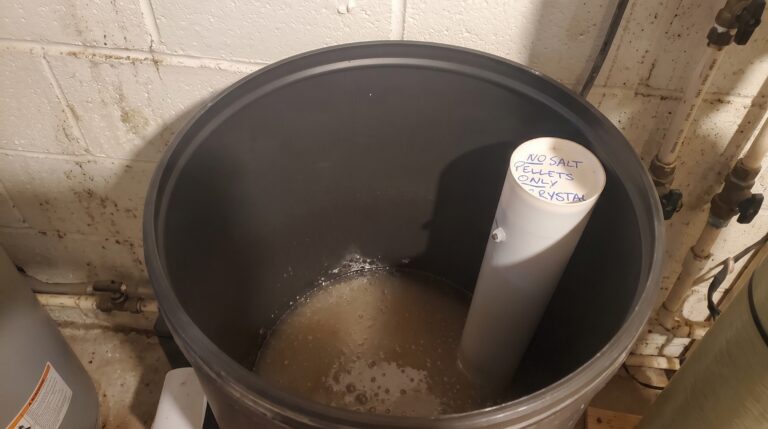
September 16, 2026
If you popped the lid off your water softener’s brine tank and found water sitting...
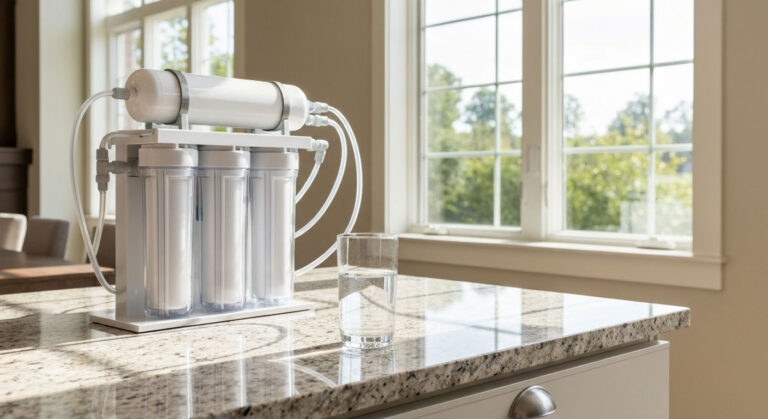
September 16, 2026
If you’ve ever looked at a glass of tap water and wondered what’s actually swimming...
September 9, 2026
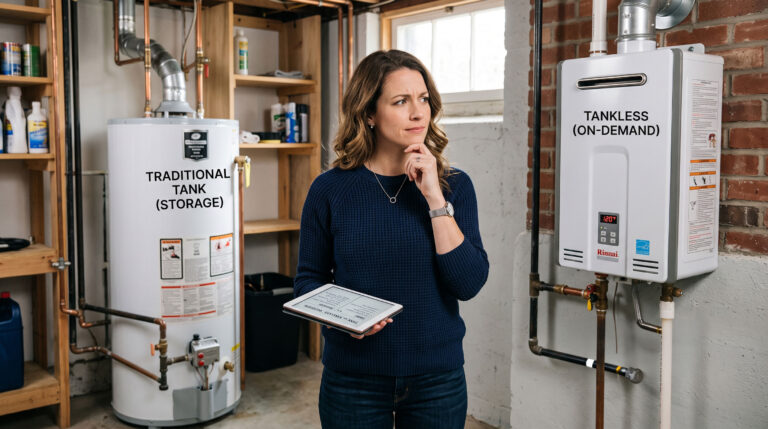
In this guide: Why This Decision Matters More Than You Think How Each System Works...
September 2, 2026
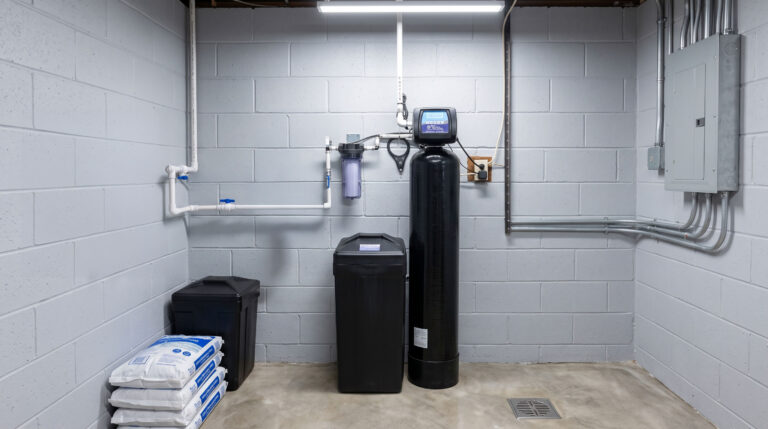
Your water softener is acting up again, and now you are stuck with the same...
August 26, 2026
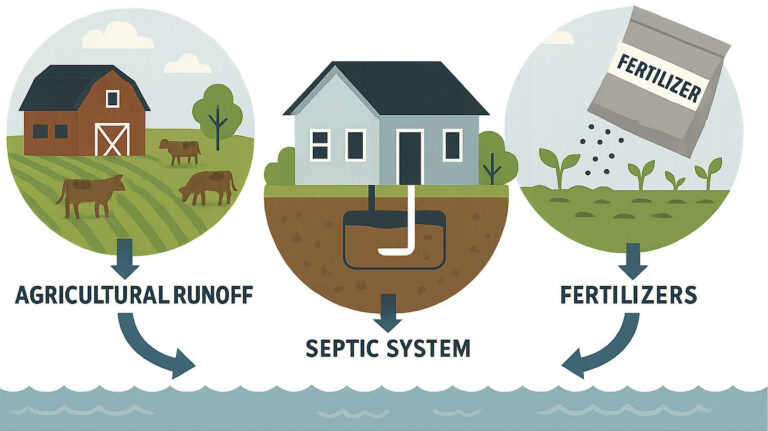
In this article: What Nitrates Are and Where They Come From Why Well Owners in...