
If your home in Boyertown runs on a private well, the water coming out of your tap right now has been through a lot. Snowmelt from the Manatawny Creek watershed, spring rains across Colebrookdale Township, and saturated farmland surrounding the borough have all put pressure on groundwater this season. May is when you find out what made it through.
Why May Is the Right Time for Boyertown Well Owners
Most well owners in Boyertown, Bechtelsville, and New Berlinville don’t think about water testing until something is obviously wrong. A sulfur smell. Rust staining in the laundry. Cloudy water from the tap. By then, contaminants have usually been present for months.
The U.S. Environmental Protection Agency recommends that private well owners test at least once a year. May is the best window because it follows the seasonal events that hit groundwater the hardest. You’re getting a real picture of what your family is drinking right now.
What Winter and Spring Actually Do to Your Well
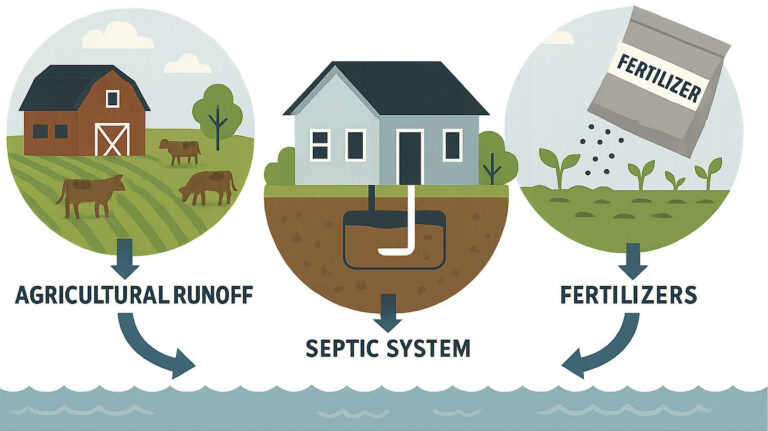
When snow melts across the Boyertown area, it doesn’t stay on the surface. It moves across fields, roads, and lawns — picking up fertilizers, road salt, bacteria, and sediment — and then percolates into the ground. That process carries contaminants toward the water table that feeds your well.
The farmland between Boyertown and Bally, and around Gilbertsville toward the south, is part of this picture. Agricultural runoff from fields that were fertilized last fall doesn’t stay put. Frozen ground thaws unevenly and creates pathways for surface water to reach depths it wouldn’t reach during drier months.
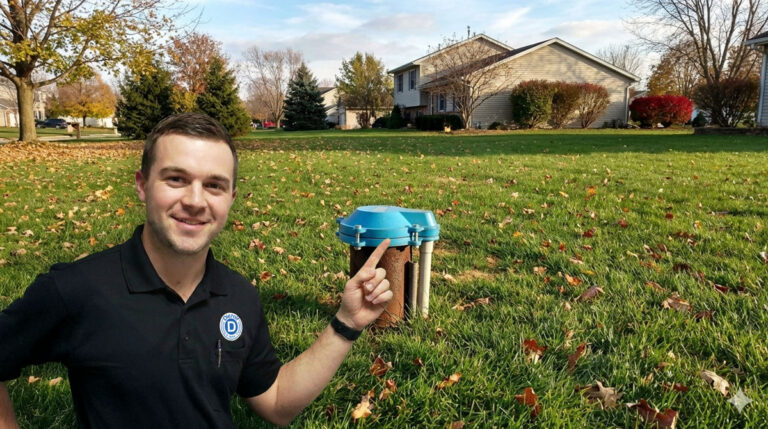
Older wells in the Boyertown borough area and in homes along Route 73 are particularly worth checking. Well casings and caps age, and a winter’s worth of frost heave and ground movement can create entry points that didn’t exist before.
Contaminants Most Common in the Boyertown Area
This part of Berks and Montgomery County has its own water quality profile. Here’s what tends to show up in private wells in the Boyertown area after spring thaw.
Iron and Manganese
The geology around Boyertown and into Pike Township is naturally iron-rich. Orange staining on fixtures, laundry, and sinks is one of the most common complaints from well owners here. Spring runoff can spike levels noticeably.
Coliform Bacteria
Naturally present in soil and animal waste. When surface water reaches your well, coliform bacteria often come with it. It’s one of the most reliable indicators that something is wrong with your well’s integrity.
Nitrates
Common near farmland and older septic systems. Elevated levels are a serious concern for infants and pregnant women, according to the CDC. Many farms surrounding Boyertown make this a relevant test.
Hardness
Limestone-heavy terrain throughout Berks and Montgomery County produces naturally hard water. It’s not a direct health risk, but it shortens the life of your water heater, dishwasher, and plumbing over time.
The PFAS Concern Near Boyertown
If you live near the Boyertown area, PFAS contamination is not a hypothetical. The former Boyertown landfill has been a documented source of PFAS concern in the groundwater serving parts of Montgomery County. These are man-made chemicals found in firefighting foam, food packaging, and industrial products — and they don’t break down naturally.
You can read more in our article on the Boyertown landfill PFAS situation and what it means for local homeowners. If your well is anywhere in the Boyertown-Gilbertsville corridor, PFAS testing is worth including in your spring analysis.
PFAS chemicals have no detectable taste, odor, or color at levels that are still a health concern. The only way to know if they’re in your well water is to test for them specifically. A basic home kit won’t detect them.
What a Professional Water Test Actually Covers
A basic home kit from a hardware store checks a handful of things and gives you broad pass/fail readings. A professional water testing and analysis service goes much further — and gives you numbers that actually mean something for treatment decisions.
A thorough professional test typically covers total coliform and E. coli bacteria, nitrates and nitrites, pH and hardness, iron and manganese, turbidity, volatile organic compounds (if your property is near any industrial history), and PFAS where relevant to your location. The results tell you not just what’s present, but how much — and whether it exceeds safe thresholds set by the EPA or the Pennsylvania Department of Environmental Protection.
That context is what turns a lab report into an actual decision about your family’s water. You can also read more about what to expect from your annual well water check-up before you schedule.
Not Sure What to Test For?
Dierolf will walk you through the right testing panel for your well location, age, and local risk factors. No guesswork, no upselling.
Treatment Options That Match Your Results
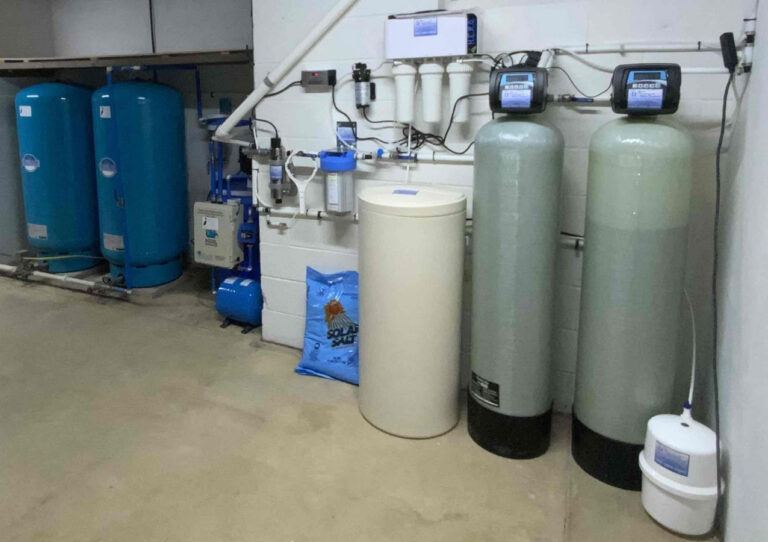
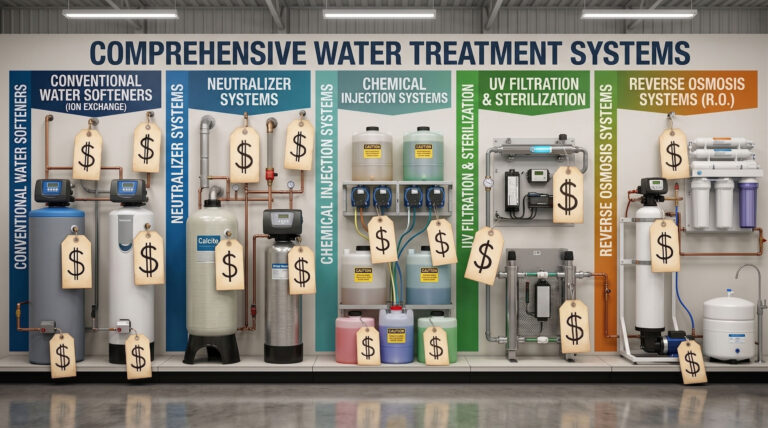
Testing is only useful if you act on the results. Here’s how different findings typically map to treatment solutions.
Bacteria detected — A UV filtration system neutralizes bacteria and viruses without adding chemicals to your water. Quiet, low-maintenance, and highly effective for private wells.
High iron or manganese — A dedicated iron filtration system removes dissolved and particulate iron before it reaches your fixtures. Eliminates the staining that well owners in Boyertown and Pike Township know too well.
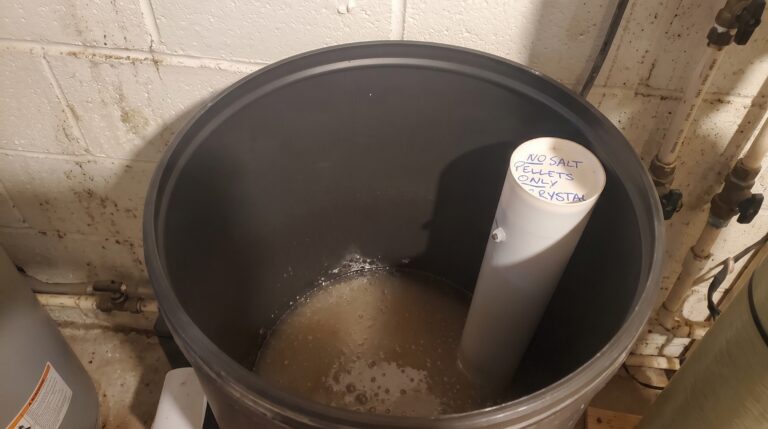
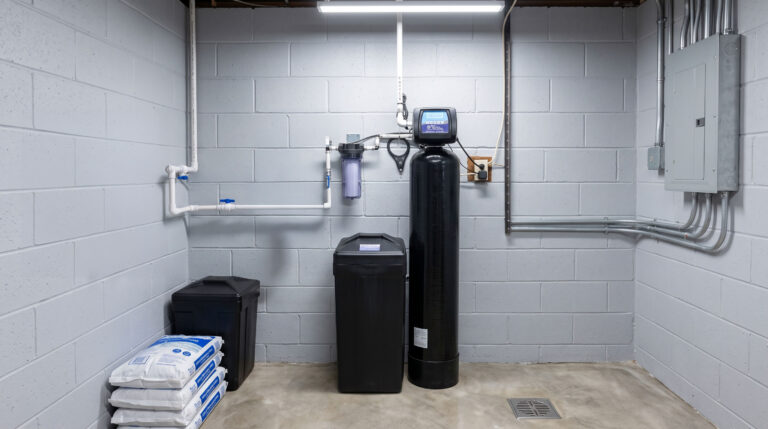
Hard water — A water softener replaces calcium and magnesium with sodium through ion exchange. Extends the life of your water heater, pipes, and appliances.
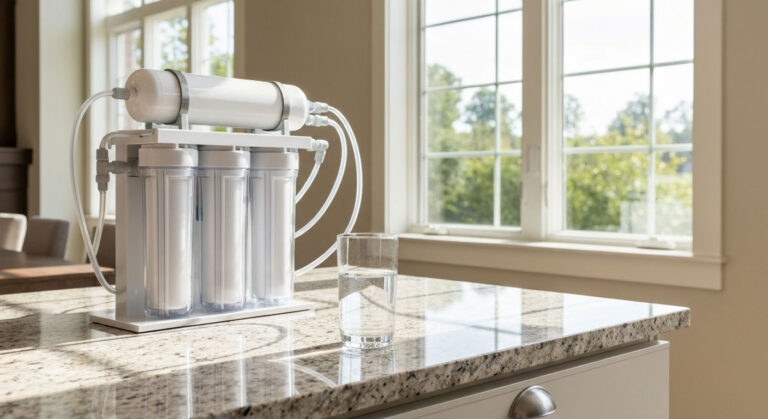
PFAS or chemical contaminants — A reverse osmosis system at the kitchen tap is one of the most effective options. It removes PFAS, nitrates, heavy metals, and a wide range of other compounds through a semi-permeable membrane.
Sulfur or rotten-egg odor — A sulfur filtration system addresses the problem at the source. Common in wells throughout Berks County.
We regularly run promotions on well water testing and treatment system installations. Check our current offers before you schedule.
See Current Water Treatment Specials
How Dierolf Can Help Boyertown Homeowners
Dierolf Plumbing and Water Treatment serves homeowners throughout Boyertown, Bechtelsville, Colebrookdale Township, Pike Township, New Berlinville, and the surrounding Berks and Montgomery County communities. Our licensed master plumbers handle everything from the initial water test to installation of the right treatment system for your specific results.
We’re not here to sell you equipment you don’t need. The test results drive the recommendation. You can also read about Boyertown water quality questions homeowners ask most for a broader picture of what’s going on locally.
With summer approaching and household water use about to increase, there’s no better time to know what’s actually in your well.
💧 Know what’s in your well before summer — free analysis, no obligation.
Get Your Free Well Water Analysis in Boyertown
Fill out the form below and a Dierolf water specialist will reach out to schedule your in-home consultation. We’ll test your water, walk you through the results, and recommend only what your water actually needs.
Schedule Your Free In-Home Water Analysis
Serving Boyertown, Bechtelsville, Colebrookdale Township, New Berlinville, and surrounding Berks and Montgomery County communities.
Frequently Asked Questions
How often should I test my private well in Boyertown?
The EPA recommends at least once a year. May is the ideal time because it follows the spring runoff and snowmelt events that most affect groundwater quality. If you haven’t tested in the last year, or ever, it’s worth doing now. Schedule a free analysis here.
Is PFAS contamination a real concern for Boyertown wells?
Yes. The former Boyertown landfill is a documented PFAS source in this area. Homeowners in Boyertown, Gilbertsville, and surrounding communities with private wells should specifically request PFAS testing — it won’t be included in a basic home kit. Read more about the Boyertown landfill PFAS situation.
My water looks fine and tastes fine. Do I still need to test?
Yes. Bacteria, nitrates, and PFAS have no taste, odor, or color at levels that still affect your health. The only way to know what’s in your water is to test it. Clear, good-tasting water is not the same as safe water.
What should I do if my test comes back with high iron levels?
High iron is very common in Boyertown area wells. A dedicated iron filtration system removes dissolved and particulate iron before it reaches your fixtures, eliminating staining and protecting your plumbing. We can recommend the right system based on your actual iron levels from the test results.
How long does a water test take, and when do I get results?
Sample collection is typically under an hour. Lab results usually come back within a few business days. After that, a Dierolf specialist will walk you through what the numbers mean and what, if anything, needs to be addressed. Get started here.