



Hard Water Treatment: Water Softeners
November 1, 2019
Ever wonder how a water softener works? What is it doing to actually soften the...

Upper Milford Township
Upper Milford Township holds a distinction that most of its Lehigh County neighbors cannot claim: it is the oldest township in the county, first organized in 1739, and its character reflects that heritage in every direction. Covering 18 square miles in the southernmost portion of Lehigh County, the township encompasses the villages of Old Zionsville, Zionsville, Vera Cruz, Powder Valley, Shimerville, Corning, and Sigmund — each a small community with its own history stretching back to the earliest Pennsylvania Dutch settlers. The township’s terrain is shaped by South Mountain to the south and the Perkiomen Creek valley to the west, with Interstate 476 passing through the Vera Cruz corridor. History runs deep here: the Vera Cruz Jasper Quarry near Old Zionsville preserves one of the best-maintained prehistoric jasper mining sites in the mid-Atlantic, used by Lenape people for 10,000 years. Today the township retains that rural character — picturesque churches, barns, family farms, and woodlands — while benefiting from proximity to Emmaus and Macungie just to the north. The East Penn School District serves the community, with students attending Emmaus High School. Dierolf Plumbing and Water Treatment has served Lehigh County families since 2009, always starting with a free professional water test before recommending any treatment solution.
Unlike the more urbanized townships to its north, Upper Milford Township is predominantly a private well community. Most homes in the rural stretches of the township — in the Shimerville, Powder Valley, Old Zionsville, and Corning areas — rely on private on-lot wells and septic systems. The Lehigh County Authority serves only a handful of smaller developments in the township: the Mink Estates and Far View Farms area (72 properties), the Buss Acres, Deer Run, and Crest developments (101 properties), and some properties near the Emmaus border through the LCA Emmaus Consecutive Division (approximately 462 properties). For the majority of Upper Milford households on private wells, there is no utility monitoring water quality, no annual Consumer Confidence Report, and no regulated testing. The entire responsibility for testing and treating well water falls on the homeowner. The same carbonate limestone bedrock that underlies all of central Lehigh County produces hard, mineral-rich groundwater in Upper Milford Township wells. Hardness in the 12 to 18 GPG range is common throughout this geology, and at those levels, hard water causes real, measurable damage to water heaters, appliances, and plumbing over time. A properly sized water softener is the most effective long-term protection.
Iron and manganese are among the most commonly reported issues in Upper Milford Township well water. The township’s hilly terrain, red shale and limestone geology, and active agricultural land use create conditions where iron-bearing groundwater is the norm rather than the exception. Orange or rust-colored staining on fixtures, a metallic taste, and permanent laundry discoloration are the signs that many well owners in Shimerville, Powder Valley, and the rural stretches near the Berks County border simply accept as normal. Our iron filtration systems address this at the whole-house level. Where the Perkiomen Creek and its tributaries drain through the western portion of the township near agricultural fields, nitrate contamination from fertilizer runoff is also a documented concern. Pennsylvania DEP recommends annual testing for bacteria and nitrates for all private well owners, and our well systems services cover comprehensive testing, treatment design, and pump and pressure tank maintenance.
Bacterial contamination deserves particular attention for Upper Milford Township well owners. In a rural township where farms, fields, and older septic infrastructure surround most properties, bacteria from surface runoff can enter wells after heavy rain or spring snowmelt — especially in older or shallow wells. A UV disinfection system provides chemical-free whole-house bacterial protection without affecting water taste or chemistry. For well owners who want protection at the drinking water tap against nitrates, PFAS, and dissolved contaminants, a reverse osmosis system provides comprehensive filtration in a compact under-sink unit. Neighboring communities including Lower Milford Township, Upper Saucon Township, and Emmaus share similar groundwater characteristics, and Dierolf’s deep Lehigh County expertise applies to every Upper Milford home we serve. To understand what private well owners in this region commonly face, read our guide on maintaining your private Pennsylvania well.

If your dishes come out of the dishwasher with white spots, your shower doors never seem fully clean, or your skin feels dry after bathing, hard water may be affecting your home.
That is a common issue across southeastern Pennsylvania. Many local homeowners, especially those on private wells, deal with elevated levels of calcium and magnesium in their water. Even homes on municipal water can experience enough hardness to create scale buildup, reduce soap performance, and shorten the life of appliances.
A water softener is designed to solve that specific problem. In this guide, we will explain what a water softener does, how it works, what hard water is doing inside your home, and how to tell whether softening is the right next step.
Hard water is water that contains a high concentration of dissolved minerals — mainly calcium and magnesium. As groundwater moves through soil and rock, it naturally picks up minerals. In areas with mineral-rich geology, that process leads to harder water, which is why it is so common in Pennsylvania.
Homes throughout Bucks County, Montgomery County, Chester County, Berks County, and Lehigh County regularly deal with noticeable hardness issues. Water hardness is usually measured in grains per gallon (GPG).
Classification Grains Per Gallon (GPG) Concern Level
Soft Less than 1 GPG None
Slightly hard 1 – 3.5 GPG Minimal
Moderately hard 3.5 – 7 GPG Noticeable
Hard 7 – 10.5 GPG Significant
Very hard More than 10.5 GPG High — action recommended
Hard water is usually not considered a direct health hazard, but it creates real problems for plumbing systems, fixtures, cleaning, and daily comfort.
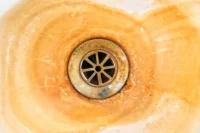
Hard water scale buildup on bathroom faucet in Pennsylvania home
Scale buildup on fixtures is one of the most visible signs of hard water — and a warning of what may be happening inside pipes and appliances too.
When hard water is heated or evaporates, minerals are left behind. That residue forms scale inside water heaters, pipes, dishwashers, washing machines, and fixtures. Over time, that buildup can reduce efficiency, restrict flow, and contribute to earlier equipment failure.
How scale buildup contributes to early appliance failure — and what soft water can prevent.

Hard water reacts with soap and detergent. That often means using more soap, more shampoo, and more detergent without getting better results. It also leads to soap scum on showers, tubs, sinks, and dishes.
Many homeowners notice that bathing in hard water leaves skin feeling tight, dry, or irritated. Hair may also feel less clean, less soft, and harder to manage.
If your dishes come out of the dishwasher looking cloudy or spotted, hard water is often the culprit. The issue is not usually the detergent — it is the mineral content drying on the surface.
White residue, crusty faucet buildup, and stubborn rings in toilets or tubs are common signs of mineral-heavy water. These are visible warnings of the same scaling that may be happening out of sight inside your plumbing.
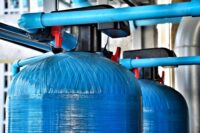
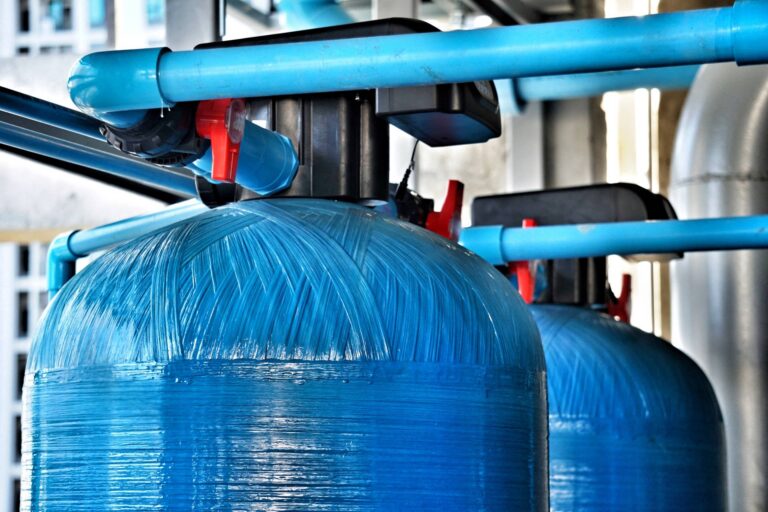
A water softener is a whole-home water treatment system that removes the minerals responsible for water hardness. Most residential softeners use a process called ion exchange. The system captures calcium and magnesium and replaces them with sodium ions, which prevents those hardness minerals from continuing through the plumbing system.
The result is water that is much less likely to leave scale behind, interfere with soaps, or damage appliances over time.
Inside the softener is a tank filled with resin beads. As hard water passes through, the resin attracts and holds the calcium and magnesium — releasing sodium in exchange. When the resin fills up, a regeneration cycle flushes it with brine from the salt tank, clears the collected minerals, and restores the resin so it can keep softening. Modern demand-initiated systems regenerate based on actual household usage, which helps reduce waste.
Whole-home water softener system installed near main water line
A properly installed whole-home water softener connects near the main water line, treating water before it reaches any fixture or appliance.
A water softener treats one specific issue: hardness. It does not automatically remove other contaminants. That is why water testing matters before any treatment recommendation is made.
The best answer depends on your water test results and the symptoms you are seeing at home.
The most effective water treatment recommendations start with facts, not guesswork. A professional water test can identify hardness level, pH, iron, manganese, bacteria, nitrates, and other water quality issues that affect treatment decisions.
This is especially important for private well owners. Unlike municipal water, well water is not treated before it reaches the home — and conditions can vary significantly from one property to another. If you are on a private well in Pennsylvania and have never had your water professionally tested, that is one of the most important steps you can take.
Water quality is highly local. In southeastern Pennsylvania, hardness is often only part of the story. Depending on the home and water source, there may also be issues with iron, manganese, low pH, odor, or other contaminants. The right equipment depends on what is actually in your water, how much water your household uses, and whether the home is on well water or municipal supply.
This is also why a generic big-box recommendation often falls short. Proper sizing, correct application, and local knowledge matter.
Most common
The most effective systems for truly removing hardness minerals. When homeowners talk about installing a water softener, this is almost always what they mean.
Do not remove hardness minerals — instead they reduce scale formation. May be worth considering in some situations, but do not perform the same way as a true softener.
For larger homes or very hard water conditions. Provides continuous soft water even while one tank is regenerating.
Some homes need more than softening alone. These pair a softener with filtration to address hardness plus iron, odor, or other concerns simultaneously.
A professional installation usually includes:
Ongoing maintenance is usually straightforward. Most salt-based systems require occasional salt refills and periodic service to keep the system performing properly over time.
$1,800 – $4,000
Typical investment range
Pricing depends on system type, household size, hardness level, installation conditions, and whether additional treatment is needed beyond softening. The lowest-priced option is not always the best value — a system that is undersized, poorly installed, or not matched to your water chemistry may underperform and cost more over time.
At Dierolf Plumbing and Water Treatment, we help homeowners across southeastern Pennsylvania get clear answers about their water and the right solution for their home. Our 5-star Google reputation was built on serving people well.
We do not believe in one-size-fits-all recommendations. We start with testing, explain what the results mean, and help you understand whether a water softener makes sense on its own or as part of a larger water treatment system.
Professional water testing and customized treatment recommendations for homeowners throughout southeastern Pennsylvania. Know exactly what’s in your water — and what to do about it.
Hard water is generally not considered harmful to drink. However, it can create scaling inside plumbing and appliances, make cleaning more difficult, cause dry skin and dull hair, and shorten the life of water-using equipment in your home.
Common signs include white or chalky buildup on faucets and showerheads, cloudy dishes, dry skin after showering, soap that doesn’t lather well, and repeated scale-related appliance issues. A professional water test is the best way to know for sure — it measures actual hardness levels and rules out other water quality concerns.
No. A water softener treats hardness — it removes calcium and magnesium through ion exchange. It does not automatically remove bacteria, chlorine, nitrates, sediment, iron, PFAS, or many other contaminants. If those are present in your water, additional treatment will be needed.
Yes. Hard water is very common in Pennsylvania, especially in areas with mineral-rich geology and in homes on private wells. Counties including Bucks, Montgomery, Chester, Berks, and Lehigh regularly see elevated hardness levels — but water quality is highly local, and even nearby homes can have different readings depending on the water source.
Start with a professional water test. That will confirm whether hardness is actually the primary issue and identify any other water quality concerns that should be addressed at the same time. Proper sizing and the right equipment configuration depend on what is actually in your water — not on a generic box-store recommendation.
New customers get a FREE water test, including our In-House TC test for homes on wells, PLUS get $100 off the installation of a Water Treatment System!
"*" indicates required fields
Make Dierolf Plumbing and Water Treatment your first choice when looking for expert plumbing and water services.
November 1, 2019
Ever wonder how a water softener works? What is it doing to actually soften the...

August 1, 2020
Regularly having your water tested is important to understanding what water impurities may be affecting...

August 10, 2020
Why invest in water purification systems? What are the benefits? Learn more in this article.
September 19, 2021
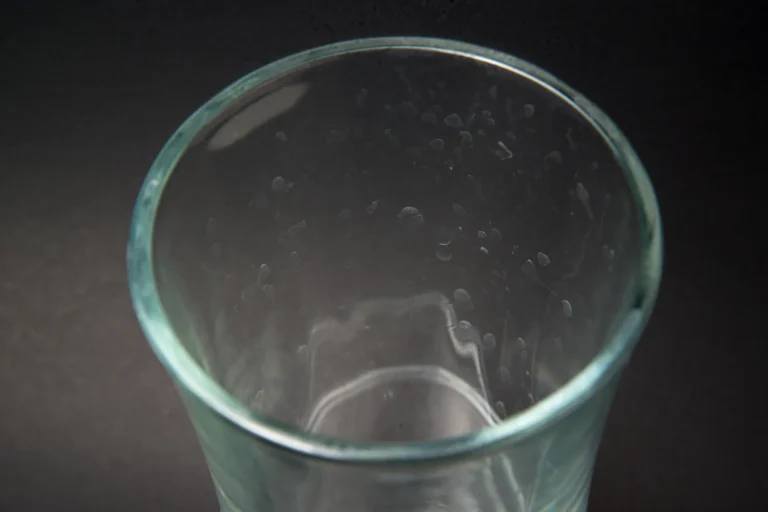
Hard water is a common home problem - especially in southeastern PA. Learn more about...
November 23, 2021
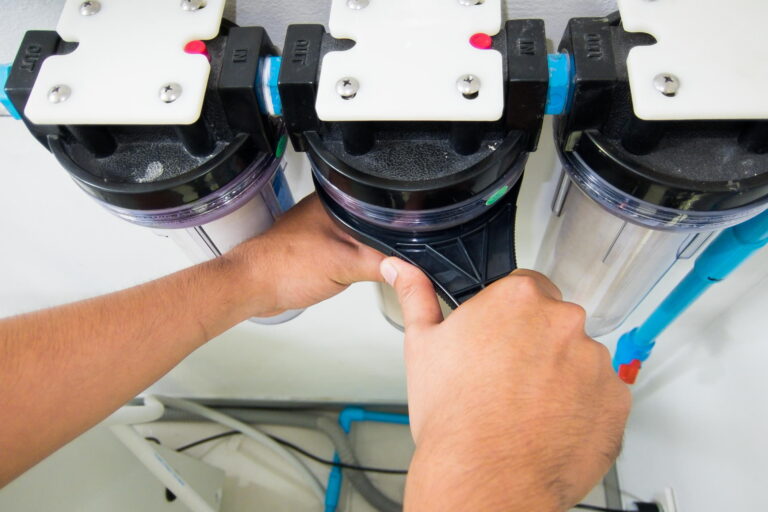
Buying a whole-home water filtration system can be a daunting task. Get answers to some...
January 5, 2022
There are many options when choosing a water treatment system. Learn about which system is...

April 4, 2022
The average person drinks between 2.5 - 4 liters of water a day. But have...
October 21, 2026
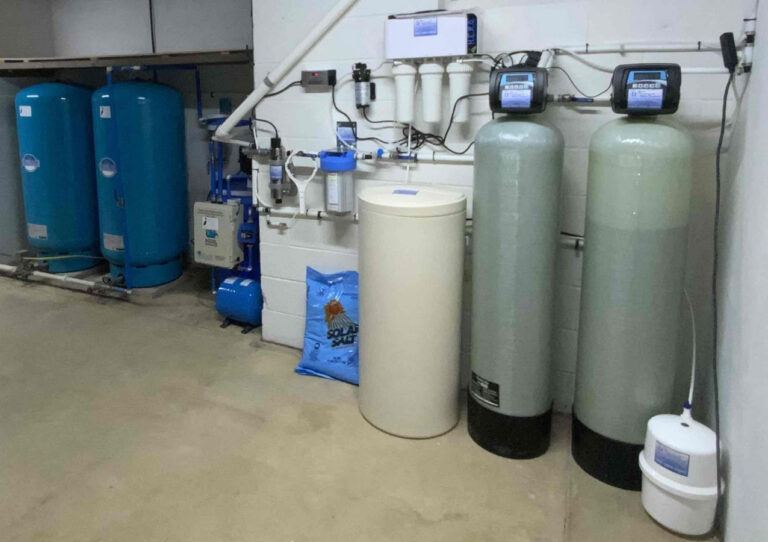
If you own a water softener anywhere in southeastern Pennsylvania, you’ve probably stood in the...
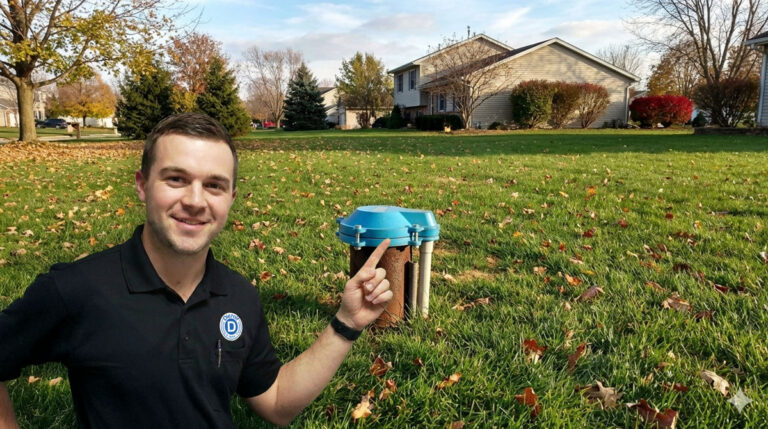
October 14, 2026
It’s Sunday morning. You turn on the shower and get a sputter, then nothing. No...
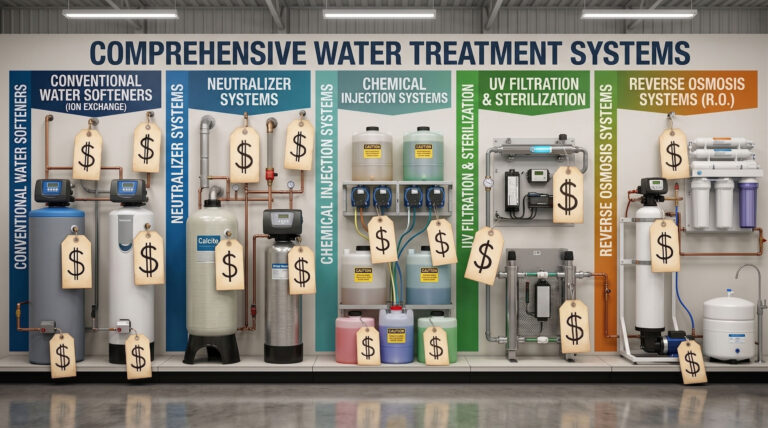
September 30, 2026
If your water tastes off, leaves orange stains in the tub, or smells like rotten...
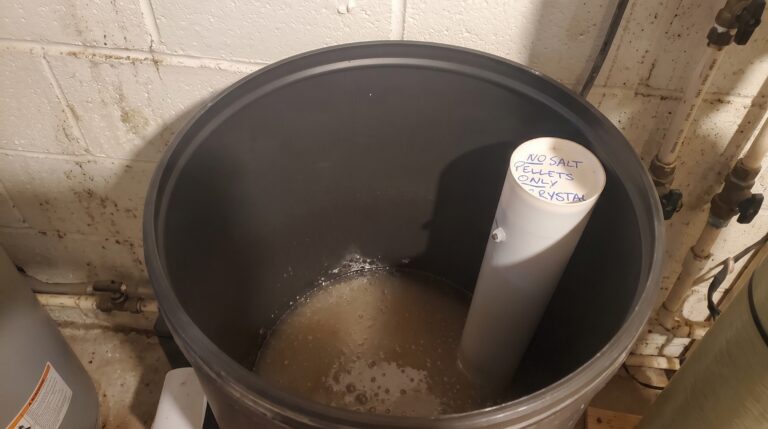
September 16, 2026
If you popped the lid off your water softener’s brine tank and found water sitting...
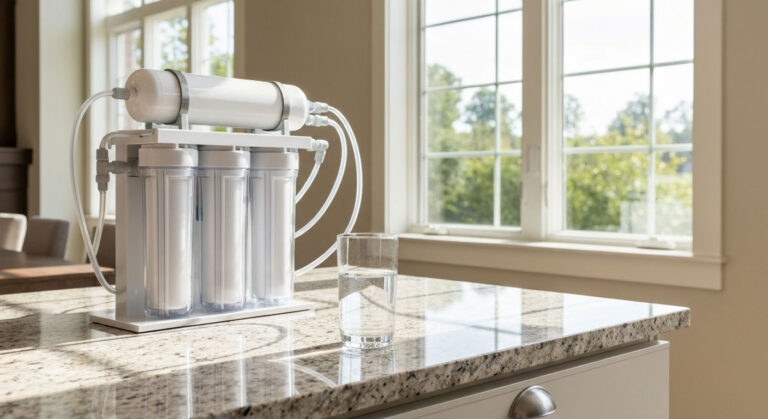
September 16, 2026
If you’ve ever looked at a glass of tap water and wondered what’s actually swimming...
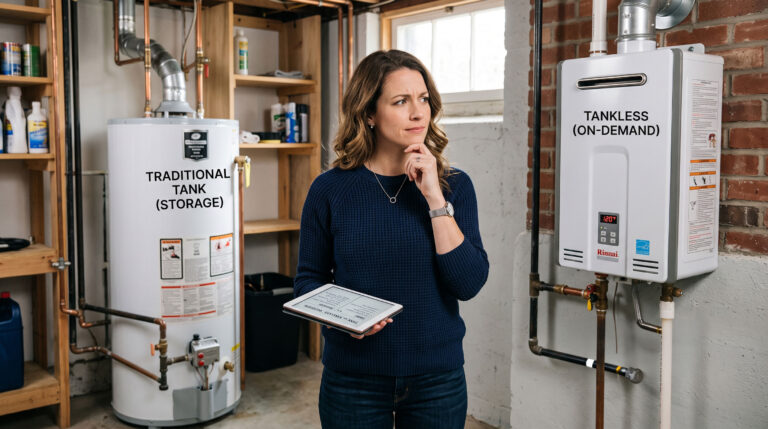
September 9, 2026
In this guide: Why This Decision Matters More Than You Think How Each System Works...
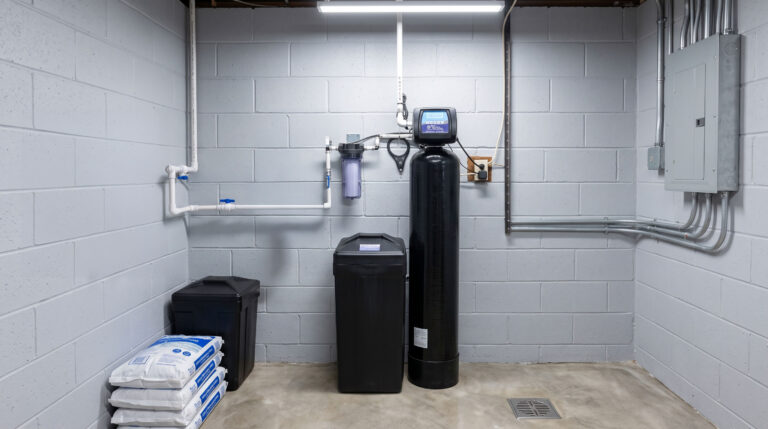
September 2, 2026
Your water softener is acting up again, and now you are stuck with the same...
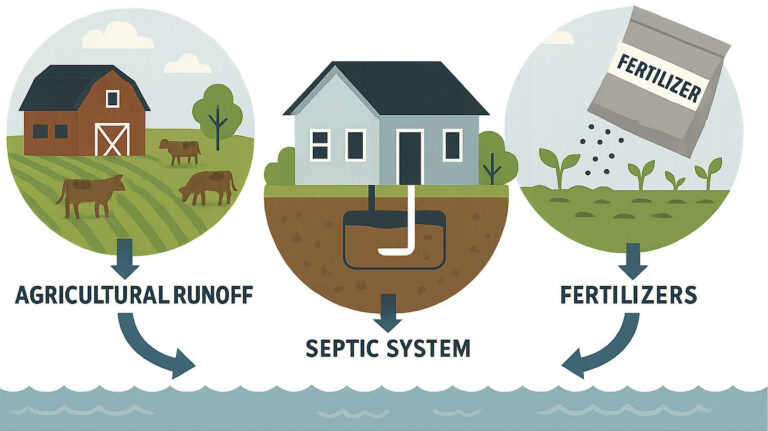
August 26, 2026
In this article: What Nitrates Are and Where They Come From Why Well Owners in...