
If your Doylestown home runs on a private well, May is not the month to put water quality on the back burner. Spring in Bucks County brings heavy rain, late snowmelt, and saturated soil — and all of that activity pushes surface contaminants toward the groundwater that feeds your well. Testing now gives you a clear, accurate picture of what your family has actually been drinking.
Doylestown Township and the surrounding communities sit in one of Bucks County’s most geologically active groundwater zones. The limestone bedrock that defines much of central Bucks County creates ideal conditions for contaminant travel. Testing in May, right after the seasonal changes that most affect groundwater, is one of the most practical things you can do for your family’s health this year.
Why Spring Is a Critical Moment for Well Water
Most homeowners in Doylestown don’t think about well water testing until something is obviously wrong — a sulfur smell, rust staining in the bathroom, or water that tastes off. By the time those signs appear, contaminants have usually been building for months.
The U.S. Environmental Protection Agency recommends that private well owners test their water at least once a year. May is the ideal window for that annual check because the seasonal conditions that most threaten groundwater quality — snowmelt, heavy rain, soil disturbance — happen in the weeks just before it. Testing after those conditions gives you an honest look at what’s actually in your water.
What Winter and Spring Actually Do to Your Well
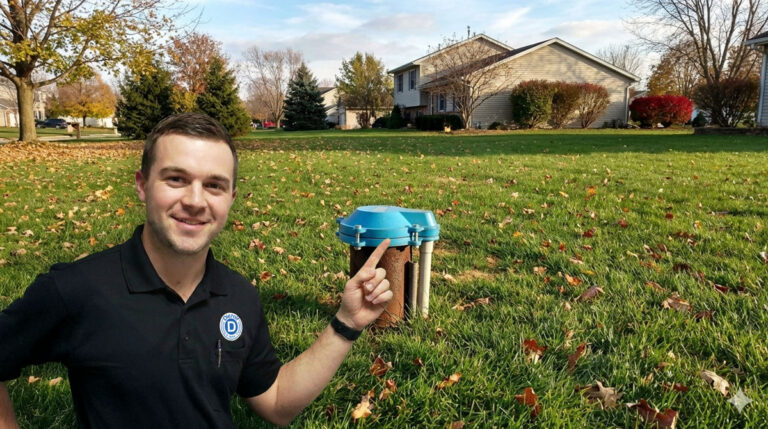
Winter in central Bucks County is hard on private wells, even when you can’t see the damage happening. Frozen ground creates pressure on well casings. Freeze-thaw cycles can crack the soil around your wellhead and open new pathways for surface water to get in. And when everything thaws in late March and April, that movement of surface water doesn’t stop — it accelerates.
The older housing stock in Doylestown Borough and throughout Doylestown Township means a lot of wells in this area have been in the ground for decades. Older wells, especially those installed before modern sealing standards, are more vulnerable to surface intrusion. If your well was drilled before 1990, spring testing is especially worth prioritizing.
Snowmelt and Runoff: The Hidden Threat
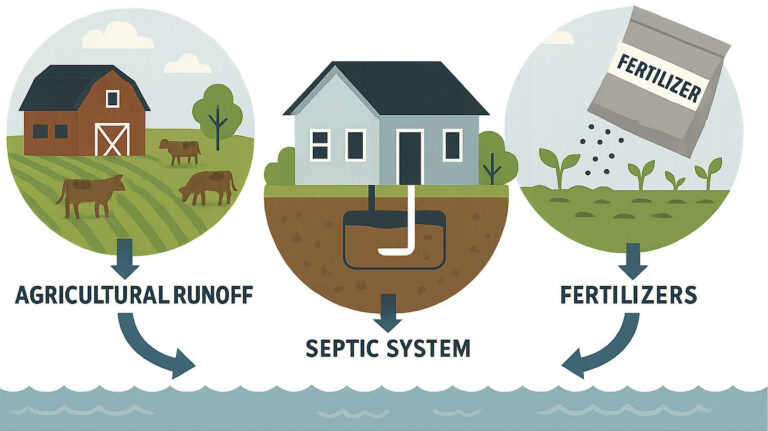
When snow melts across Bucks County, it moves across farm fields, suburban lawns, roadsides, and horse pastures — picking up whatever is on those surfaces — and then percolates down into the ground. That process carries bacteria, nitrates, pesticides, and road salt toward the water table that feeds your well.
The rolling farmland around New Britain, Chalfont, and Warrington contributes real agricultural runoff risk to properties on the edges of those communities. Fertilizers and animal waste from working farms can travel significant distances through saturated soil before reaching a well. If your property borders or is near active farmland, the case for spring testing is strong.
Doylestown Borough itself is more heavily developed, but that doesn’t eliminate the risk. Older infrastructure, legacy industrial sites, and denser residential development create their own contamination pathways. Runoff picks up pesticides, road chemicals, and other urban contaminants just as readily as agricultural ones.
Contaminants to Watch for After Spring Thaw
After a wet spring like the ones central Bucks County regularly sees, the contaminants most likely to show up in a private well include:
- Coliform bacteria — naturally present in soil and animal waste, a reliable indicator that surface water has reached your well. The CDC recommends testing for coliform annually, and spring is the time.
- Nitrates — common near farmland and septic systems throughout Bucks County. Elevated nitrates are a serious risk to infants and pregnant women. Our guide to nitrate removal explains the treatment options.
- Iron and manganese — central Bucks County’s geology is naturally iron-rich, and spring runoff can push levels higher than your existing treatment system can handle. See our article on removing manganese from well water in southeastern Pennsylvania for what to watch for.
- PFAS (per- and polyfluoroalkyl substances) — man-made chemicals linked to health risks that have been detected in groundwater throughout Bucks County. Our article on PFAS concerns in Bucks County covers local context in detail.
If your property is near a golf course, a dry cleaner, any site with industrial history, or a property that uses heavy lawn chemicals, the case for comprehensive spring testing is even stronger.
Water Quality Concerns Specific to Doylestown and Central Bucks County
Doylestown sits in a part of Bucks County where geology and land use come together to create some specific water quality challenges.
The limestone-rich terrain across Doylestown Township, New Britain Township, and Plumstead Township produces naturally hard water — high in calcium and magnesium. Hard water isn’t a direct health risk, but it causes real, ongoing damage to plumbing, water heaters, and appliances. Many homeowners in the area notice scale buildup on fixtures, shorter appliance lifespans, and dry skin after showering. Our article on how hard water affects your skin explains what’s happening and why a water softener makes such a difference.
Iron is another regional reality. Many homeowners in Doylestown Township, Chalfont, and Buckingham deal with orange or rust-colored staining on sinks, tubs, and laundry. If you are already treating for iron, spring testing helps you confirm whether your system is still keeping up or whether levels have shifted since your last service.
PFAS contamination is a documented concern in Bucks County. Properties near certain industrial corridors and military-adjacent areas have shown elevated PFAS in groundwater testing. The Pennsylvania DEP’s PFAS monitoring data covers several Bucks County locations. If you are near any of those areas, including parts of Warminster, Warrington, or Doylestown, PFAS testing is worth adding to your annual check.
For a full look at the water quality picture in this part of Bucks County, our article on addressing water concerns in Doylestown, PA is worth reading before you schedule your test.
What a Professional Water Test Actually Covers
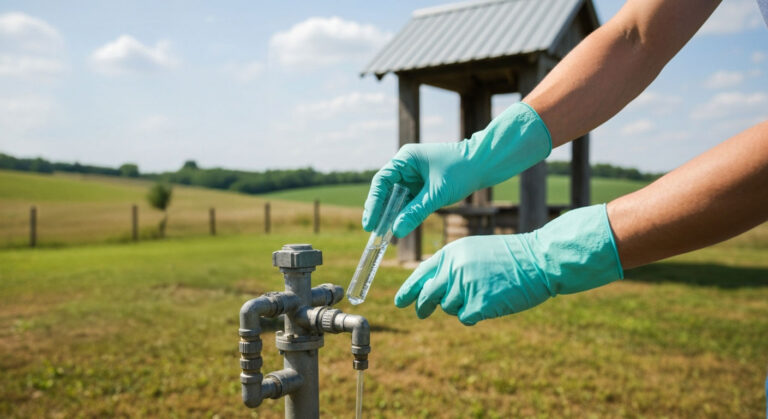
A basic home test kit from a hardware store checks a handful of parameters and doesn’t give you the quantitative data you need to make a real treatment decision. A professional water testing and analysis service goes considerably further.
A thorough professional test typically measures:
- Total coliform and E. coli bacteria
- Nitrates and nitrites
- pH and total hardness
- Iron, manganese, and other metals
- Turbidity (cloudiness, which can signal sediment or biological contamination)
- Volatile organic compounds (VOCs), particularly if your property is near any site with industrial history
- PFAS, when relevant to your location
The results tell you what is present and how much — and whether those levels exceed safe thresholds set by the EPA or Pennsylvania DEP. That context is what turns raw data into an actual action plan. For a full walkthrough of what to expect, our article on your annual well water check-up walks through the process step by step.
If you have wondered about the difference between DIY kits and professional testing, our article on why DIY water test kits can do more harm than good explains the limitations clearly.
What Happens After Your Test: Treatment Options That Match the Problem
Testing is only the first step. What matters is what you do with the results.
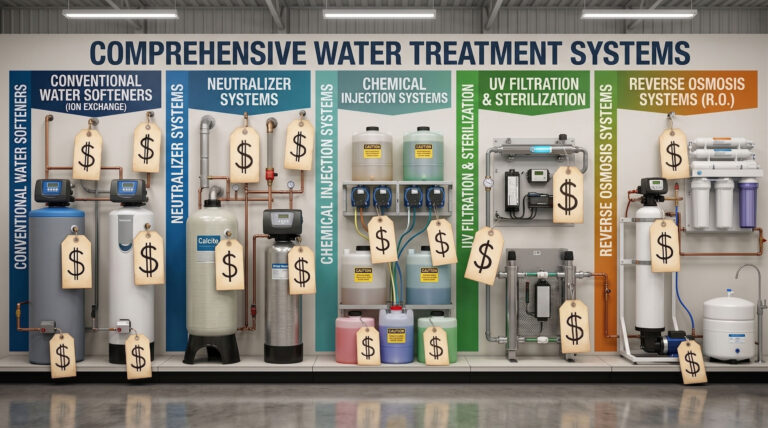
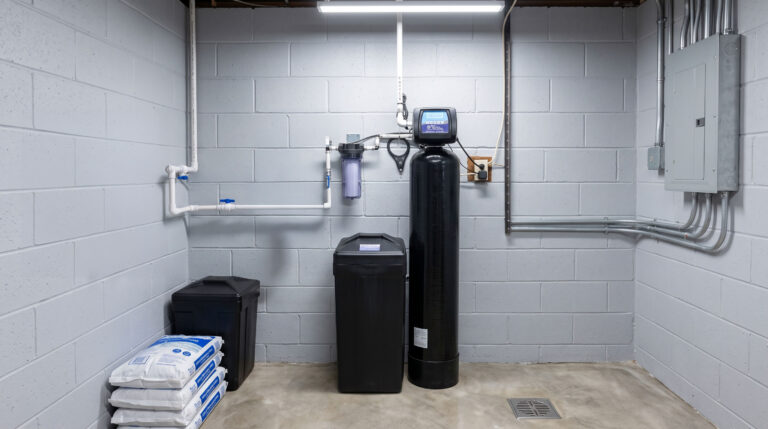
If bacteria show up, a UV filtration system is often the right answer. UV systems use ultraviolet light to neutralize bacteria and viruses without adding any chemicals to your water. They are quiet, low-maintenance, and highly effective. Our guide to understanding ultraviolet treatment covers how they work.
High iron levels call for a dedicated iron filtration system. These systems remove dissolved and particulate iron before it reaches your fixtures, protecting your plumbing and eliminating that familiar rust staining on fixtures and laundry.
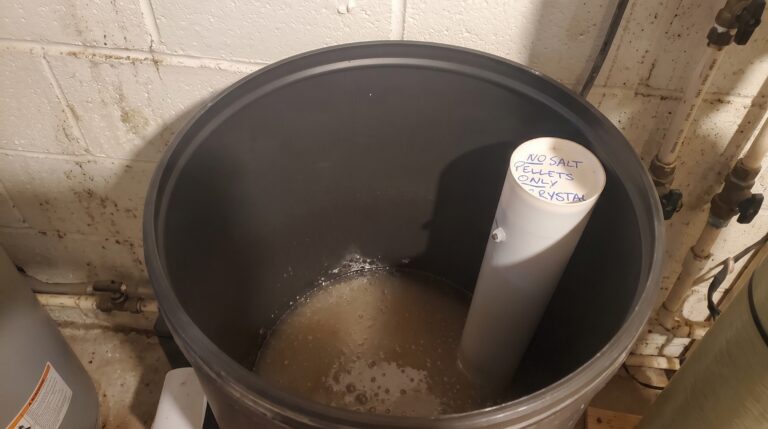
Hard water responds well to a water softener, which uses a process called ion exchange to replace calcium and magnesium with sodium. Softer water extends the life of your water heater, dishwasher, and pipes — and the difference in how your skin and hair feel after showering is noticeable. See our article on how a water softener protects your water heater for the long-term payoff.
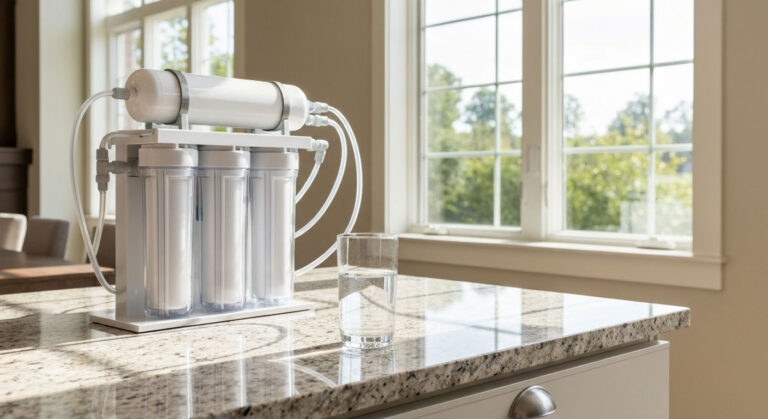
If PFAS or other chemical contaminants are a concern, a reverse osmosis system at the kitchen tap is one of the most effective options available. Reverse osmosis forces water through a semi-permeable membrane that removes a wide range of contaminants including PFAS, nitrates, and heavy metals. Our article on how to remove PFAS and PFOS from Doylestown water covers the specifics for this area.
For sulfur — that rotten-egg smell some well owners in New Britain and Buckingham Township know all too well — a sulfur filtration system addresses the problem at the source. Our article on rotten egg smell in your water explains what causes it and what actually works.
How Dierolf Plumbing and Water Treatment Can Help
Dierolf Plumbing and Water Treatment serves homeowners throughout Doylestown, Doylestown Township, New Britain, Chalfont, Buckingham Township, Plumstead Township, and the broader central Bucks County area. The team includes licensed master plumbers who handle everything from the initial water test through the installation and service of the right treatment system for your specific results.
This is not about selling you equipment you don’t need. It’s about knowing what is actually in your water, understanding what that means for your family, and having a local team ready to act on it. With summer approaching and household water use climbing, there is no better time to get a clear picture of your well’s condition.
If you are thinking ahead to the warmer months, our article on preparing your plumbing for summer pairs well with a spring water test.
Schedule Your Free Water Analysis
Ready to find out what’s in your Doylestown well water? Dierolf Plumbing and Water Treatment offers free in-home water analyses for homeowners throughout central Bucks County. One of our licensed water treatment specialists will come to your home, collect a water sample, and walk you through the results — no pressure, no obligation, just honest information about your water.
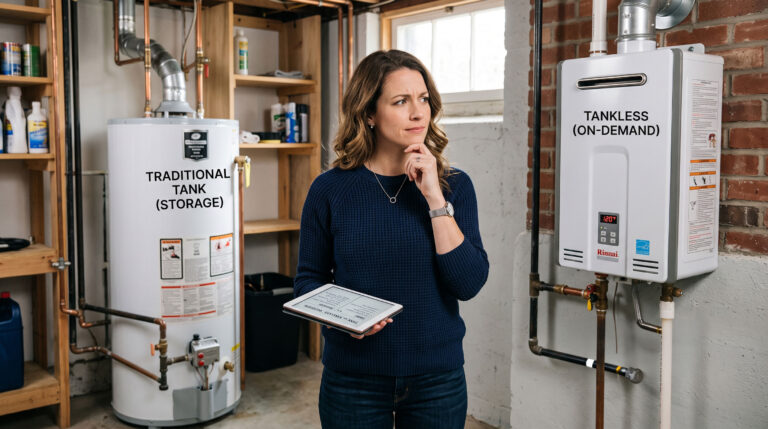
Fill out the form below to schedule your free in-home water analysis. The same form also works if you’d like to talk with us about a water heater replacement or a tankless water heater upgrade — we handle both, and spring is a great time to evaluate your hot water system before the heavier demand of summer.
FAQs
How often should I test my private well water in Doylestown?
The EPA recommends testing at least once a year. May is an ideal window for Doylestown homeowners because it follows the seasonal changes — snowmelt, heavy rain, saturated soil — that most affect groundwater quality in central Bucks County. If your well is older or near agricultural land, testing twice a year is worth considering.
What contaminants are most common in Doylestown area well water?
Iron, hardness minerals (calcium and magnesium), coliform bacteria, nitrates, and PFAS are among the most frequently found contaminants in private wells across Doylestown Township, New Britain, Buckingham, and surrounding communities. The limestone geology of central Bucks County contributes naturally to hardness and iron. Proximity to farms increases nitrate risk. PFAS has been documented in Bucks County groundwater near certain industrial and military-adjacent sites. A professional test tells you exactly which, if any, are present in your water.
Can I use a home test kit instead of a professional test?
Home test kits are useful for a quick snapshot, but they check a limited number of parameters and don’t measure contaminant levels with the precision needed to make sound treatment decisions. A professional water testing and analysis service gives you accurate, quantitative results — and someone who can explain what the numbers actually mean for your household.
My water looks and tastes fine. Do I still need to test it?
Yes. Many of the contaminants most common in Bucks County wells — including coliform bacteria, nitrates, and PFAS — have no taste, odor, or color at dangerous levels. Iron is one of the few contaminants you can actually see and taste before it becomes a serious problem. For everything else, testing is the only way to know.
What does a water test cost, and is it worth it?
Costs vary depending on the number of parameters tested. Given that the results inform decisions about your family’s drinking water and your home’s plumbing, most homeowners in Doylestown find it a worthwhile investment. Dierolf offers a free in-home water analysis — fill out the form above or visit our water testing page to get started.
How long does a professional water test take?
Sample collection at your home typically takes less than an hour. Lab results usually come back within a few business days. After that, a Dierolf water treatment specialist can walk you through what the numbers mean and what, if anything, should be addressed.
What should I do if my test results come back with elevated contaminants?
Don’t panic. Most contaminants found in central Bucks County well water have clear, well-established treatment options. Depending on what the test finds, solutions may include a UV filtration system, an iron filter, a water softener, a reverse osmosis system, or some combination. A licensed Dierolf professional will match the right treatment to your specific results — nothing more, nothing less.
My well has been fine for years. Why would something change now?
Groundwater conditions are not static. Land use changes around Doylestown — new development, changes in agricultural activity, aging septic systems in older neighborhoods — all affect what reaches your water table. Well casings and seals also degrade over time. Annual testing is the only reliable way to track whether conditions have shifted, especially after a heavy spring like the ones central Bucks County regularly sees.