
Buying a home with a private well in Bucks County is exciting. It’s also one of the few moments in a real estate transaction where the stakes are genuinely high, and where most buyers don’t ask nearly enough questions.
Unlike a house on public water in Doylestown Borough or Lansdale, a private well means you are the water utility. No authority is monitoring it. No annual report lands in your mailbox. What comes out of your tap is entirely your responsibility once you get the keys.
The good news: most well water problems are fixable. But you want to know about them before closing, not six months later when you’re already living there. Here are the ten things every Bucks County homebuyer should check before they sign.
In This Article
- Why Well Water Due Diligence Matters in Bucks County
- 1. Order a Comprehensive Water Test Before You Sign Anything
- 2. Check for Coliform Bacteria and E. coli
- 3. Test for PFAS Contamination
- 4. Measure Iron and Manganese Levels
- 5. Assess Water Hardness
- 6. Test for Nitrates, Especially Near Farmland
- 7. Inspect the Well Pump and Pressure Tank
- 8. Confirm the Well Casing and Cap Are in Good Shape
- 9. Ask About the Well’s Age and Drilling Records
- 10. Know What Treatment Systems Are Already Installed
- What to Do with Your Results
- Schedule Your Pre-Purchase Water Analysis
- FAQs
Why Well Water Due Diligence Matters in Bucks County
A large portion of Bucks County homes rely on private wells, especially outside the borough cores. Townships like Buckingham, Plumstead, New Hope, Solebury, Tinicum, and Bedminster all have substantial well-dependent housing stock. And the geology of this part of Pennsylvania makes water quality genuinely unpredictable. Two houses on the same road can pull from very different aquifers and have completely different water profiles.
The Pennsylvania Department of Environmental Protection does not routinely monitor private wells. A well can pass a basic real estate inspection while still carrying contaminants that affect your family’s health. Buyers who skip thorough testing often find out about problems after they’ve moved in, at which point their options are narrower and the costs are entirely theirs.
1. Order a Comprehensive Water Test Before You Sign Anything
A standard real estate water test covers the basics: coliform bacteria, a couple of other indicators, and not much else. It satisfies the lender’s checkbox. It does not tell you what you actually need to know before committing to a home.
For a home purchase, ask for a comprehensive panel. You want bacteria, heavy metals, hardness, pH, nitrates, volatile organic compounds, and PFAS at minimum. That gives you a full baseline before you’re legally obligated.
Dierolf Plumbing and Water Treatment offers water testing and analysis specifically designed for homebuyers and real estate transactions throughout Bucks County and surrounding communities. The testing is designed to give you information you can actually use at the negotiating table.
Buying a Home with a Well in Bucks County?
Get a comprehensive pre-purchase water analysis from experienced local water specialists before you close.
2. Check for Coliform Bacteria and E. coli
Coliform bacteria are the most commonly detected problem in private wells across Bucks County and southeastern Pennsylvania. Total coliform is a broad indicator that something has gone wrong. E. coli specifically points to fecal contamination, which is a serious health concern that requires immediate action.
These bacteria enter wells through surface runoff, cracked casings, and poorly sealed caps. They’re invisible and odorless. You will not taste them. You will not smell them. You won’t know they’re there without testing.
3. Test for PFAS Contamination
PFAS, or per- and polyfluoroalkyl substances, are synthetic chemicals that have been detected in groundwater across parts of Bucks County. They’re often called “forever chemicals” because they don’t break down easily in the environment or in the human body.
The EPA established enforceable maximum contaminant levels for several PFAS compounds in 2024. If you’re buying anywhere near Warminster, Warrington, Horsham, or other communities with documented PFAS history from military or industrial activity, this test is not optional.
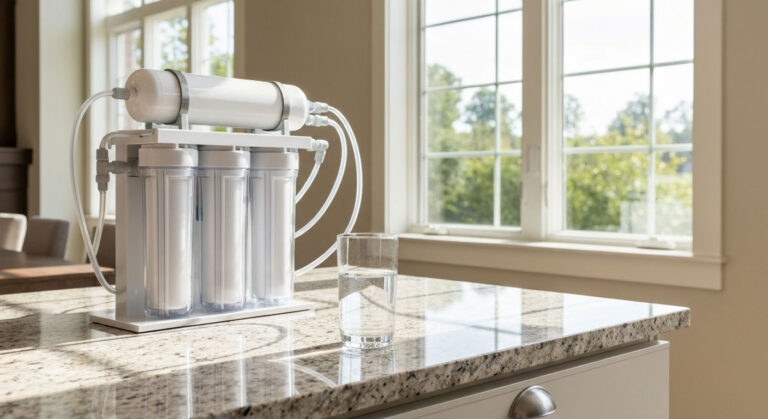
If levels come back elevated, a reverse osmosis system is one of the most effective treatment solutions available. Dierolf installs and services reverse osmosis systems throughout Bucks County, including in communities like New Hope, Newtown, Doylestown, and Quakertown.
You can read more about how PFAS enters your water and what homeowners can do in our guide: How Do Forever Chemicals Get in Your Drinking Water?
4. Measure Iron and Manganese Levels
Iron is one of the most common water quality issues in Bucks County well water. You might notice it as rust-colored staining in sinks and tubs, a metallic taste, or orange-tinted water coming out of the tap. It can also make your laundry look dingy and clog fixtures over time.
Manganese presents similarly and carries its own health concerns at elevated levels, particularly for young children. Both show up regularly in well water across townships like Bedminster, Springfield, and Hilltown.
Both are treatable. Iron filtration systems can remove iron effectively. Knowing the levels before closing also tells you whether any existing treatment equipment on the property is actually handling the problem or just masking it.
For a deeper look: How to Remove Manganese from Well Water in Southeastern Pennsylvania
5. Assess Water Hardness
Hard water contains elevated concentrations of dissolved calcium and magnesium, measured in grains per gallon (GPG). Well water across Bucks County tends to run hard, and homes in areas like Perkasie, Sellersville, and Chalfont are no exception.
| Hardness Level | GPG Range | Concern Level |
|---|---|---|
| Soft | 0 to 1 GPG | None |
| Slightly Hard | 1 to 3.5 GPG | Minor |
| Moderately Hard | 3.5 to 7 GPG | Noticeable |
| Hard | 7 to 10.5 GPG | Significant |
| Very Hard | 10.5+ GPG | Serious |
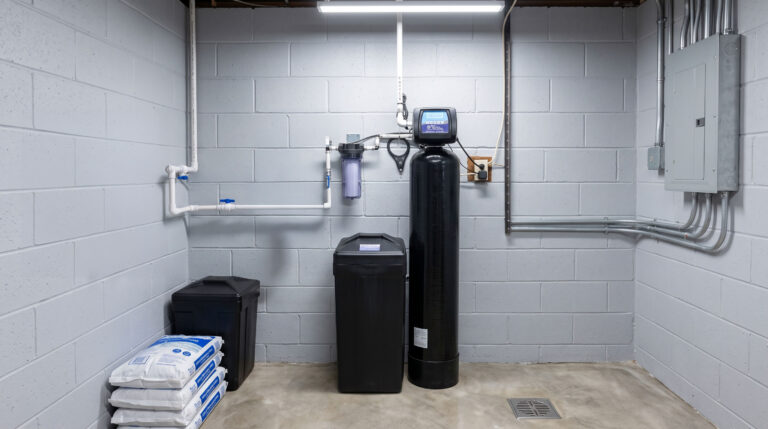
Hard water won’t make you sick, but it does shorten the life of water heaters, gradually clogs pipes, and leaves scale on fixtures, dishes, and glass. If the home doesn’t already have a water softener, factor installation into your offer. It’s a worthwhile investment for your plumbing, your appliances, and your daily life.
Not sure what a water softener actually does? Start here: How a Water Softener Works: A Homeowner’s Guide
6. Test for Nitrates, Especially Near Farmland
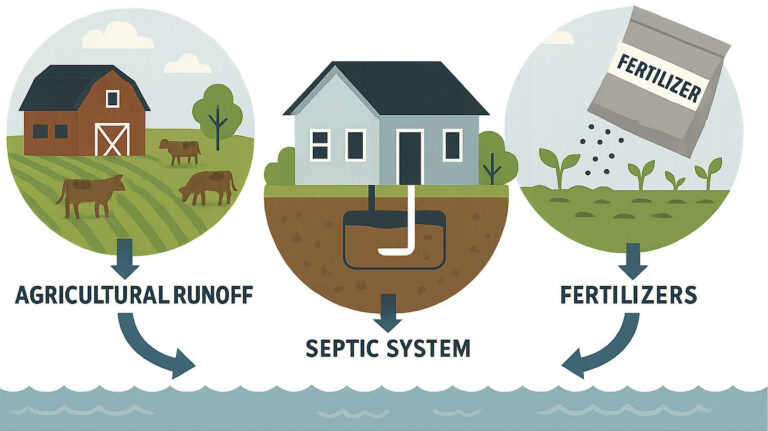
Bucks County has deep agricultural roots. Townships like Hilltown, Haycock, Nockamixon, and Durham still have active farmland sitting alongside residential properties, and that matters for well water quality. Nitrates enter groundwater through fertilizer runoff and septic leach fields, both of which are common in this part of Pennsylvania.
High nitrate levels are especially dangerous for infants and pregnant women. The EPA sets the maximum contaminant level at 10 mg/L. If your test comes back elevated, a reverse osmosis system at the kitchen tap is typically the most practical fix. It’s targeted, effective, and doesn’t require treating the whole house.
7. Inspect the Well Pump and Pressure Tank
A water quality test tells you what’s in the water. A well inspection tells you whether the system delivering that water is in good shape. These are two different things, and you need both.
The pump and pressure tank are the mechanical core of any private well, and they don’t last forever. A failing pump can give out without warning, leaving you without water at the worst possible time. A waterlogged pressure tank causes the pump to short-cycle, wearing it out far faster than it should.
Dierolf Plumbing and Water Treatment provides well pump and pressure tank services and can assess the condition of these components as part of a pre-purchase inspection. If the pump is aging or the tank is waterlogged, knowing before closing gives you room to negotiate or require repairs.
8. Confirm the Well Casing and Cap Are in Good Shape
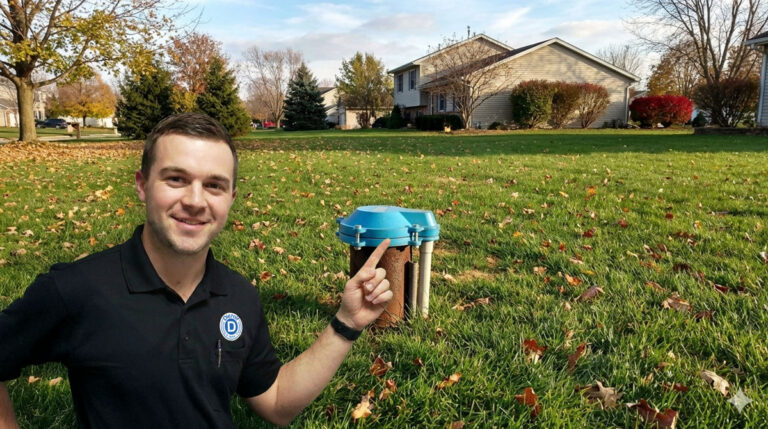
The well casing is the pipe that lines the borehole and keeps surface water and soil from getting into your water supply. The cap sits on top and blocks insects, debris, and runoff. Both need to be intact and properly sealed.
A cracked or corroded casing is a direct pathway for contaminants to enter the well. When you’re at the property, look for visible rust, gaps, or any signs of settling around the wellhead. A missing or improperly fitted cap is an immediate red flag and should be resolved before the keys change hands.
9. Ask About the Well’s Age and Drilling Records
Pennsylvania requires drillers to file well records with the DEP, and you can request those records to learn the well’s depth, construction details, and drilling date. Older wells, particularly those drilled before modern standards were established, may have shallower depths or outdated casing materials that affect both safety and longevity.
Knowing the well’s age helps you anticipate maintenance needs and understand what the system can realistically handle. If records aren’t available, a professional well inspection can evaluate the system and give you a practical read on its condition and remaining service life.
You can search for PA well records through the DEP’s Well Information System.
10. Know What Treatment Systems Are Already Installed
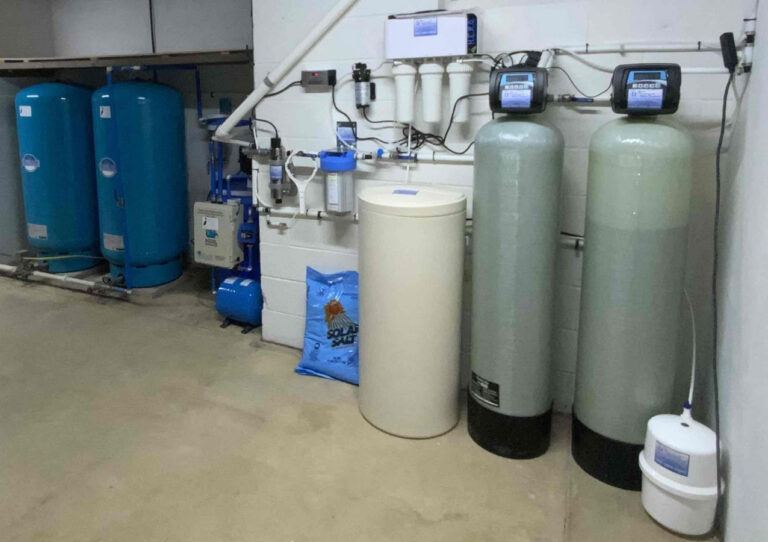
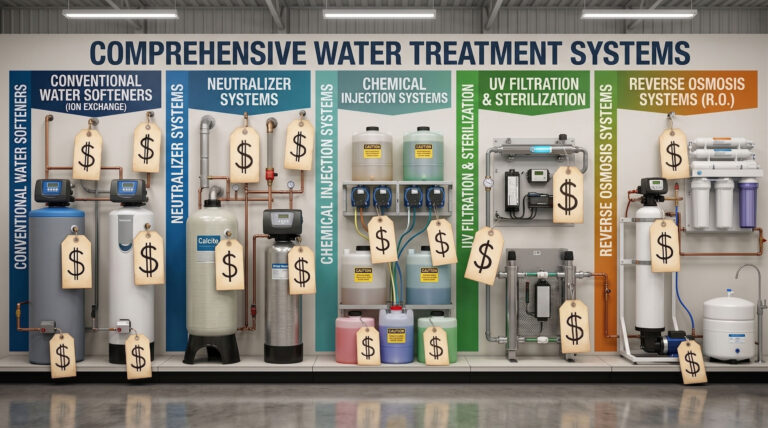
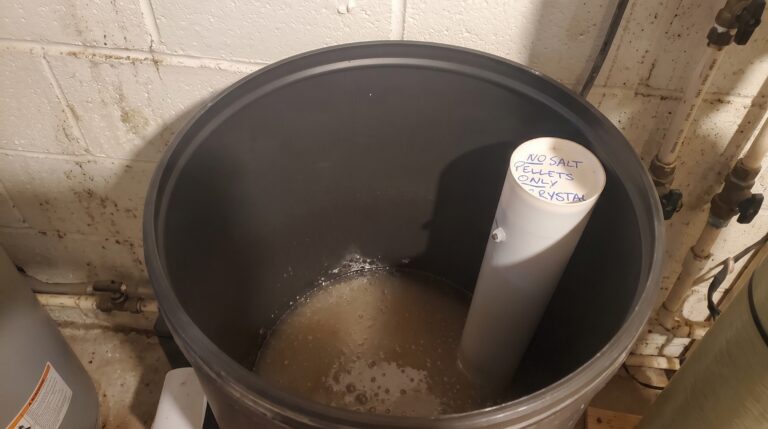
Many homes with wells already have some form of water treatment in place: a softener, a sediment filter, an iron filter, or a UV disinfection system. Before closing, find out exactly what’s installed, how old each piece of equipment is, and when it was last serviced.
Neglected treatment systems can create problems rather than solve them. An old carbon filter with expired media, for example, can become a breeding ground for bacteria rather than a line of defense against it. Ask for service records and have any existing equipment professionally evaluated.
Water Softener
When was it installed? Is it salt-based? When was it last serviced? Is the resin bed still effective?
UV System
How old is the lamp? UV lamps typically need replacement annually. An expired lamp offers no protection.
Iron Filter / Sediment Filter
When were media or cartridges last replaced? Clogged filters can actually reduce water quality rather than improve it.
For a sense of what ongoing maintenance looks like once you move in, Dierolf’s guide to your annual well water check-up is a practical starting point.
Dierolf regularly runs promotions on water testing and treatment services for homebuyers. Check current offers before you schedule.
What to Do with Your Results
Once you have your test results, you’re in a much stronger position no matter what they show. Clean water and a sound mechanical system? Close with confidence. Problems? You have real options.
Ask the seller to install treatment — if contamination is detected, you can require that a treatment system be in place before closing.
Request a price reduction — if treatment is needed but the seller won’t install it, a credit toward the cost is a reasonable ask.
Require repairs before closing — mechanical issues with the pump, tank, casing, or cap should be addressed by the seller as a condition of sale.
Walk away with information — if problems are significant and the seller won’t negotiate, you’re now in a position to make that call before you’re legally committed.
The value of testing at this stage goes beyond your family’s health. It protects your investment and eliminates expensive surprises after you get the keys. Dierolf Plumbing and Water Treatment works with homebuyers throughout Bucks County, including in communities like Doylestown, New Hope, Newtown, Quakertown, Perkasie, Sellersville, and the surrounding townships. Whether you need a pre-purchase water test, a full well inspection, or a treatment system ready before move-in, our experienced service technicians can help you close with confidence.
Explore our real estate water testing and well inspection services to learn what we offer for homebuyers specifically.
💧 Know your water before you close — no obligation, no pressure, just answers.
Schedule Your Free Pre-Purchase Water Analysis
Fill out the form below and one of our experienced service technicians will reach out to schedule your water test or well inspection at a time that works for you.
Ready to Know What’s in Your Well Water?
Our comprehensive pre-purchase water testing and well inspections serve Bucks County homebuyers from Doylestown to Quakertown, New Hope to Perkasie, and everywhere in between.
Frequently Asked Questions
What does a water test for a home purchase in Bucks County typically include?
A basic real estate test usually covers total coliform bacteria, E. coli, nitrates, and pH. For a complete picture, ask for a comprehensive panel that also includes hardness, iron, manganese, lead, PFAS, and volatile organic compounds. Dierolf’s water testing and analysis service covers the full range of parameters relevant to Bucks County well water.
Is water testing required when buying a home with a well in Pennsylvania?
Pennsylvania doesn’t legally require private well testing for all real estate transactions, but most mortgage lenders require at least a basic water quality test. Even when it isn’t required, a comprehensive test is strongly recommended for your family’s health and your own peace of mind before you commit to the purchase.
How long does it take to get water test results back?
It depends on the lab and the number of parameters tested. Basic bacterial results often come back within 24 to 48 hours. More comprehensive panels, including PFAS testing, can take one to two weeks. Plan your testing timeline so results are in hand before your inspection contingency deadline.
What happens if the water test comes back with problems?
Elevated contaminant levels give you grounds to negotiate. You can ask the seller to install a treatment system, reduce the purchase price to cover treatment costs, or require that the issue be addressed before closing. Your real estate attorney can help you structure that conversation based on what the results show. To schedule your pre-purchase water test, fill out the form above.
What is the most common water problem found in Bucks County well water?
Iron, hardness, and bacterial contamination are among the most frequently encountered issues in this part of Pennsylvania. PFAS is also a documented concern in parts of Bucks County, particularly near communities like Warminster and Warrington with a history of military or industrial activity. You can read more in our guide: Is Your Well Water Making You Sick?
How often should a private well be tested after I move in?
The Pennsylvania DEP recommends testing at least once a year for bacteria and nitrates, with more comprehensive testing every three to five years, or after nearby land use changes, flooding, or significant plumbing work on the property. Dierolf’s guide to annual well water check-ups covers what to expect from ongoing maintenance once you’re settled in.
Does Dierolf Plumbing and Water Treatment serve my area in Bucks County?
Yes. Dierolf Plumbing and Water Treatment serves homebuyers and homeowners throughout Bucks County, including Doylestown, New Hope, Newtown, Quakertown, Perkasie, Sellersville, Chalfont, Buckingham, Plumstead, Hilltown, Bedminster, Tinicum, and surrounding townships. To get started, fill out the form above or visit dscwater.com/.