If your dishes come out of the dishwasher with white spots, your shower doors never seem fully clean, or your skin feels dry after bathing, hard water may be affecting your home.
That is a common issue across southeastern Pennsylvania. Many local homeowners, especially those on private wells, deal with elevated levels of calcium and magnesium in their water. Even homes on municipal water can experience enough hardness to create scale buildup, reduce soap performance, and shorten the life of appliances.
A water softener is designed to solve that specific problem. In this guide, we will explain what a water softener does, how it works, what hard water is doing inside your home, and how to tell whether softening is the right next step.
What Is Hard Water?
Hard water is water that contains a high concentration of dissolved minerals — mainly calcium and magnesium. As groundwater moves through soil and rock, it naturally picks up minerals. In areas with mineral-rich geology, that process leads to harder water, which is why it is so common in Pennsylvania.
Homes throughout Bucks County, Montgomery County, Chester County, Berks County, and Lehigh County regularly deal with noticeable hardness issues. Water hardness is usually measured in grains per gallon (GPG).
| Classification | Grains Per Gallon (GPG) | Concern Level |
|---|---|---|
| Soft | Less than 1 GPG | None |
| Slightly hard | 1 – 3.5 GPG | Minimal |
| Moderately hard | 3.5 – 7 GPG | Noticeable |
| Hard | 7 – 10.5 GPG | Significant |
| Very hard | More than 10.5 GPG | High — action recommended |
What Hard Water Does to Your Home
Hard water is usually not considered a direct health hazard, but it creates real problems for plumbing systems, fixtures, cleaning, and daily comfort.

Scale buildup in plumbing and appliances
When hard water is heated or evaporates, minerals are left behind. That residue forms scale inside water heaters, pipes, dishwashers, washing machines, and fixtures. Over time, that buildup can reduce efficiency, restrict flow, and contribute to earlier equipment failure.
Soap that does not work the way it should
Hard water reacts with soap and detergent. That often means using more soap, more shampoo, and more detergent without getting better results. It also leads to soap scum on showers, tubs, sinks, and dishes.
Dry skin and dull hair
Many homeowners notice that bathing in hard water leaves skin feeling tight, dry, or irritated. Hair may also feel less clean, less soft, and harder to manage.
Spots on dishes and glassware
If your dishes come out of the dishwasher looking cloudy or spotted, hard water is often the culprit. The issue is not usually the detergent — it is the mineral content drying on the surface.
Staining around fixtures
White residue, crusty faucet buildup, and stubborn rings in toilets or tubs are common signs of mineral-heavy water. These are visible warnings of the same scaling that may be happening out of sight inside your plumbing.
What Is a Water Softener?
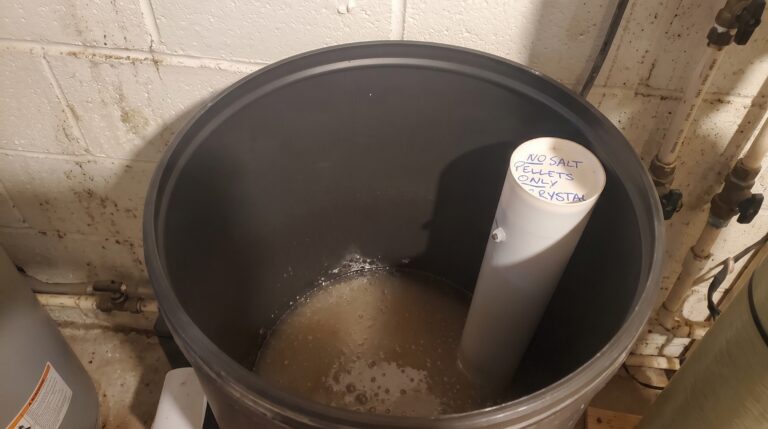
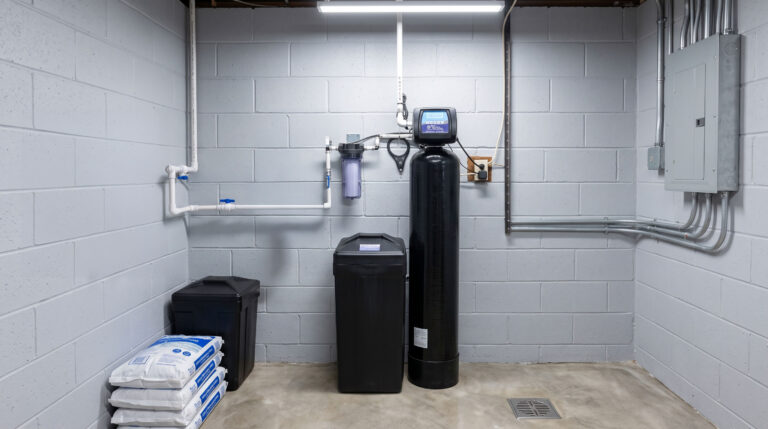
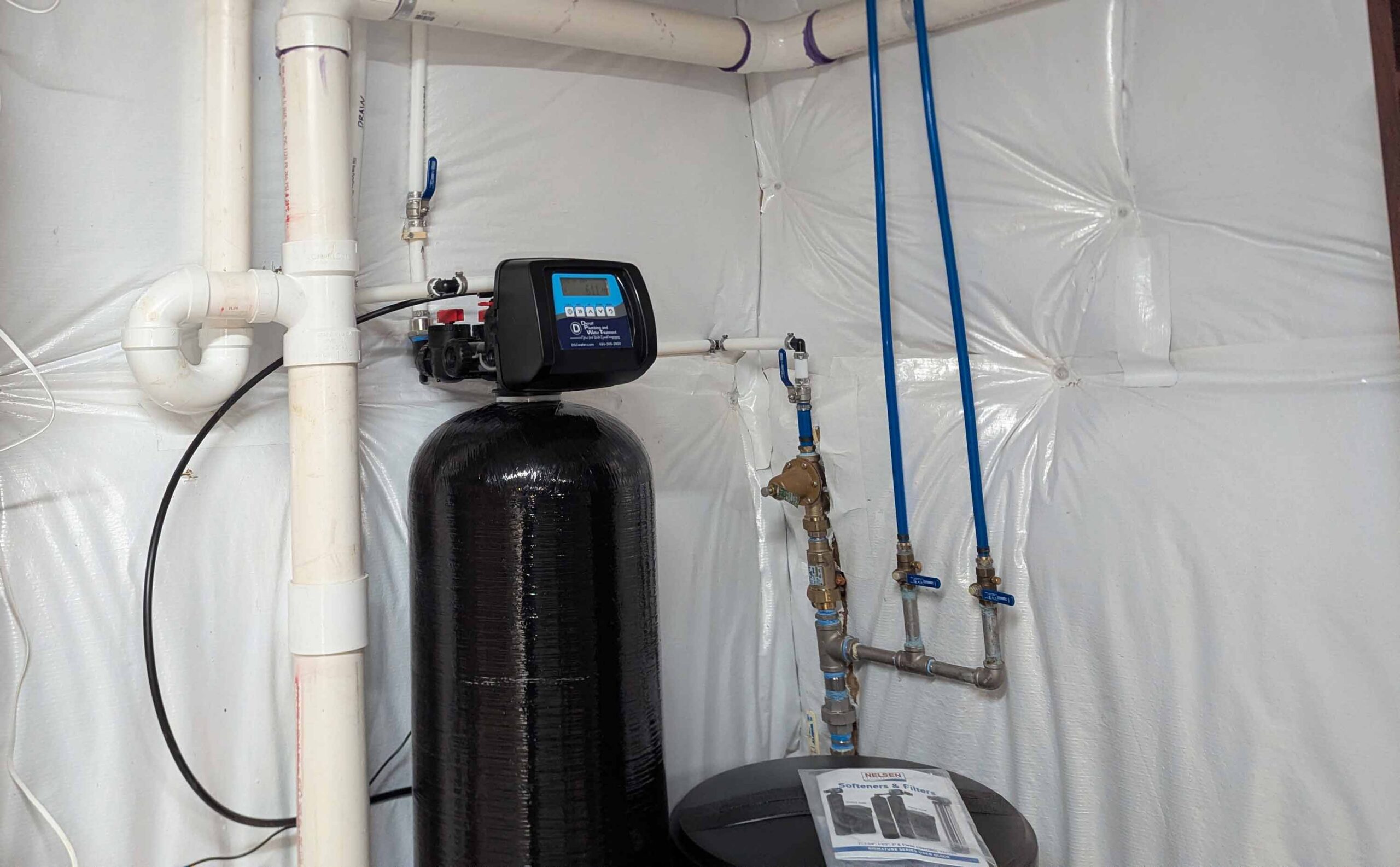
A water softener is a whole-home water treatment system that removes the minerals responsible for water hardness. Most residential softeners use a process called ion exchange. The system captures calcium and magnesium and replaces them with sodium ions, which prevents those hardness minerals from continuing through the plumbing system.
The result is water that is much less likely to leave scale behind, interfere with soaps, or damage appliances over time.
How Does a Water Softener Work?
What a Water Softener Does Not Do
A water softener treats one specific issue: hardness. It does not automatically remove other contaminants. That is why water testing matters before any treatment recommendation is made.
Do You Need a Water Softener?
The best answer depends on your water test results and the symptoms you are seeing at home.
Signs a water softener may be a good fit
Signs you may need a different solution or a combination system
Why Water Testing Comes First
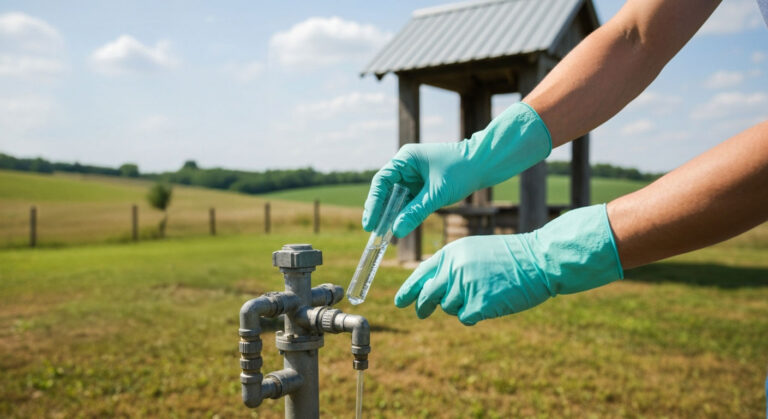
The most effective water treatment recommendations start with facts, not guesswork. A professional water test can identify hardness level, pH, iron, manganese, bacteria, nitrates, and other water quality issues that affect treatment decisions.
This is especially important for private well owners. Unlike municipal water, well water is not treated before it reaches the home — and conditions can vary significantly from one property to another. If you are on a private well in Pennsylvania and have never had your water professionally tested, that is one of the most important steps you can take.
Pennsylvania Water Conditions Are Not One-Size-Fits-All
Water quality is highly local. In southeastern Pennsylvania, hardness is often only part of the story. Depending on the home and water source, there may also be issues with iron, manganese, low pH, odor, or other contaminants. The right equipment depends on what is actually in your water, how much water your household uses, and whether the home is on well water or municipal supply.
This is also why a generic big-box recommendation often falls short. Proper sizing, correct application, and local knowledge matter.
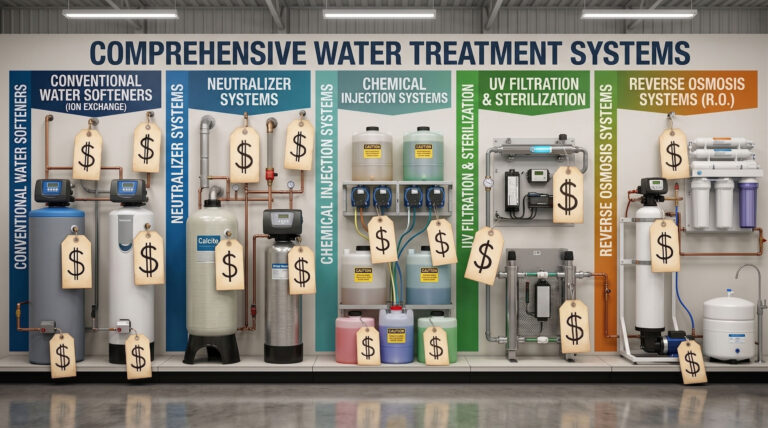
Types of Water Softeners
Salt-based ion exchange
The most effective systems for truly removing hardness minerals. When homeowners talk about installing a water softener, this is almost always what they mean.
Salt-free conditioners
Do not remove hardness minerals — instead they reduce scale formation. May be worth considering in some situations, but do not perform the same way as a true softener.
Dual-tank systems
For larger homes or very hard water conditions. Provides continuous soft water even while one tank is regenerating.
Combination treatment systems
Some homes need more than softening alone. These pair a softener with filtration to address hardness plus iron, odor, or other concerns simultaneously.
What to Expect From Water Softener Installation
A professional installation usually includes:
Water testing — establishes your baseline hardness and identifies any other issues to address
Sizing the system correctly — depends on household usage, hardness level, and iron content
Installing near the main water line — ensures all water throughout the home is treated
Programming regeneration settings — demand-initiated systems adjust to actual usage
Confirming proper operation — verified after installation with a full walkthrough
Ongoing maintenance is usually straightforward. Most salt-based systems require occasional salt refills and periodic service to keep the system performing properly over time.
How Much Does a Water Softener Cost?
Pricing depends on system type, household size, hardness level, installation conditions, and whether additional treatment is needed beyond softening. The lowest-priced option is not always the best value — a system that is undersized, poorly installed, or not matched to your water chemistry may underperform and cost more over time.
Why Homeowners Choose Dierolf
At Dierolf Plumbing and Water Treatment, we help homeowners across southeastern Pennsylvania get clear answers about their water and the right solution for their home. Our 5-star Google reputation was built on serving people well.
We do not believe in one-size-fits-all recommendations. We start with testing, explain what the results mean, and help you understand whether a water softener makes sense on its own or as part of a larger water treatment system.
Schedule Your Water Test Today
Professional water testing and customized treatment recommendations for homeowners throughout southeastern Pennsylvania. Know exactly what’s in your water — and what to do about it.
Frequently Asked Questions
Is hard water bad for you?
Hard water is generally not considered harmful to drink. However, it can create scaling inside plumbing and appliances, make cleaning more difficult, cause dry skin and dull hair, and shorten the life of water-using equipment in your home.
How do I know if I need a water softener?
Common signs include white or chalky buildup on faucets and showerheads, cloudy dishes, dry skin after showering, soap that doesn’t lather well, and repeated scale-related appliance issues. A professional water test is the best way to know for sure — it measures actual hardness levels and rules out other water quality concerns.
Does a water softener remove contaminants?
No. A water softener treats hardness — it removes calcium and magnesium through ion exchange. It does not automatically remove bacteria, chlorine, nitrates, sediment, iron, PFAS, or many other contaminants. If those are present in your water, additional treatment will be needed.
Is hard water common in Pennsylvania?
Yes. Hard water is very common in Pennsylvania, especially in areas with mineral-rich geology and in homes on private wells. Counties including Bucks, Montgomery, Chester, Berks, and Lehigh regularly see elevated hardness levels — but water quality is highly local, and even nearby homes can have different readings depending on the water source.
What is the first step before buying a water softener?
Start with a professional water test. That will confirm whether hardness is actually the primary issue and identify any other water quality concerns that should be addressed at the same time. Proper sizing and the right equipment configuration depend on what is actually in your water — not on a generic box-store recommendation.
💧 Not sure what’s in your water? Find out for free — no obligation, no pressure.
Get Your Free Professional Water Test
Fill out the form below and a Dierolf water specialist will reach out to schedule your in-home water analysis at no cost to you.