Public water is something most homeowners take for granted, until they start wondering what’s really in their tap water, how it’s treated, and whether it’s safe for their family and plumbing. In Doylestown, Pennsylvania residents receive drinking water from local municipalities that are regulated under state and federal drinking water laws, but there are still common questions about water quality, contaminants, treatment options, pressure, and maintenance. This article answers the 10 questions residents search for most about public water in the area, with clear, local information and helpful resources.
1. Who Provides Public Water Service in Doylestown, PA?
In the Borough of Doylestown, drinking water is provided by the Doylestown Borough Water Department, which serves residents in and around the borough.Nearby, Doylestown Township is served by the Doylestown Township Municipal Authority (DTMA), which supplies water from a system of deep wells and interconnected resources.
Why this matters:
Knowing your water provider is the first step in finding your annual water quality report or contacting the utility for specific questions.
2. Where Does Doylestown’s Public Water Come From?
The water supplied by the Doylestown Borough Water Department comes from groundwater sources, meaning it’s drawn from underground aquifers and treated before distribution.Meanwhile, DTMA’s supplies are also groundwater but are interconnected with several nearby systems for redundancy and capacity support.
Important distinction:
Groundwater typically has different mineral profiles than surface water, often contributing to hard water issues that many local homeowners notice.
3. How Can I Find Doylestown’s Water Quality Report?
Every community water system must produce an annual Consumer Confidence Report (CCR), a water quality summary that includes source information, contaminant test results, and compliance with drinking water regulations.You can view these CCRs online at the Borough or Township water department websites, or request a copy directly from the water utility.
Tip for residents:
Reviewing water quality reports can be confusing. Understanding the difference between Maximum Contaminant Levels (MCLs) and Maximum Contaminant Level Goals (MCLGs) helps clarify what is legally acceptable versus what would be ideal without cost or logistical limits. Our water quality experts are always happy to review your results and explain exactly what is in your water.
4. Are PFAS “Forever Chemicals” a Concern Here?
PFAS, a group of persistent industrial chemicals as known as “forever chemicals”, are a growing concern nationally and locally because they don’t break down easily in the environment.Doylestown’s water systems have evaluated PFAS presence and are working on treatment planning as regulations evolve. The Borough commissioned independent studies to assess the best mitigation technologies for its wells.
Regulatory context:
The EPA and Pennsylvania DEP continue updating PFAS health advisories and maximum contaminant levels (MCLs), so local water departments monitor these chemicals and report findings in CCRs. You can learn more about removing PFAS from your water in this article
5. Can Public Water Still Contain Lead or Other Contaminants?
Yes, even when public water meets legal standards, trace contaminants like lead can still be present, especially if your plumbing fixtures or service lines contain lead. EPA rules mandate testing for lead and copper, and compliance is reported in CCRs.
Local insight:
Reports indicate compliance with state and federal standards, but water quality data also shows detections of certain contaminants at levels above some independent health guidelines, even if they meet regulatory limits.
High-authority reference:
For official drinking water standards and guidance on lead best practices, see the EPA’s Lead and Copper Rule.
6. Why Does Doylestown’s Water Sometimes Taste or Smell Like Chlorine?
Municipal water systems use disinfectants like chlorine to kill bacteria and protect public health. That chlorine can sometimes be noticeable at the tap, especially after system flushing or seasonal adjustments. EPA provides an overview of drinking water disinfection practices and why this occurs.
Tip for homeowners:
Use activated carbon filters or point-of-use systems to reduce chlorine taste without compromising safety.
7. Is Doylestown’s Water Hard?
Hard water, or water high in calcium and magnesium, is common in much of Bucks County because groundwater travels through limestone and other mineral-rich rock formations.Hard water doesn’t pose a safety risk, but it can cause scale buildup in plumbing, reduce soap effectiveness, and shorten the life of appliances.
Solution:
Water softening systems are a common option for homeowners dealing with hard water.
8. Why Is My Water Pressure Inconsistent?
Fluctuating water pressure can be caused by several factors, including:
- Local infrastructure or main breaks
- Peak household usage times
- Pressure regulator issues inside the home
Your water bill or utility website may note scheduled maintenance or service upgrades that can temporarily affect pressure.
9. How Do Water Bills and Charges Work in Doylestown?
The Doylestown Borough Water Department uses a tiered billing structure, a base rate based on meter size plus usage charges for water beyond a certain threshold.These charges help fund both daily operations and capital improvements, including infrastructure upgrades and emerging contaminant programs.
10. Do I Still Need Additional Water Treatment at Home?
Public water systems are designed to meet minimum health standards, but homeowners may choose extra treatment for:
- Better taste and odor control
- Removal of specific contaminants (PFAS, lead, nitrates)
- Hard water correction
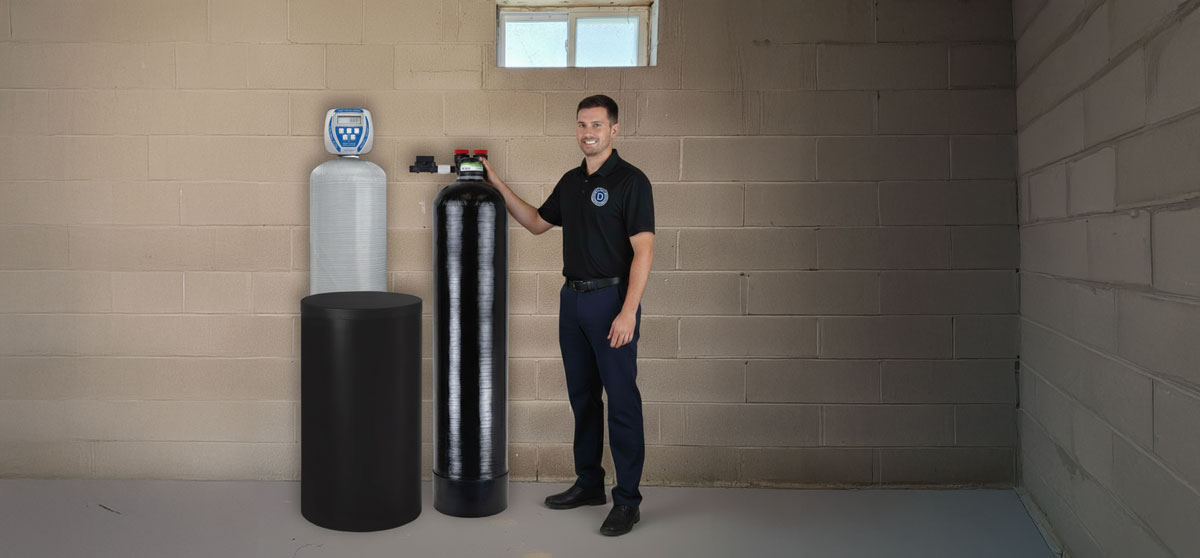
High-quality point-of-use filters or whole-home systems can help tailor your water quality to your preferences and needs.
Conclusion — Taking Control of Your Water in Doylestown
Understanding your public water system helps you make more informed decisions about your water quality and home’s needs. From reviewing your Consumer Confidence Report to considering supplemental treatment for hardness or specific contaminants, the best approach starts with knowing what’s in your water and what matters most to your household.
Next steps:
- Review the latest CCR from your water provider.
- Schedule professional water testing to assess issues like hardness, nitrates, or trace contaminants.
- Consult one of our local water specialists for treatment options tailored to your home.
👇 Ready to find out what is in your water? Please fill out the form below to get started.