If you have ever heard the term “forever chemicals” and wondered how they could possibly end up in your drinking water, you are not alone. Many homeowners assume water contamination only comes from aging pipes or obvious pollution sources. In reality, some of the most persistent contaminants enter water quietly, spread slowly, and remain long after their original source is gone.
Forever chemicals, formally known as PFAS, are one of the most widespread and misunderstood water contaminants in the United States, and they especially prevalent in Bucks, Berks, and Montgomery Counties. Understanding how they get into water is the first step toward protecting your home and your health.
What Are Forever Chemicals (PFAS)?
PFAS stands for per- and polyfluoroalkyl substances. This large group of man-made chemicals has been used since the 1940s to make products resistant to heat, water, oil, and stains. These same properties also make PFAS extremely persistent in the environment.
They are often called “forever chemicals” because they do not naturally break down. Once released, they can remain in soil, groundwater, surface water, and the human body for decades.
According to the U.S. Environmental Protection Agency, PFAS contamination has been identified in drinking water systems across the country, including both public water supplies and private wells.
The Main Ways Forever Chemicals Get Into Water
PFAS contamination usually develops over time. It is rarely caused by a single spill or event. Instead, repeated use, disposal, and environmental movement allow these chemicals to accumulate and spread.
Industrial Manufacturing and Discharge
Many PFAS compounds were developed for industrial processes. Facilities that manufactured or used PFAS often released wastewater into nearby rivers, streams, or soil. Even when these discharges happened decades ago, PFAS can remain underground and slowly migrate into groundwater.
In some communities like Horsham, Warrington, and Boyertown contamination is discovered long after a factory has shut down or changed ownership. The chemicals continue moving through aquifers and can impact wells miles away from the original source.
Firefighting Foam and Training Sites
One of the most significant sources of PFAS contamination nationwide is firefighting foam, specifically aqueous film-forming foam (AFFF). This foam was widely used for decades to suppress fuel fires.
It was commonly deployed at:
- Military bases
- Airports
- Fire training facilities
- Industrial fuel storage sites
When AFFF was sprayed on the ground, PFAS soaked into the soil and eventually reached groundwater. According to the Environmental Working Group (EWG), many of the largest PFAS contamination sites in the United States are directly linked to historic firefighting foam use. The PFAS Project Lab, from Northeastern University, provides in depth analysis of how the use of AFFF effects residents in Horsham, Warminster, and Warrington.
Landfills and Waste Disposal
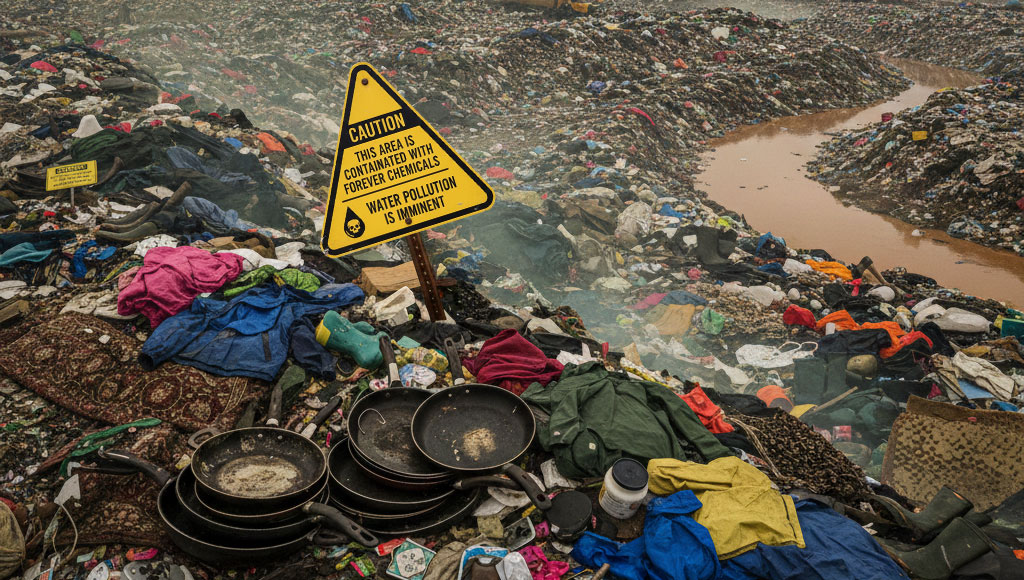
PFAS are present in countless consumer products, including nonstick cookware, stain-resistant carpets, waterproof clothing, food packaging, and cosmetics. When these items are thrown away, PFAS do not disappear.
Science from the EPA shows that rainwater filtering through landfills creates contaminated liquid called leachate. This leachate can seep into surrounding soil or be sent to wastewater treatment plants. Most treatment plants are not designed to remove PFAS, allowing the chemicals to re-enter waterways. Residents in Boyertown and Gilbertsville have been alarmed by the recent news showing high levels of PFAS in a local schools water supply due to landfill contamination.
Wastewater Treatment Limitations
Municipal wastewater treatment plants were built to remove solids, bacteria, and nutrients. They were not designed to remove PFAS. An article from WHYY shows that nearly 19% of water systems tested in Pa contain PFAS levels above new EPA standards.
As a result, PFAS pass through treatment systems largely unchanged. Treated wastewater is discharged into rivers and streams, which may later be used as drinking water sources. This creates a continuous cycle of contamination.
Household Products Washed Down the Drain
Many everyday household products contain PFAS without homeowners realizing it. When treated clothing or textiles are washed, small amounts of PFAS rinse into household plumbing.
Over time, these chemicals accumulate in wastewater systems and contribute to broader environmental contamination. Even careful homeowners cannot fully avoid this pathway due to how widespread PFAS are in modern manufacturing.
Why PFAS Spread So Easily Once They Enter Water
PFAS are highly mobile in water. Unlike some contaminants that bind tightly to soil, many PFAS compounds dissolve easily and move with groundwater flow. This allows contamination to spread far beyond the original source.
Once PFAS reach an aquifer, they can affect:
- Private wells
- Municipal well fields
- Springs and surface water
- Downstream communities
Because PFAS are colorless, odorless, and tasteless, contamination often goes undetected until proper testing is performed.
Is PFAS Only a Public Water Problem?
This is a common misconception. While first popularized when discovered in municipal water supplies, forever chemicals supplies are now frequently showing up in private wells.
PFAS in Public Water Systems
Public water utilities are increasingly required to test for PFAS and report findings in Consumer Confidence Reports. However, testing frequency and treatment capabilities vary widely. Regulations are also evolving, meaning acceptable limits today may change in the future.
Even when PFAS levels fall below current regulatory thresholds, many homeowners choose to further reduce exposure.
PFAS in Private Wells
Private wells are not regulated like public water systems. In most states, including Pennsylvania, routine PFAS testing is not required for private wells.
This means many well owners may be drinking water containing PFAS without knowing it. Wells near military facilities, airports, landfills, or industrial sites may face higher risk. If you’re concerned about your well water, schedule a professional water test to know exactly what’s in your water.
Why Forever Chemicals in Drinking Water Matter
Long-term exposure to PFAS has been linked to potential health concerns studied by the Centers for Disease Control and Prevention and the U.S. Geological Survey.
Research has associated PFAS exposure with:
- Immune system effects
- Thyroid disruption
- Elevated cholesterol
- Pregnancy and developmental concerns
- Certain cancers
The primary concern is cumulative exposure. Because PFAS build up over time, even low concentrations in drinking water can contribute to long-term risk.
How Homeowners Can Find Out If PFAS Are in Their Water
PFAS cannot be detected by taste, smell, or appearance. Testing is the only way to know if they are present.
Homeowners can:
- Review their local Consumer Confidence Report if on public water
- Check for known PFAS contamination sites nearby
- Schedule professional water testing that includes PFAS analysis
Testing is especially important for private well owners, since there is no routine monitoring unless the homeowner initiates it.
Can PFAS Be Removed From Drinking Water?
Yes, but not with basic filters. Proven treatment technologies include:
- Activated carbon filtration
- Reverse osmosis systems
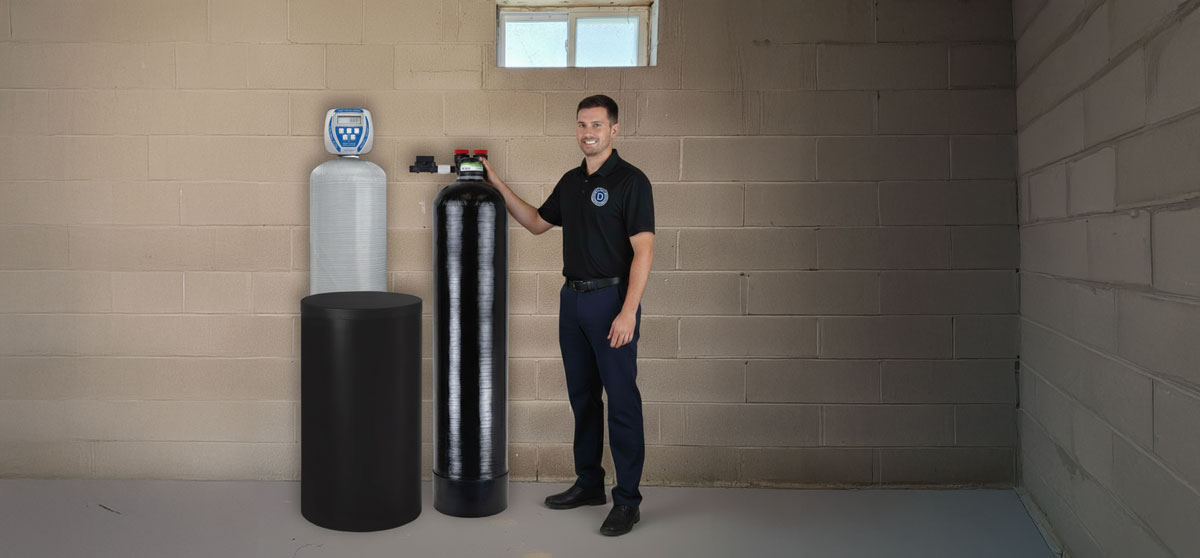
- Whole-home PFAS filtration systems
The correct solution depends on PFAS levels, water chemistry, and whether protection is needed at one faucet or throughout the home.
Why Local Expertise Matters With PFAS
PFAS contamination varies by region. Sources, chemical types, and concentrations are different from one area to the next. Effective treatment depends on understanding local water conditions, not guessing.
Professional testing and system design ensure PFAS is addressed correctly the first time.
Protecting Your Family From Forever Chemicals
Forever chemicals do not come with a warning label. The only way to know what is in your water is through proper testing.
If you want clear answers about PFAS in your drinking water, professional testing is the first step. Our team helps homeowners across Southeastern Pennsylvania identify potential PFAS exposure and design solutions that actually work.
Frequently Asked Questions About PFAS
How common are PFAS in drinking water?
PFAS have been detected in thousands of water systems nationwide. Studies suggest millions of Americans may be exposed through drinking water.
Can boiling water remove PFAS?
No. Boiling water does not remove PFAS and can actually increase concentration as water evaporates.
Do water pitcher filters remove PFAS?
Some pitchers may reduce certain PFAS, but performance varies widely. Most are not designed for long-term or whole-home protection.
Are private wells safer from PFAS?
Not necessarily. Private wells are often more vulnerable because they are not routinely tested.
How often should PFAS testing be done?
Testing is recommended whenever water quality concerns arise, when buying a home, or if contamination sources are nearby.
Next steps:
- Schedule a comprehensive water test to identify PFAS and other contaminants in your water
- Review your local water quality reports and contamination sources in your area
- Consult with a local water treatment specialist about the best filtration solutions for your home
👇 Ready to find out what’s in your water? Please fill out the form below to get started.