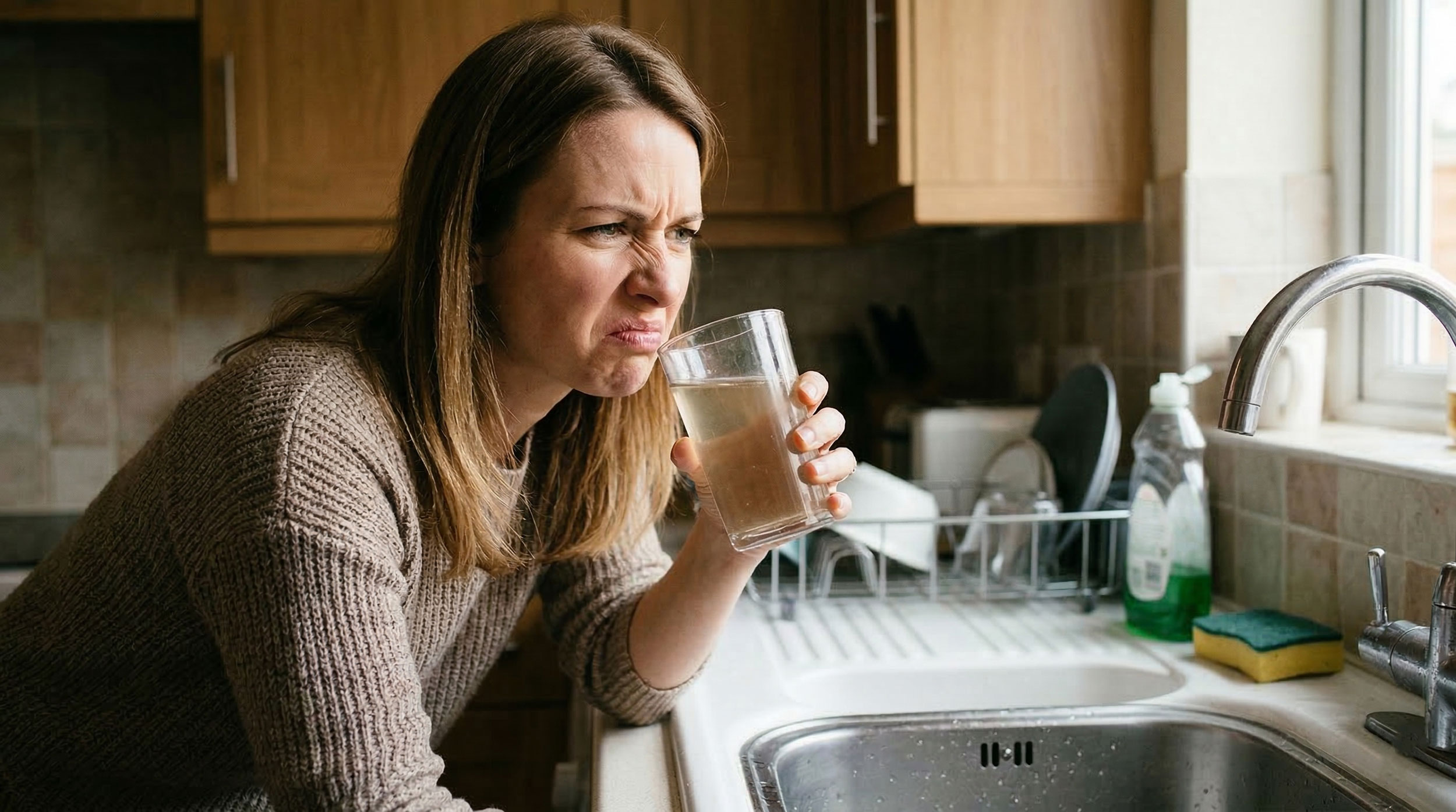
If you live in Boyertown, your drinking water most likely comes from the Borough’s surface water reservoir system. Most homeowners are not just asking if their water is “safe.” They are asking if it is clean, safe to drink, and optimized for their family.
In this guide we’ll answers the most common Boyertown water quality questions using local system data, Pennsylvania DEP resources, EPA drinking water guidance, and our decades of experience.
Boyertown Water Quality
Boyertown public water is regulated and tested under EPA and Pennsylvania DEP standards. The biggest homeowner concerns locally tend to be chlorine taste, disinfection byproducts, PFAS awareness due to landfill investigations, and plumbing related lead risk. Most PFAS investigations in the Boyertown area focus on groundwater and private wells, not the Borough treatment plant. Many homeowners still test or filter water to improve taste, reduce exposure to contaminants, or confirm quality at the tap.
Where Boyertown Drinking Water Comes From
Boyertown Borough drinking water primarily comes from surface water reservoirs, including Trout Run Reservoir and Popodickon Dam. Ironstone Creek serves as an approved backup source when needed. Surface water requires consistent disinfection to keep water safe during distribution, which can sometimes create noticeable taste or odor changes during seasonal shifts.
The 10 Questions Boyertown Homeowners Ask Most
- Is Boyertown Tap Water Safe To Drink?
Boyertown public drinking water must meet federal EPA and Pennsylvania DEP safety standards and is tested regularly. The annual Consumer Confidence Report shows contaminant testing results and confirms compliance with regulatory limits. Many homeowners still choose additional testing or filtration because regulatory standards are designed for safety thresholds and limited by economic feasibility, not taste optimization or long term exposure reduction.
- Why Does Boyertown Water Sometimes Smell Like Chlorine?
Chlorine is added to destroy bacteria and viruses and keep water safe as it moves through distribution pipes. Surface water systems typically require stronger disinfectant residuals than groundwater systems. The smell can be stronger during warmer months or system demand changes. Carbon filtration is the most common way homeowners reduce chlorine taste and odor. If chlorine is a concern in your home, schedule a consultation to explore filtration options.
- What Are TTHMs And HAA5?
TTHMs and HAA5 are disinfection byproducts formed when chlorine reacts with natural organic material in surface water. These are regulated because long term exposure at elevated levels can increase health risks. Many homeowners focus on reducing these compounds even when levels meet regulatory standards.
- Does Boyertown Water Contain PFAS?
PFAS are synthetic chemicals linked to industrial and manufacturing processes. In the Boyertown region, most PFAS investigation has focused on groundwater and private wells near the landfill area. Public water systems are monitored differently, but many homeowners still choose drinking water filtration to reduce potential long term exposure.
- Is The Boyertown Landfill Affecting Drinking Water?
PFAS contamination has been confirmed in groundwater and environmental areas near the landfill. Pennsylvania DEP continues monitoring, testing, and installing treatment systems for impacted private wells. Risk depends heavily on whether your home uses public water or a private well. If you’re concerned about landfill-related contamination, get a professional water test for your specific property.
- Should Boyertown Homeowners Worry About Lead?
Lead exposure typically comes from plumbing materials inside homes or service lines, not treated water leaving the plant. Homes built before the mid 1980s may have higher risk. Running water after stagnation and using certified filtration can significantly reduce lead exposure. Homeowners on private wells with low pH are more susceptible to lead exposure as corrosive water is more likely to strip metals from inside pipes.
- Why Is Sodium Sometimes Mentioned In Water Reports?
Some treatment processes can slightly increase sodium levels in finished drinking water. For most people, sodium in drinking water is not a health concern. Homeowners on sodium restricted diets should review testing results and consult their physician if needed.
- Is Boyertown Water Hard?
Hard water is common throughout Southeastern Pennsylvania due to naturally occurring calcium and magnesium minerals. Hard water can cause scale buildup, spotting on fixtures, and reduced soap performance. Water softeners remove hardness minerals and help protect plumbing and appliances.
- What Type Of Water Filter Works Best In Boyertown?
The best filter depends on your specific water concern. Carbon filtration improves chlorine taste and odor. Reverse osmosis systems reduce PFAS, lead, and dissolved contaminants in drinking water. Whole home filtration depends on overall water quality goals and test results.
- How Do I Read The Boyertown Water Quality Report?
Start by reviewing the water source and treatment description. Then review the detected contaminant table and compare results to EPA regulatory limits. Finally review special notices related to lead, PFAS, or system updates.
Boyertown PFAS And Local Environmental Context
PFAS contamination has received increased attention across Pennsylvania. In Boyertown, landfill related investigations have led to expanded groundwater testing and mitigation programs. These investigations typically focus on groundwater and private well systems, not reservoir based municipal systems. Testing is the only way to know PFAS levels at a specific property.
Public Water vs Private Well Water In Boyertown
Public Water
- Tested and regulated
- Monitored at treatment plant level
- Consistent disinfection
- Many unregulated contaminants
Private Wells
- Not federally regulated
- Quality depends on local geology and environmental conditions
- Requires homeowner testing
When Should Boyertown Homeowners Test Their Water?
Public water homeowners typically test for peace of mind, taste improvement, or health specific concerns. Private well owners should test annually and immediately if located near known contamination zones. Testing provides home specific data rather than system averages.
Simple Boyertown Water Quality Action Plan
If you are on public water:
- Review CCR annually
- Test if you want confirmation at your tap
- Consider filtration for taste, exposure reduction, and to protect plumbing
If you are on a private well:
- Test annually
- Test after major weather events or environmental news
- Test immediately if near contamination zones
Take The Next Step For Your Boyertown Home’s Water Quality
Next steps:
- Schedule a professional water consultation to get answers specific to your home and water source
- Request a water test to identify contaminants, hardness levels, and filtration needs at your tap
- Explore water treatment options — from carbon filters and reverse osmosis to whole-home softeners — matched to your results and goals
👇 Ready to find out what’s really in your Boyertown water? Please fill out the form below to get started.
At Dierolf Plumbing and Water Treatment, we help homeowners understand what is actually in their water and what treatment options make sense for their home, health goals, and budget. The consultation is educational, professional, and focused on helping you make informed decisions with no pressure.
Schedule a professional consultation!
You can also contact our team directly to schedule an in home water evaluation at a time that works for you.