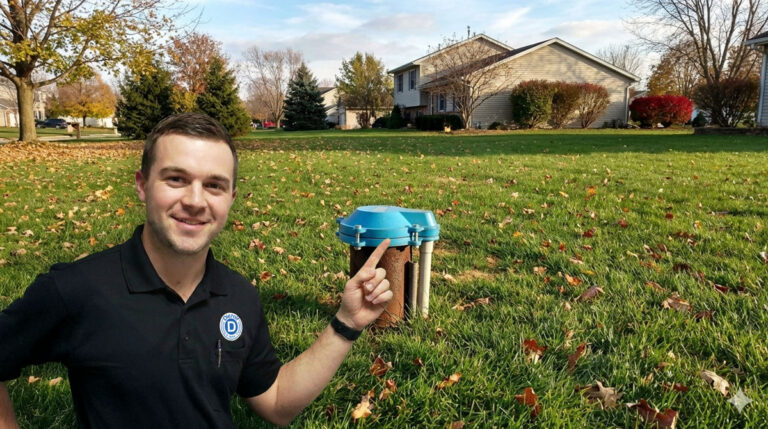

Schwenksville sits along the Perkiomen Creek in a part of Montgomery County where private wells are still very common. The borough and the surrounding Perkiomen Township, Lower Frederick Township, and Skippack Township all have a mix of older homes and newer development — many of them on well water. And this time of year, those wells have been through a season of snowmelt, spring rain, and soil disturbance that puts groundwater at its highest risk of contamination.
May is when you find out what made it through. If you haven’t tested your well recently, this is the time to do it.
Why May Is the Right Time for Schwenksville Well Owners
Well owners in Schwenksville, Graterford, Palm, and the surrounding communities often don’t think about their water quality until something shows up — staining in the sink, an odd taste, or a sulfur smell in the morning. By the time those signs appear, the issue has often been present for months.
The U.S. Environmental Protection Agency recommends annual testing for private well owners. May is the best window because it follows the events that most affect your groundwater. Spring thaw. Heavy rain. Agricultural activity starting up again in the fields around Perkiomen Township and Lower Frederick Township. Testing now gives you a current, accurate picture of what your family is drinking.
What the Perkiomen Watershed Does to Local Groundwater
The Perkiomen Creek watershed runs right through this part of Montgomery County, and it’s one of the more important factors for well water quality here. When snowmelt and spring rain run off fields, roads, and hillsides across Perkiomen Township, Lower Frederick Township, and Skippack Township, that water drains into the creek system — but some of it percolates into the soil first, carrying surface contaminants toward the water table.
Agricultural land between Schwenksville and Frederick is active in spring. That means fertilizer applications and soil disturbance are happening right when the ground is most saturated and most likely to let contaminants through. The combination of wet conditions and spring farming activity makes this the highest-risk period of the year for local private wells.
Contaminants to Watch for in This Part of Montgomery County
Iron and Hardness
Montgomery County’s geology produces naturally hard, iron-rich water in many areas. Orange staining on sinks and laundry, scale buildup on faucets, and shortened water heater life are the most common complaints from well owners in this corridor. Spring runoff can spike iron levels noticeably above their baseline.
Coliform Bacteria
A reliable sign that surface water has reached your well. More common after wet springs and in wells with aging casings or caps. No taste, no smell — only a test detects it.
Nitrates
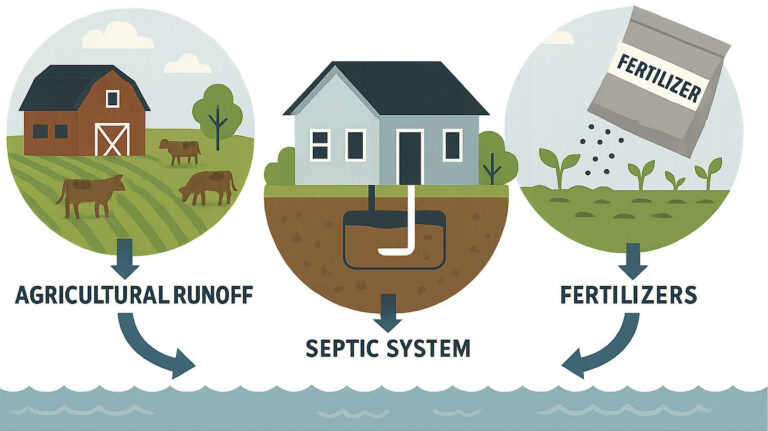
Agricultural land use in Perkiomen and Lower Frederick Township makes nitrates a relevant concern. Fertilizers and animal waste can travel significant distances through saturated spring soil. Elevated nitrates are a serious risk for infants and pregnant women, per the CDC.
PFAS
Per- and polyfluoroalkyl substances have been detected in Montgomery County groundwater. They’re linked to firefighting foam, industrial processes, and everyday consumer products. No taste, no odor, no color — testing is the only way to detect them.
For a broader look at water quality concerns in Montgomery County, our article on unregulated contaminants in Montgomery County water covers some of what’s been showing up locally — and what it means for homeowners on private wells.
What a Professional Water Test Actually Covers
A home test kit detects a limited set of parameters and gives pass/fail readings that aren’t detailed enough to drive good treatment decisions. A professional water testing and analysis service measures total coliform and E. coli, nitrates and nitrites, pH and hardness, iron and manganese, turbidity, VOCs where relevant to your location, and PFAS. You get actual concentrations compared against EPA and Pennsylvania DEP thresholds.
That’s what turns a lab report into a real action plan. You can also read about signs it’s time for a professional water test if you’re not sure where you stand.
Questions About Your Schwenksville Well?
Dierolf’s licensed water specialists know the Perkiomen Valley and the surrounding Montgomery County area. Start with a free in-home water analysis — no pressure, no obligation.
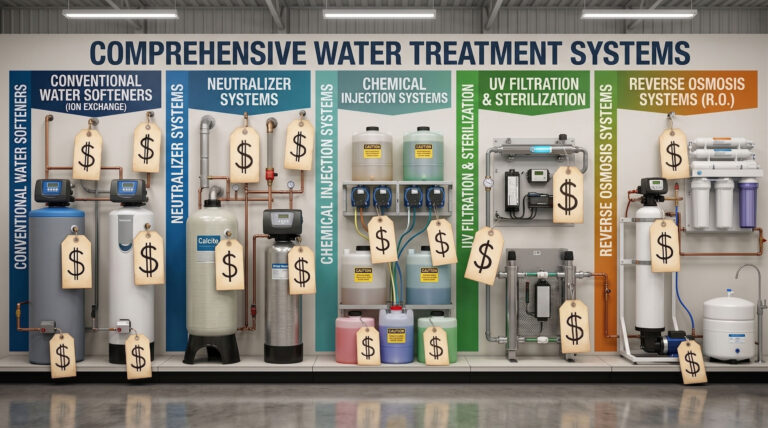
Treatment Options That Match Your Results
Bacteria detected — A UV filtration system neutralizes bacteria and viruses without adding chemicals. Quiet, low-maintenance, and the right first response for most private wells where bacteria is found.
High iron — An iron filtration system removes dissolved and particulate iron before it reaches your fixtures. Protects your plumbing and eliminates staining on laundry and sinks.
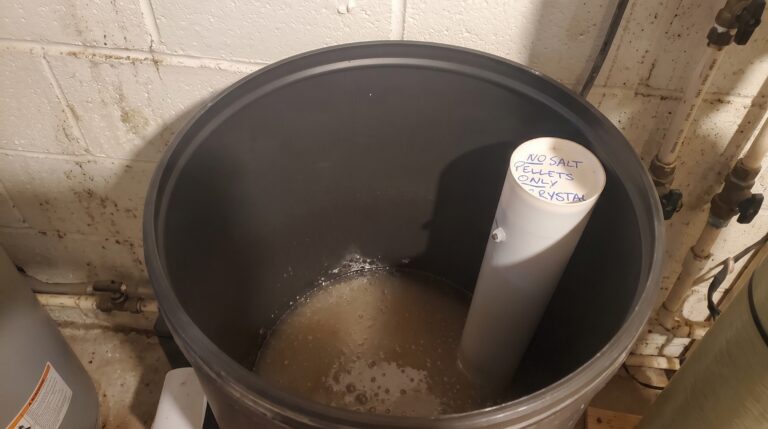
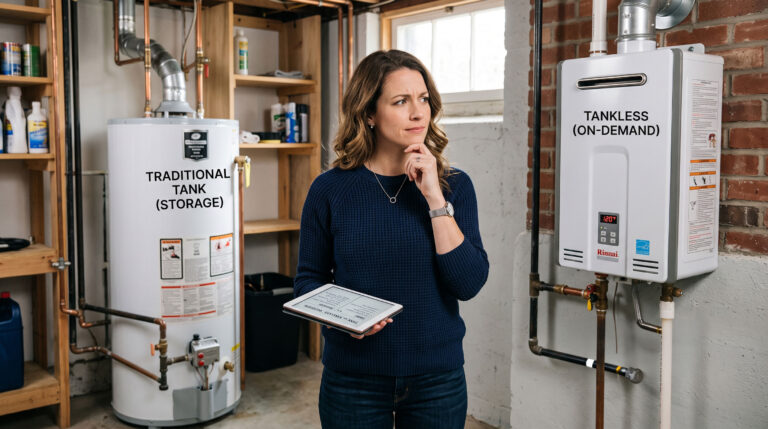
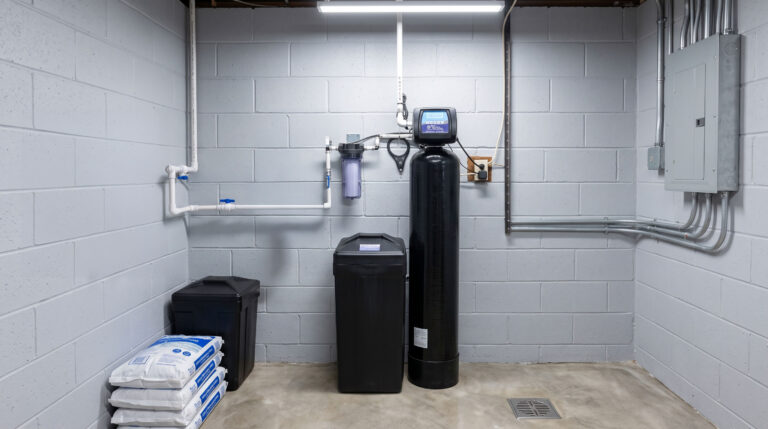
Hard water — A water softener replaces calcium and magnesium through ion exchange. Extends the life of your water heater, dishwasher, and pipes. Learn more about how a water softener protects your water heater.
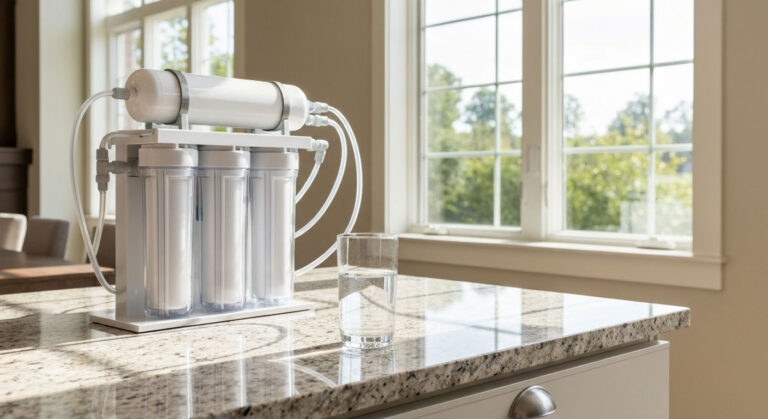
PFAS, nitrates, or chemical contaminants — A reverse osmosis system at the kitchen tap removes PFAS, nitrates, and heavy metals through a semi-permeable membrane. One of the most effective options for chemical contamination in drinking water.
Sulfur or rotten-egg smell — A sulfur filtration system addresses hydrogen sulfide at the source, which is more common in this area than most homeowners realize.
We regularly run promotions on water testing and treatment system installations. Check our current offers before you schedule.
See Current Water Treatment Specials
How Dierolf Serves the Schwenksville Area
Dierolf Plumbing and Water Treatment is headquartered in Gilbertsville — just a few miles from Schwenksville — and serves homeowners throughout the Perkiomen Valley and surrounding Montgomery County communities. That includes Schwenksville, Graterford, Palm, Perkiomen Township, Lower Frederick Township, Skippack, and the broader area.
We’re local. We know the groundwater characteristics in this area, the farming landscape around it, and the older housing stock that’s common along the Perkiomen corridor. Our licensed master plumbers handle everything from the initial water test through installation of the right treatment system for your specific results.
With summer approaching, now is the time to know what’s in your well. If something is off, treating it before the high-use months costs less and protects your family sooner.
💧 Know what’s in your Schwenksville well before summer — free, no obligation.
Get Your Free Well Water Analysis in Schwenksville
Fill out the form below and a Dierolf water specialist will reach out to schedule your in-home consultation. We’ll test your water, review the results with you, and recommend only what your well actually needs.
Schedule Your Free In-Home Water Analysis
Serving Schwenksville, Graterford, Palm, Perkiomen Township, Lower Frederick Township, Skippack, and throughout the Perkiomen Valley.
Frequently Asked Questions
How often should I test my well in Schwenksville?
The EPA recommends at least once a year. May is the best time because it follows the seasonal events — spring thaw, heavy rain, agricultural runoff — that most affect groundwater quality in the Perkiomen Valley. Schedule a free analysis here.
Does living near the Perkiomen Creek affect my well water?
Proximity to a waterway can affect groundwater, particularly during high-flow spring conditions. Surface water carries contaminants that can infiltrate shallow wells. It’s one more reason spring testing is especially valuable in this part of Montgomery County.
My water has orange staining. What should I do?
Orange or rust-colored staining on fixtures, laundry, and toilet tanks almost always means iron in your well water. An iron filtration system addresses it at the source. A professional test will confirm the level and help determine the right system size for your well. Schedule your test here.
What happens if my results come back with a problem?
Don’t panic. Most contaminants found in private wells throughout the Perkiomen Valley area have straightforward treatment solutions. A Dierolf specialist will review your results and walk you through the options — what addresses your specific issue, what it involves, and what it costs. Most problems are very treatable. Get started with a free consultation.
Dierolf is based in Gilbertsville — do they serve Schwenksville?
Yes. Dierolf is headquartered in Gilbertsville, just a few miles away, and serves the entire Perkiomen Valley including Schwenksville, Graterford, Palm, Perkiomen Township, Lower Frederick Township, and Skippack. We’re a local company and know this area well.