PFAS, often called “forever chemicals,” are a group of human-made substances that do not break down easily in the environment or the human body. These chemicals have been used since the 1940s because they repel heat, water, oil, and stains. Their durability, however, has made them a growing concern in drinking water and public health across the country.
Communities throughout Southeastern Pennsylvania have become increasingly aware of PFAS due to their detection in groundwater, private wells, landfills, industrial areas, and wastewater systems. As a company deeply connected to this region, Dierolf Plumbing and Water Treatment created this guide to help local homeowners understand what PFAS are, why they matter, and how to reduce exposure in everyday life.
This article brings together insights from Yale University scientists, Brown Health experts, the Environmental Protection Agency, regional PFAS studies, and a clear educational explainer widely viewed on YouTube.
What Are PFAS Chemicals
PFAS stands for per- and polyfluoroalkyl substances. They are used in thousands of modern products, including:
- Nonstick cookware
- Water- and stain-resistant clothing
- Fast-food wrappers, takeout containers, and microwave popcorn bags
- Carpets, rugs, and upholstered furniture
- Cleaning products
- Industrial and automotive coatings
- Firefighting foam used at airports and military facilities
These chemicals were designed for durability, which also means they remain in soil, air, water, and the human body for long periods.
Why PFAS Are a Health Concern
Research from the National Institutes of Health, EPA, and leading universities has linked PFAS exposure to:
- Immune system changes
- Thyroid and hormone disruption
- Increased cholesterol
- Certain cancers
- Pregnancy complications
- Developmental concerns in infants and children
- Reduced vaccine response
While research continues into long-term health effects, public health experts consistently recommend reducing exposure where possible.
How Experts Explain PFAS in Plain Language
A popular video titled “Forever Chemicals PFAS, PFOA, PFOS, BPA, Explained Clearly” breaks down PFAS in simple terms. Key points include:
- PFAS are not one chemical but a large family of thousands.
- They are called “forever chemicals” because the carbon-fluorine bond is one of the strongest in chemistry and resists natural breakdown.
- PFAS remain in groundwater, soil, wildlife, and human blood for decades.
- Even after being phased out in some products, PFAS persist in the environment and continue cycling through water systems.
- These chemicals spread far beyond their original use areas, which is why they appear in groundwater across the United States.
This explanation helps homeowners understand why PFAS concerns do not fade quickly and why ongoing testing and monitoring are essential.
How PFAS Enter Drinking Water and Private Wells
PFAS can reach groundwater and drinking water through:
- Landfill leachate and disposal sites
- Industrial wastewater
- Firefighting foam used in training and emergency response
- Runoff from manufacturing areas
- Consumer products washed down household drains
- Wastewater treatment plants not designed to remove PFAS
Because PFAS migrate easily through soil and aquifers, wells located far from the original contamination source can still be affected.
Why PFAS Matter for Residents in Southeastern Pennsylvania
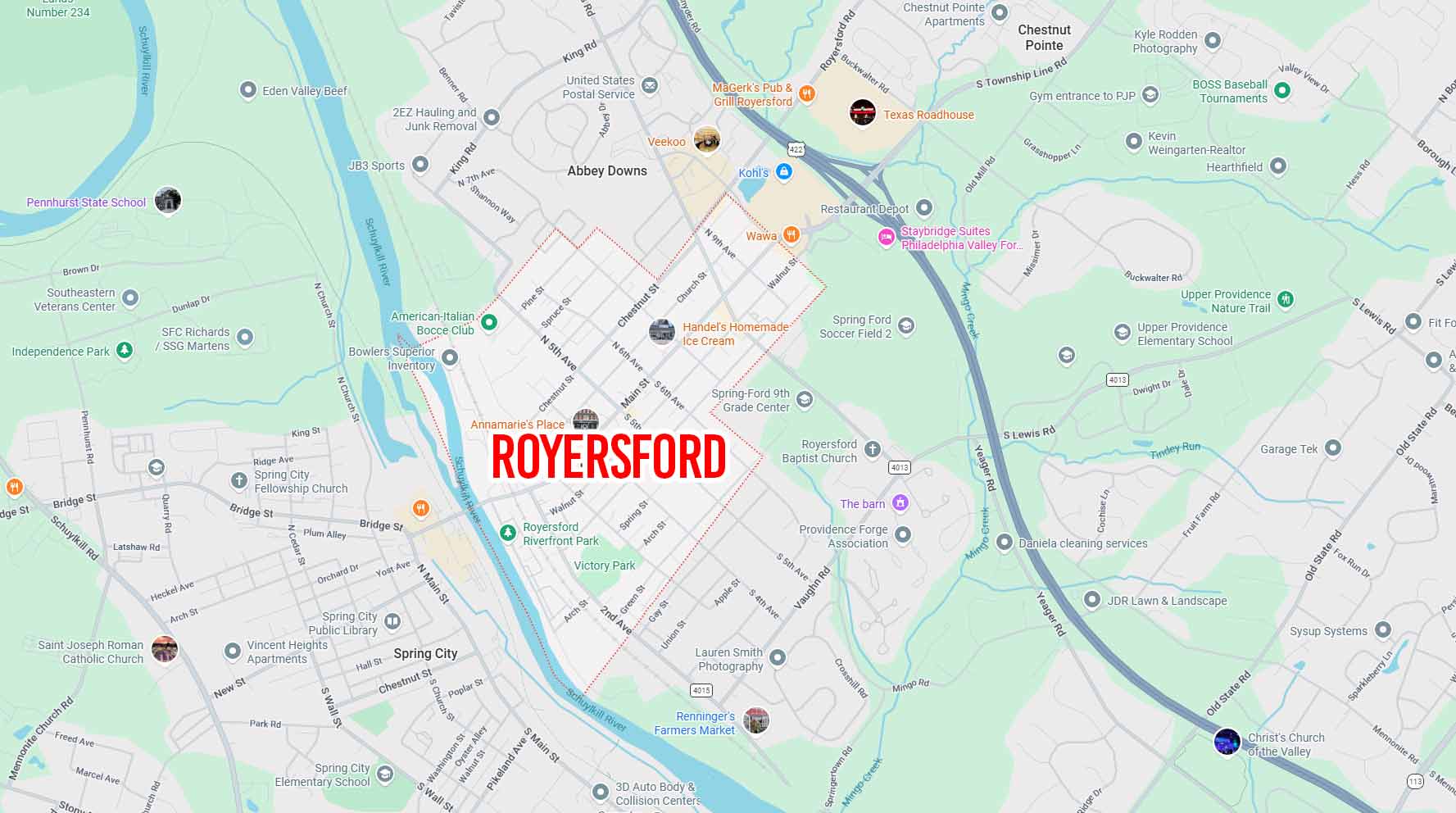
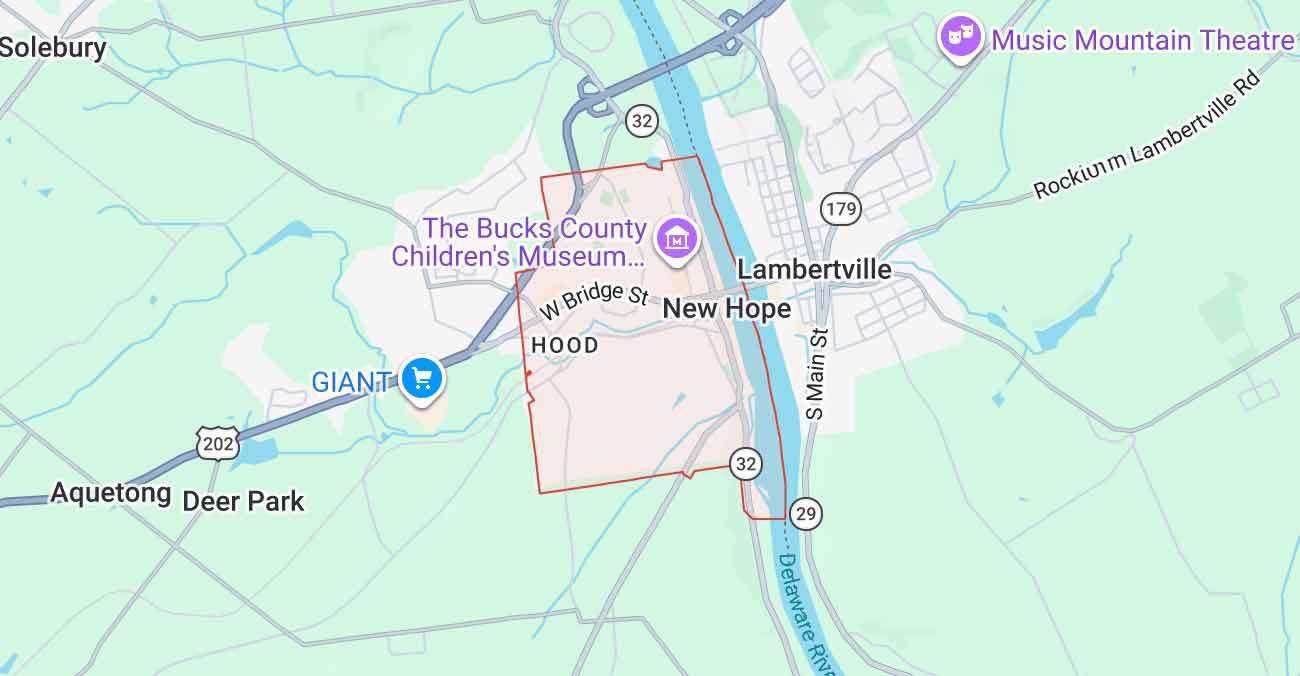
PFAS exposure is a particularly significant concern in our region. A major multiyear PFAS health study found that residents of Bucks and Montgomery Counties had detectable PFAS in their blood at levels above the national average, including both adults and children.
The study revealed:
- Almost every participant had at least one PFAS compound in their bloodstream.
- Several Southeastern PA neighborhoods ranked among the highest concentration groups in the national study.
- Many affected residents rely on private wells or live near known PFAS detection sites.
- Researchers recommended follow-up medical monitoring for certain exposure levels.
This local data reinforces several important points:
- PFAS exposure is happening right here, not just near industrial sites.
- Private wells are not regulated, making homeowner testing crucial.
- PFAS levels vary significantly due to groundwater movement patterns.
- Understanding PFAS is essential for long-term protection of household water quality.
Communities across Montgomery, Bucks, Berks, and Chester Counties benefit from increased awareness, testing, and proactive treatment when needed.
Practical Ways to Reduce PFAS Exposure
Brown Health and multiple public health agencies recommend several steps homeowners can take.
1. Reduce PFAS in Your Drinking Water
- Test your well water regularly.
- Install effective treatment systems such as:
- Replace filters on schedule for continued performance.
2. Choose Safer Food and Packaging Options
- Limit fast-food wrappers and microwave popcorn bags.
- Choose fresh foods over heavily packaged items.
- Store leftovers in glass or stainless steel instead of PFAS-coated plastics.
3. Avoid or Limit PFAS-Treated Household Products
Common PFAS-treated items include:
- Waterproof jackets
- Stain-resistant carpets and upholstery
- “Wrinkle-free” or “no-iron” clothing
- Certain cosmetics
Look for PFAS-free labels when possible.
4. Use Safer Cookware
Consider:
- Cast iron
- Stainless steel
- Ceramic
Avoid scratched nonstick pans to reduce potential chemical release.
Water Is the Most Direct Exposure Path for Many Homeowners
PFAS enter the body through several pathways — water, food, dust, and consumer products, but drinking water is one of the most direct and significant exposure routes, especially in households that rely on private wells.
Regular water testing and the proper use of certified treatment systems are key steps in minimizing long-term exposure.
Why Local Expertise Matters
Southeastern Pennsylvania has unique groundwater flow patterns, aquifer characteristics, and well construction practices. Not all PFAS behave the same way, and understanding how they move locally is crucial for accurate testing, interpretation, and treatment.
Dierolf Plumbing and Water Treatment has extensive experience working specifically with well systems and water chemistry in Southeastern Pennsylvania. Our team helps homeowners understand test results, select appropriate filtration systems, and maintain long-term water safety with confidence.
Frequently Asked Questions About PFAS in Southeastern Pennsylvania
1. How do I know if my private well in Southeastern Pennsylvania contains PFAS?
The only way to know is through certified laboratory testing. PFAS have no taste, smell, or color. Homeowners in Bucks, Montgomery, Berks, and Chester Counties should consider testing due to regional PFAS findings and DEP monitoring.
2. What PFAS levels are considered unsafe in drinking water?
In 2024, the EPA established strict national standards for several PFAS compounds, including PFOA and PFOS. Pennsylvania also enforces its own Maximum Contaminant Levels. If PFAS exceed these limits, treatment is recommended. However, in man cases, it will be years before required compliance and enforcement take place.
3. What is the most effective way to remove PFAS from my drinking water?
The most effective treatment methods are Granular Activated Carbon (GAC) and Reverse Osmosis (RO). These technologies reduce PFAS when installed and maintained correctly.
4. Can PFAS exposure come from sources other than drinking water?
Yes. PFAS exposure can occur through food packaging, nonstick cookware, stain-resistant fabrics, cosmetics, and indoor dust. Water remains one of the most direct pathways, but overall exposure often comes from multiple sources.
5. Why are PFAS levels higher in some Southeastern Pennsylvania communities?
Local PFAS levels depend on groundwater movement, historical land use, industrial activity, and nearby contamination sources. A national study found elevated PFAS levels in the blood of residents from parts of Bucks and Montgomery Counties, reflecting long-term regional exposure patterns.
Conclusion
PFAS are a complex, persistent group of chemicals that have become a focus of national scientific research and public health guidelines. What is clear today is that PFAS remain in the environment for long periods, can enter the human body through drinking water and everyday products, and are present at measurable levels throughout Southeastern Pennsylvania.
The most effective steps homeowners can take are:
- Test their water
- Understand their results
- Use proven treatment methods when needed
With accurate information and trusted local guidance, families can protect their water and reduce PFAS exposure for years to come.