The EPA just made one of its clearest public moves yet on microplastics and pharmaceuticals in drinking water, and that is why this story is getting so much attention right now. On April 2, 2026, the agency published its draft Sixth Contaminant Candidate List, or CCL 6, and for the first time included microplastics and pharmaceuticals as contaminant groups on that draft list. EPA says the CCL is for contaminants that are not already subject to national primary drinking water regulations but may require future regulation under the Safe Drinking Water Act.
For homeowners, that distinction matters.
This was not a new nationwide drinking water rule. It was not a new enforceable limit for microplastics in tap water. It was not a declaration that every household suddenly has a dangerous contamination problem. What it was, though, was an important signal. The EPA is publicly acknowledging that these contaminants deserve closer attention and may become part of future federal regulatory action.
That is a meaningful development, especially for homeowners who already feel like the drinking water conversation keeps shifting. One year it is PFAS. Another year it is disinfection byproducts. Now it is microplastics and pharmaceuticals. For many families, especially those trying to make smart decisions about their home, the real question is simple: What does this actually mean for my water right now?
The best answer is this: take it seriously, but do not panic. This EPA move tells us where the broader water-quality conversation is heading. It gives homeowners another reason to ask better questions, understand their water more clearly, and stop assuming that “not regulated yet” automatically means “not worth paying attention to.”
For homeowners here in Southeastern Pennsylvania, that matters even more. This is an area where many people are already thinking about drinking water quality, whether they are on public water, private wells, or simply trying to improve confidence in the water coming into their home.
What exactly did the EPA announce?
The Contaminant Candidate List, or CCL, is part of the EPA’s process for identifying contaminants that may need future regulation. According to EPA, the draft CCL 6 includes 75 chemicals, 4 chemical groups, and 9 microbial contaminants that are known or anticipated to occur in public water systems. Those four groups are microplastics, pharmaceuticals, PFAS, and disinfection byproducts. EPA also opened the draft for public comment through June 1, 2026.
That is important because it shows the agency is no longer treating microplastics and pharmaceuticals like side issues. They are now part of the formal federal screening and prioritization process for possible future drinking water regulations. Reuters and The Associated Press both described the action as an early but significant step, not an immediate final rule.
The pharmaceuticals piece deserves special attention. EPA also says it released 374 human health benchmarks for pharmaceuticals in April 2026. Those benchmarks include one value for the general population and one for infants, which gives water professionals additional tools to interpret detections and assess potential concern.
That part of the announcement matters because it shows this was not just a symbolic headline. EPA paired the contaminant-list update with additional benchmark information that can help water systems, regulators, and public-health professionals make more consistent sense of pharmaceuticals found in water.
Why are microplastics and pharmaceuticals getting more attention?
These contaminants are not new. The attention is.
The World Health Organization says microplastics have been detected in the water cycle, including tap water, bottled water, and source waters, while also noting that occurrence data in drinking water are still limited and that better methods are needed. That balance is important. Microplastics are real, but the science around measurement, exposure, and risk in drinking water is still evolving.
That is one reason the EPA action stands out. It reflects both growing concern and the reality that regulators still need clearer data and a more mature framework for evaluation. In other words, this is not a sign that the issue is settled. It is a sign that the issue is important enough to warrant more structured federal attention.
Pharmaceuticals enter water differently. USGS explains that pharmaceuticals can get into water through human excretion and by drugs being flushed down the toilet, and that these compounds can pass through water treatment processes. EPA’s recent announcement similarly notes that pharmaceuticals such as hormones, antidepressants, and antibiotics can enter water systems through human waste and improper disposal.
For homeowners, that makes pharmaceuticals a different kind of concern from hard water, iron, or chlorine taste. They are part of the broader category of emerging contaminants, substances that can raise real questions even before a single nationwide standard exists. If you want to understand what emerging contaminants may be relevant to your home, schedule a professional water consultation with a local specialist.
What this does and does not mean for your water at home
This is where most of the confusion happens.
Here is what the EPA announcement does mean: federal regulators are formally identifying microplastics and pharmaceuticals as contaminants that may require future regulation. It means these substances are moving higher up the priority ladder. It means homeowners are likely to hear more about them from researchers, utilities, environmental groups, and water professionals.
Here is what it does not mean: there is not now a national enforceable drinking water limit for microplastics just because this announcement was made. There is not now a finished nationwide rule for pharmaceuticals in drinking water. And it does not mean every local water supplier suddenly failed a legal standard. EPA’s own CCL language makes clear that the contaminants on the draft list are those not already covered by existing national primary drinking water regulations.
That distinction is worth slowing down for.
A lot of homeowners understandably assume that if the EPA is talking about something, a new rule must already be in place. But the CCL is not the end of the process. It is part of the process. AP’s coverage emphasized that this move could eventually lead to future regulation, which is very different from saying a nationwide limit is already in effect.
The practical takeaway is this: the EPA is telling the country these contaminants deserve closer attention. That is important. But it is not the same as telling you exactly what is in your tap water or what one treatment step is automatically right for every household.
Why many homeowners act before regulations catch up
One of the biggest mistakes people make in water quality decisions is assuming that the only things worth caring about are the things that already have a finished regulation attached to them.
Real life is messier than that.
The EPA’s own CCL process exists because regulators know there are contaminants that may matter before a final national standard has been adopted. That is the whole reason this list exists.
Homeowners make decisions for all kinds of practical reasons. Some have young children at home. Some are on private wells and know they have more direct responsibility for understanding their water. Some are already concerned about PFAS, chlorine byproducts, or general drinking water quality. Others simply do not want to wait years for every federal question to be fully settled before they learn more about their options.
That is especially true in Southeastern Pennsylvania, where homeowners are often already more tuned in to water issues than the average household. In this region, the water conversation is not abstract. People are used to hearing about contaminants, treatment options, local water differences, and the gap between what is technically legal and what feels comfortable bringing into their home every day.
That does not mean fear should drive decisions. It means better information should. If you are ready to get informed about your home’s specific water quality, get a free water test from a local expert.
What can homeowners do right now?
The smartest next steps are practical, not dramatic.
First, understand where your water comes from. If you are on public water, review your local Consumer Confidence Report and pay attention to the contaminants already monitored in your area. If you are on a private well, remember that the EPA’s CCL process is focused on public water systems, not direct household oversight of private wells.
Second, ask better questions. Instead of only asking, “Is my water safe?” ask:
- What issues are already known in my area?
- Which concerns are regulated and which are still emerging?
- Am I trying to improve taste, odor, overall confidence, or drinking-water quality specifically?
- What kind of guidance actually applies to my water source?
Third, think in terms of a whole-water strategy. The draft CCL 6 is a good reminder that water quality is bigger than one headline topic. EPA’s draft list includes microplastics and pharmaceuticals, but it also includes PFAS, disinfection byproducts, dozens of chemicals, and microbial contaminants.
That is one reason homeowners benefit from looking at the full picture instead of chasing one new buzzword at a time. For some homes, the biggest concern may still be chlorine taste, hard water, or nuisance contaminants. For others, the goal may be cleaner drinking water at the tap and more confidence in what the family is consuming day after day.
If emerging contaminants are part of what is making you think more carefully about your home’s water, it helps to look at the broader treatment picture rather than viewing everything through the lens of one headline. Getting honest answers to what is in your water and how to address it starts with a professional water test from a qualified expert.
Fourth, be careful with oversimplified claims. WHO says data on the occurrence of microplastics in drinking water are still limited, with relatively few fully reliable studies using consistent methods. That does not mean the issue should be ignored. It means homeowners should be cautious about anyone pretending there is a simple, universal answer to a still-evolving topic.
A smarter way to think about cleaner water
This EPA announcement is helpful because it reminds homeowners that “cleaner water” is not a one-word conversation.
It is not just about hardness.
It is not just about bacteria.
It is not just about PFAS.
And now, clearly, it is not just about contaminants that already have a finished federal standard attached to them.
A smarter approach is to look at the whole picture. What is your water source? What concerns are already known? What matters most to your household? What kind of improvement are you actually looking for?
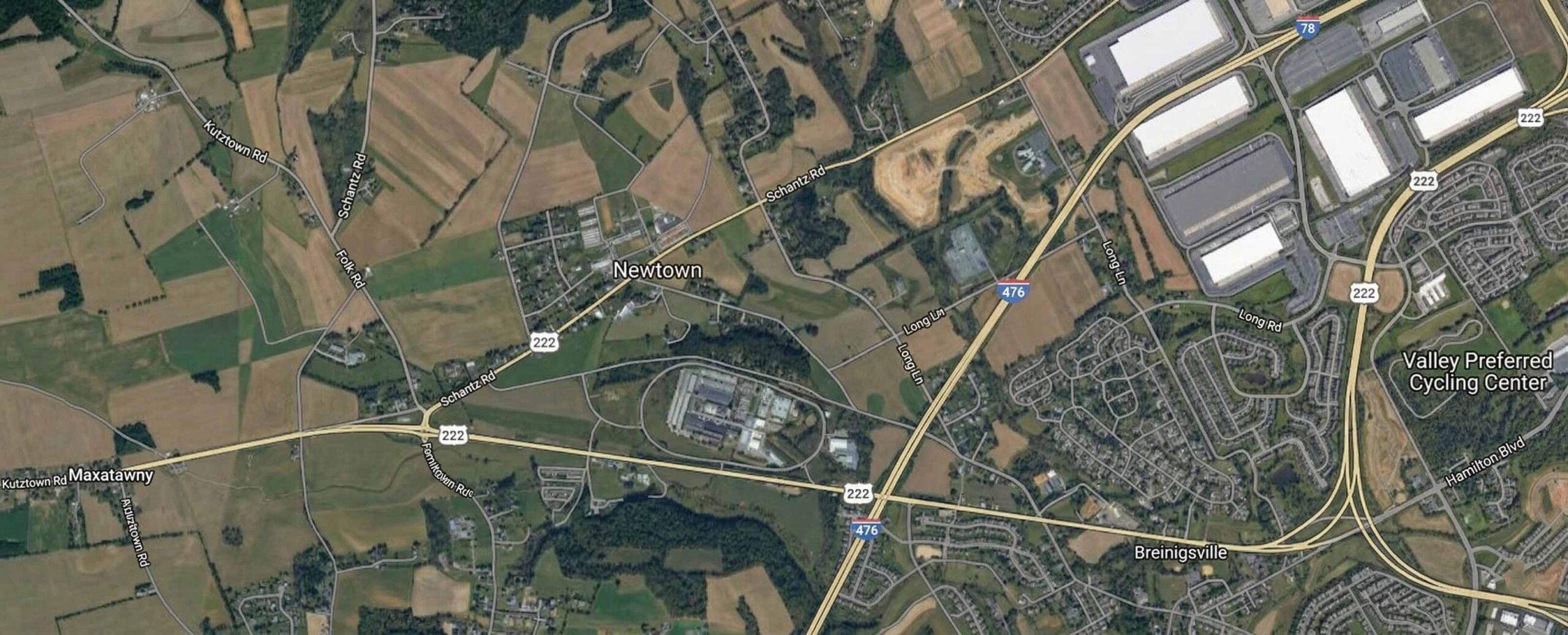
For some homeowners in Bucks, Montgomery, Chester, Berks, Delaware, and Lehigh counties, the right next step may be understanding local water conditions better. For others, it may be comparing filtration and treatment options, reviewing the results of a previous water test, or simply deciding whether it is time to get more informed about the water they use every day.
That broader mindset helps people avoid two common mistakes: dismissing a concern because it is not fully regulated yet, or overreacting to a headline without understanding what the policy change actually means. The EPA’s move on microplastics and pharmaceuticals matters precisely because it sits between those two extremes.
Final thoughts
The EPA’s new action on microplastics and pharmaceuticals is significant because it shows where the drinking water conversation is heading. It signals that these contaminants are now firmly part of the national discussion around future drinking water regulation, monitoring, and public-health evaluation. But it is still a discussion-stage development, not a finished national rule.
For homeowners, the right response is not panic. It is awareness.
Understand your water source. Review the information already available. Ask better questions. Think beyond headlines. And if you want help making sense of your home’s water, work with someone who can help you look at the full picture, not just the latest news cycle.
National headlines can raise important questions, but the next step is still local.
Next steps:
- Review your local Consumer Confidence Report to see what contaminants are already being monitored in your area.
- Schedule a professional water test to get a clear, accurate picture of what is actually in your home’s water — not just what the latest headlines say.
- Talk with a local water treatment specialist who understands the specific water quality conditions in Bucks, Montgomery, Chester, Berks, Delaware, and Lehigh counties.
👇 Ready to get clearer answers about your home’s water quality? Please fill out the form below to get started.