
Villanova is one of the more affluent communities on the Main Line, and the homes here are often large, well-maintained, and sit on significant parcels of land. Some of those homes — particularly older estates and properties on the edges of Radnor Township — are on private wells rather than public water. If yours is one of them, May is a critical time to pay attention.
Spring runoff across Radnor Township and the surrounding Lower Merion and Tredyffrin areas has pushed seasonal contaminants toward the water table. Even in a well-established neighborhood, your well’s condition this month tells you something that last year’s test — or the one at closing — can’t.
Why May Is the Right Time for Villanova Well Owners
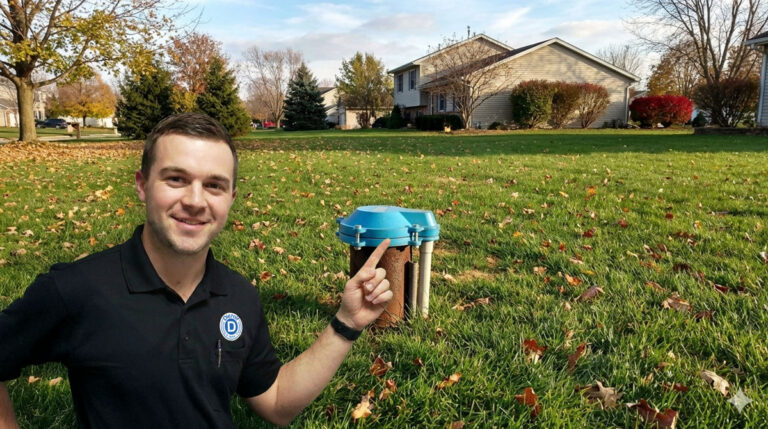
Private wells on the Main Line tend to be older — many in Villanova, Wayne, Bryn Mawr, and Rosemont date back decades, if not longer. Age brings character to a neighborhood, but it also brings questions about well casing integrity, seal quality, and what the water has picked up over time.
The EPA recommends annual testing for private well owners. May is the ideal window because it follows the months when groundwater is most vulnerable — heavy spring rains, snowmelt from wooded hillsides, and soil saturation all create conditions that push surface contaminants downward. A test in May captures that effect in real time.
What Spring Runoff Does to Radnor Township Groundwater
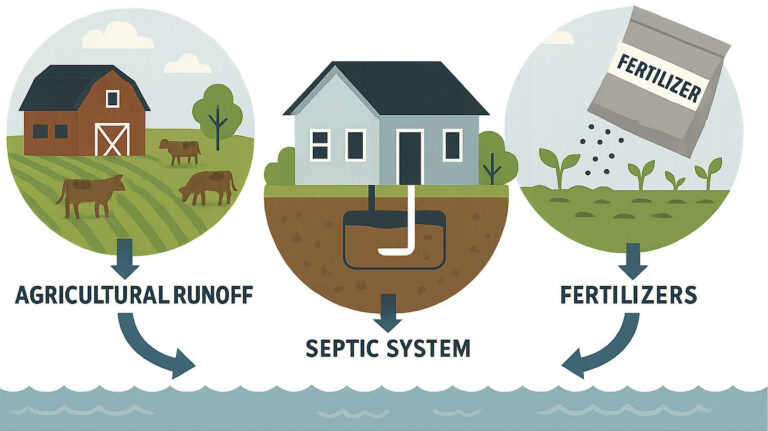
The Main Line gets real winter weather, and with it comes real snowmelt in spring. When that melt runs across the mature lawns, wooded buffers, and paved surfaces of Radnor Township, it picks up whatever has accumulated — fertilizers, road salt, landscape chemicals, and surface bacteria. That water percolates into the ground, and some of it reaches the water table.
Well-maintained neighborhoods are not immune to this. Lawn chemical use is often higher in affluent communities — and some of those chemicals, particularly nitrates from fertilizers, can travel significant distances through saturated spring soil before reaching groundwater.
Contaminants Worth Testing for in the Villanova Area
Hardness and Mineral Content
Delaware County and Montgomery County geology produces naturally hard water. Scale buildup, shortened appliance and water heater life, and the gradual impact on plumbing are the most common consequences. Spring is when levels can shift.
Coliform Bacteria
A sign that surface water has entered your well. More common after heavy spring rain and in wells with aging casings or caps. Has no taste, no odor, and no color. A test is the only way to detect it.
Nitrates from Lawn Care
High landscaping activity in residential communities like Villanova and Wayne means lawn fertilizers are a real nitrate pathway. Elevated levels are a serious concern for infants and pregnant women, per the CDC.
PFAS
Detected in groundwater throughout Pennsylvania, including areas of Delaware and Montgomery County. No taste, no odor, no color. Linked to firefighting foam and many industrial products used historically across the region.
Older Estates, Aging Wells, and Additional Risks
Some of the homes in Villanova and the surrounding Main Line communities are genuinely historic. That’s part of the appeal. But older homes often have older wells — and older wells have more ways for things to go wrong. Well seals degrade. Casings corrode. Surface water finds paths it wouldn’t in a newer installation.
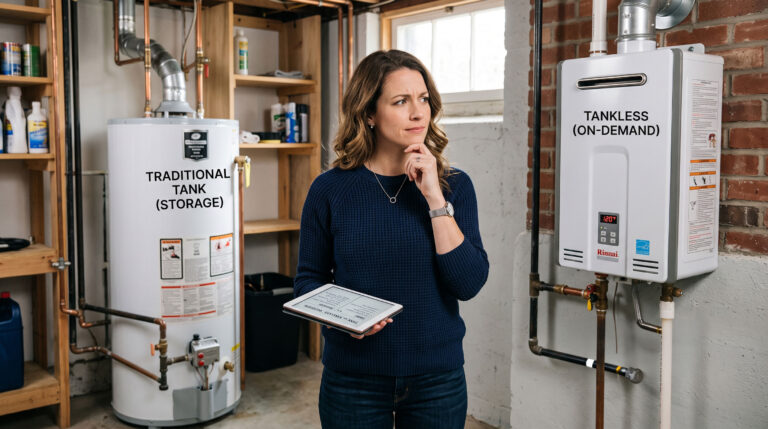
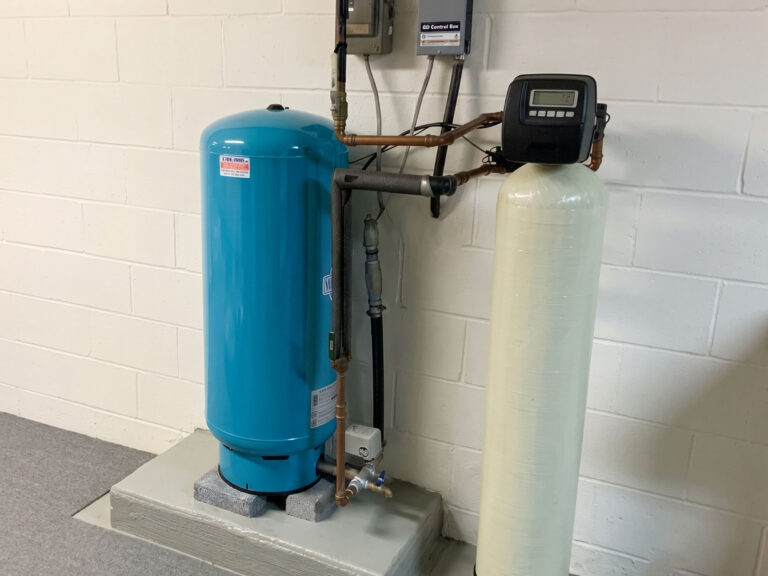
If your home was built before the 1970s and has never had a well inspection alongside a water test, that’s worth adding to the conversation. Our well system services include inspection and evaluation alongside testing. You can also read more about why older homes benefit from water treatment to understand the full picture.
What a Professional Water Test Actually Covers
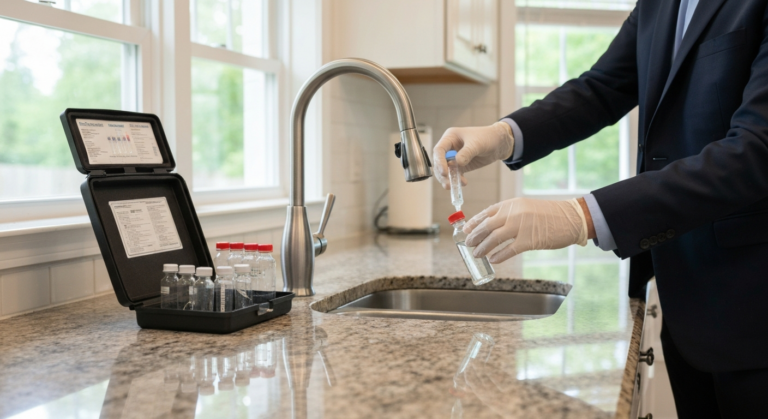
A home test kit is a starting point, not a complete answer. A professional water testing and analysis service measures total coliform and E. coli, nitrates and nitrites, pH, hardness, iron and manganese, turbidity, VOCs if relevant, and PFAS where the location warrants it. The results include actual contaminant concentrations and compare them against EPA and Pennsylvania DEP safe thresholds.
That context turns raw data into an actual decision about your family’s water. You can read more about what happens during a free water test before you schedule.
Serving Villanova, Wayne, Bryn Mawr, and the Main Line
Dierolf’s licensed water specialists understand the local geology and the older housing stock on the Main Line. Start with a free in-home water analysis.
Treatment Options That Match Your Results
Bacteria detected — A UV filtration system neutralizes bacteria and viruses without chemicals. Effective, low-maintenance, and the right first response to bacteria in a private well.
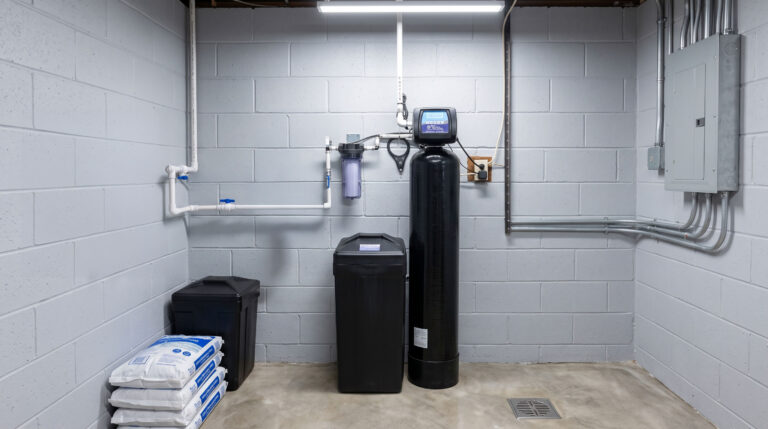
Hard water — A water softener protects your plumbing, water heater, and appliances. Especially valuable in an older home with copper or aging pipes.
PFAS, nitrates, or chemical contaminants — A reverse osmosis system at the kitchen tap removes PFAS, nitrates, and heavy metals through a semi-permeable membrane. Widely considered the most effective point-of-use option for these contaminants.
Iron — An iron filtration system removes dissolved and particulate iron before it stains fixtures or damages appliances.
We regularly run promotions on water testing and treatment system installations. Check our current offers before you schedule.
See Current Water Treatment Specials
How Dierolf Serves the Main Line Area
Dierolf Plumbing and Water Treatment serves homeowners throughout Delaware County and Montgomery County, including Villanova, Wayne, Bryn Mawr, Rosemont, and the broader Radnor Township area. Our licensed master plumbers handle everything from the initial water test through installation of the right treatment system for your specific results.
With summer approaching, this is the right time to know what’s actually in your well. If a problem exists, treating it now is far easier than dealing with the consequences later. And if your results come back clean, you’ll have real peace of mind going into the season.
💧 Know what’s in your Villanova well before summer — free, no obligation.
Get Your Free Well Water Analysis in Villanova
Fill out the form below and a Dierolf water specialist will reach out to schedule your in-home consultation. We’ll test your water, review the results with you, and recommend only what your well actually needs.
Schedule Your Free In-Home Water Analysis
Serving Villanova, Wayne, Bryn Mawr, Rosemont, and throughout Radnor Township and the Main Line.
Frequently Asked Questions
Is well water testing really necessary in an established neighborhood like Villanova?
Yes. Groundwater doesn’t respect property values or neighborhood character. Seasonal contamination, aging wells, and nearby land use all affect what ends up in your well regardless of the neighborhood. Annual testing is how you stay ahead of problems. Schedule a free analysis here.
How does lawn care contribute to water quality issues?
Fertilizers applied to lawns contain nitrates and other compounds that can leach through soil into groundwater — especially in spring when the ground is saturated. Higher lawn maintenance activity in communities like Villanova can increase this risk. The CDC notes that elevated nitrates are a serious concern for infants and pregnant women.
My house is historic and the well is old. What should I check first?
Start with a professional water test to get a current picture of your water quality. Then consider a well inspection to evaluate the physical condition of the casing and seal. Older wells are more susceptible to surface contamination entering from the top, especially after a wet spring. Schedule a free consultation here.
My water looks and tastes fine. Is testing still worth it?
Absolutely. Many contaminants — bacteria, nitrates, PFAS — have no taste, odor, or visible signs at concentrations that still affect health. Clear, good-tasting water is not the same as safe water. Testing is the only way to know for certain.